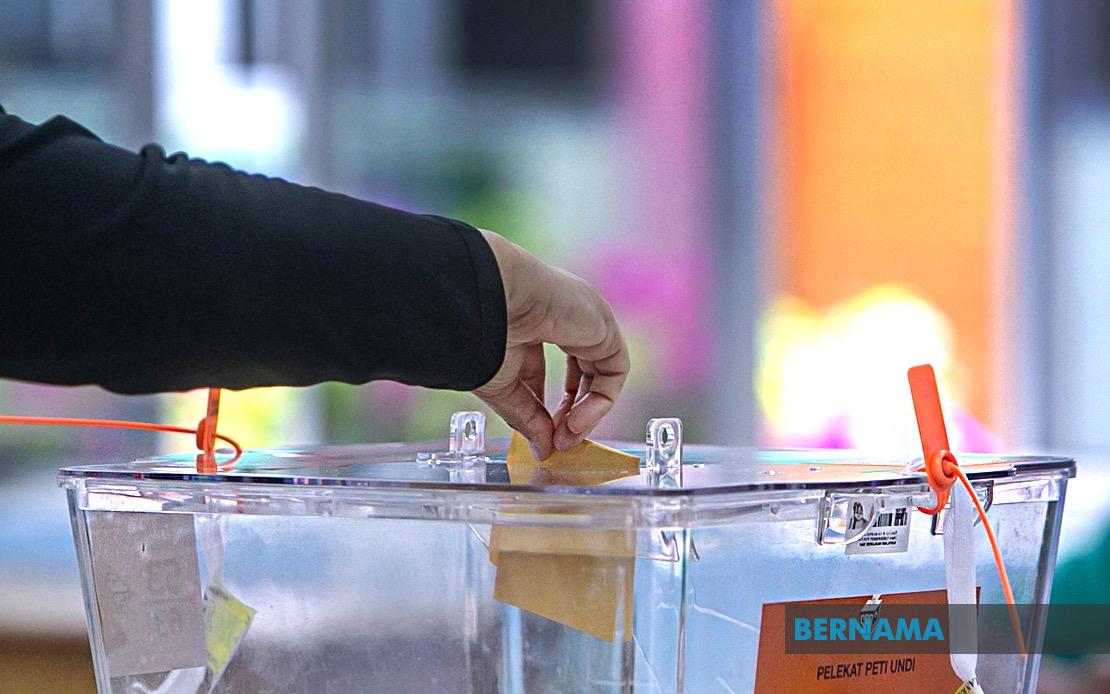
The Ministry of Youth and Sports has mandated that all Youth and Sports Skills Training Institutions nationwide must establish mechanisms to allow eligible students to participate in electoral processes without sacrificing their training commitments. This directive, issued through the Youth Skills Development Division on July 7, represents an acknowledgement by authorities that young Malaysians deserve the opportunity to exercise their democratic rights without facing institutional barriers.
The special leave entitlement extends to three categories of elections: General Elections, State Elections, and by-elections. By establishing this framework, the ministry has removed a significant source of friction that previously forced student voters into an uncomfortable position where attendance obligations conflided with their constitutional responsibilities. The timing of such initiatives matters considerably in Malaysia's electoral calendar, where voting participation among younger demographics has historically remained below levels recorded among older age groups.
Implementation of the special leave policy operates through a structured application process. Eligible students must submit requests directly to the management of their respective institutions well in advance of polling day. Each application undergoes individual assessment by the ILKBS director, with decisions factoring in several practical considerations: the specific location of the student's assigned polling centre, the realistic travelling time required to reach their voting location, and the feasibility of coordinating their absence with existing training schedules. This case-by-case approach prevents blanket approvals that might disrupt institutional operations while still prioritising student participation.
The directive emphasises that institutions must communicate eligibility details to their student population promptly. Early notification allows adequate preparation time for both students planning their travel and institutional administrators scheduling their operations around expected absences. The ministry's guidance explicitly encourages institutions to treat this process systematically, creating transparent attendance records that protect both students and the training facilities from any subsequent disputes or misunderstandings about approved absences.
For Malaysia's skills training sector, this development carries broader implications. The ILKBS network represents a crucial pathway for youth workforce development, offering practical instruction across various technical and vocational fields. By accommodating electoral participation, the ministry sends a cultural message that democratic engagement and professional development need not be mutually exclusive. This approach aligns with global best practices observed in other democracies where educational and training institutions routinely facilitate student voting without compromising educational outcomes.
The ministry's statement regarding student voter responsibility reflects a conscious effort to frame electoral participation as a positive civic obligation rather than a burden. Officials explicitly noted that every vote constitutes a voice shaping the nation's trajectory, positioning student engagement as vital to Malaysia's democratic health and future development. This framing particularly resonates in Southeast Asia, where youth participation in electoral processes has become increasingly important to governments seeking broader-based legitimacy and inclusive governance narratives.
From a practical standpoint, the policy recognises that ILKBS students often originate from different regions than their training venue locations. Many students undertake their skills instruction away from their home constituencies, creating genuine logistical challenges for those wishing to vote. By acknowledging this demographic reality and building flexibility into institutional attendance policies, the ministry removes a structural obstacle that previously penalised students choosing to exercise their voting rights. The requirement to coordinate with training schedules also demonstrates institutional responsibility—institutions retain ability to manage their operations while students gain meaningful access to electoral participation.
The welfare and safety prioritisation mentioned in the ministry's guidance indicates awareness that special leave arrangements must be implemented thoughtfully. Institutions must ensure that approved absences do not create situations where students undertake unsafe travel conditions or face pressure to rush their voting process. This balanced approach protects students while maintaining institutional integrity and training programme continuity.
Regionally, Malaysia's directive positions the country within a growing trend across Southeast Asian nations to enhance youth electoral engagement. Countries facing demographic shifts toward larger youth populations recognise that active younger voter participation strengthens democratic legitimacy and national cohesion. By removing administrative barriers to student voting, Malaysia demonstrates commitment to cultivating a generation of citizens actively participating in governance rather than deferring their civic engagement until later life stages.
The policy implications extend beyond immediate election cycles. Establishing this precedent creates momentum toward broader institutional reforms that recognise student status as compatible with active citizenship. Training institutions may find that accommodating electoral participation also facilitates other forms of civic engagement, creating graduates who view democratic participation as a normal component of their adult responsibilities.
For electoral administrators, the directive should prompt coordination with ILKBS institutions to ensure adequate arrangements at polling centres serving student-heavy locations. Institutions in areas with numerous training facilities may need to plan for increased voting activity during election periods. This administrative coordination, while requiring additional planning, ultimately serves the broader objective of maximising voter accessibility and participation rates.
The success of this initiative will likely depend on how thoroughly ILKBS directors embrace the ministry's guidance and communicate the special leave entitlements to their students. Institutions demonstrating proactive approaches to student electoral participation may establish themselves as institutional leaders in corporate citizenship, while those treating the directive as mere bureaucratic compliance may inadvertently discourage student engagement. The quality of implementation will ultimately determine whether this policy meaningfully expands student voting participation or remains a largely symbolic gesture.

