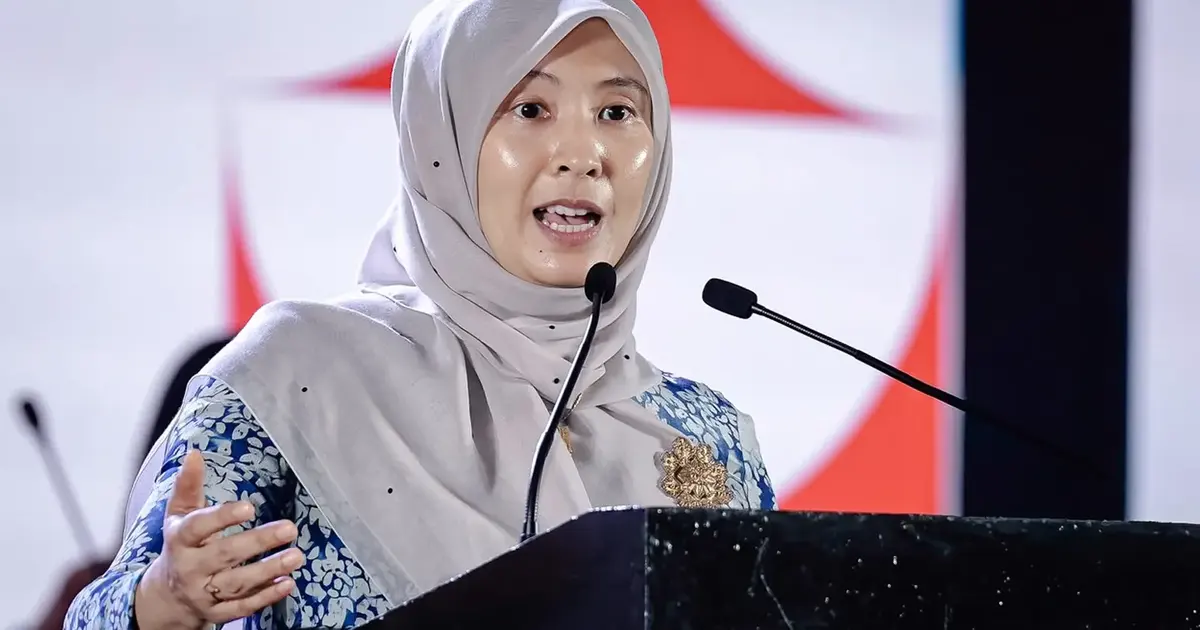
Nurul Izzah Anwar has adopted a dismissive stance toward the accumulating criticism directed at her political trajectory, from her electoral performance in GE15 to her handling of the deputy presidency within PKR and her temporary withdrawal from the role. The seasoned politician's response reflects a pragmatic approach to navigating the fractious landscape of Malaysian politics, where multiple stakeholders often hold divergent expectations of those in leadership positions.
The daughter of former Prime Minister Anwar Ibrahim has faced considerable scrutiny following her unsuccessful bid in the 2023 general election, an outcome that drew particular attention given her family's political prominence and historical electoral success. The defeat marked a notable setback for a politician who had previously enjoyed strong support within her parliamentary constituency and within PKR's grassroots membership. Political observers noted that the loss reflected broader electoral shifts affecting opposition coalitions during that polling period, though commentators remained divided on whether systemic factors or individual campaign strategy bore greater responsibility for the outcome.
Further complicating her position was the election for the deputy presidency within PKR, a race that generated considerable internal party discourse. The timing of this contest, occurring against the backdrop of broader discussions about party leadership and succession planning, amplified scrutiny of her candidacy. Within PKR's party structures, debates emerged regarding the strategic direction of the party and the appropriate distribution of senior roles, discussions that naturally extended to assessments of various candidates for prominent positions.
Compounding these challenges, Nurul Izzah subsequently took a leave of absence from her deputy presidency duties, a decision that prompted fresh rounds of speculation and commentary from political analysts, fellow party members, and the broader media landscape. The absence, irrespective of its underlying causes, created a perception vacuum that critics and supporters alike attempted to fill with their own interpretations and concerns. Such leadership gaps, particularly in high-profile positions within major political parties, invariably trigger questions about party cohesion, individual capacity, and organisational stability.
Her characterisation that universal approval remains unattainable carries particular resonance within Southeast Asian political contexts, where fractured coalitions and competing internal factions represent enduring structural challenges. Malaysian politics specifically demonstrates how even well-established political families must continually negotiate complex relationships with grassroots supporters, party apparatuses, coalition partners, and the broader electorate. Each constituency maintains distinct expectations and priorities that resist easy harmonisation into a single unified platform.
The dynamics surrounding Nurul Izzah's situation reveal deeper patterns within PKR itself, an opposition party that has undergone significant transformation since its founding during the Asian financial crisis. The party's evolution through multiple phases—from grassroots protest movement to parliamentary opposition force to occasional government participant—has created layers of internal tension regarding its identity, objectives, and leadership philosophy. Questions about generational succession, particularly within families that have historically dominated opposition politics, naturally invite heightened internal examination and debate.
For Malaysian observers monitoring opposition party dynamics, these developments carry implications extending beyond individual personality or performance. PKR's capacity to maintain internal unity whilst accommodating diverse factions and ambitious younger leaders represents a critical consideration for whether opposition coalitions can effectively challenge governmental narratives and policies. The party's handling of internal disputes and leadership transitions provides a window into broader questions about institutional maturity within Malaysian political organisations.
Nurul Izzah's response strategy—framed through acceptance that unanimous satisfaction proves unachievable—suggests a deliberate choice to focus on particular constituencies whilst accepting criticism from others. This approach contrasts with alternative strategies that might emphasise intensive repair of all relationships or comprehensive explanation of all decisions. Her pragmatism reflects understanding that political capital remains finite and that attempting simultaneous reconciliation with all aggrieved parties often depletes resources and credibility without producing meaningful outcomes.
The broader context of Malaysian politics in recent years demonstrates that political careers rarely follow linear trajectories of uninterrupted ascent. Even politicians from prominent families experience setbacks, electoral defeats, and periods of reduced influence. How such figures respond to adversity—whether through defensive entrenchment, strategic repositioning, or philosophical reframing—substantially influences their long-term political viability and the respect they command within party structures and public discourse.
Moving forward, observers will likely monitor whether Nurul Izzah's current positioning represents temporary consolidation during a difficult period or reflects deeper recalibration of her political ambitions and role expectations. Her continued involvement within PKR structures and her eventual return to active leadership responsibilities will signal whether this interregnum functions as genuine recuperation or indicates shifting power dynamics within the party. For analysts tracking opposition politics and generational transitions within Malaysian political families, her trajectory remains instructive regarding how privilege and institutional standing navigate contemporary democratic competition.

