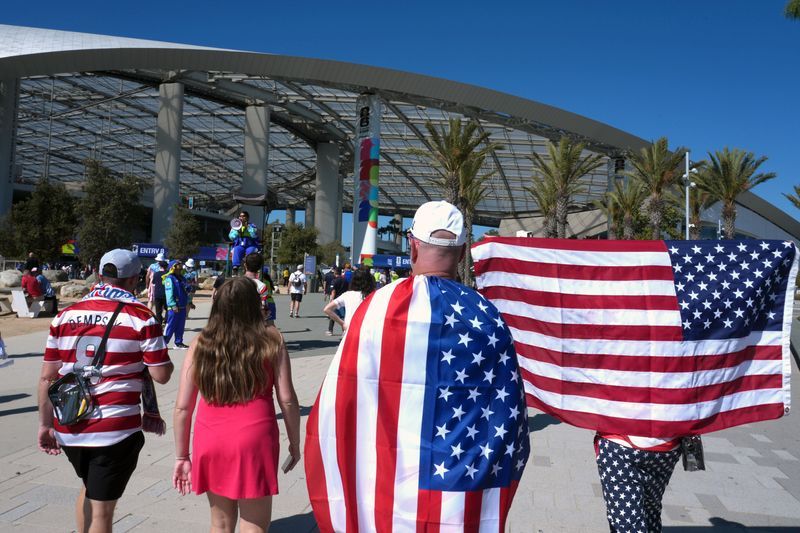
Families planning to attend World Cup matches across North America are discovering that their carefully purchased tickets simply vanish hours before kickoff, leaving them with apologies, refunds, and dashed dreams. Jeremy Wright's Christmas gift to his wife—two tickets to the Netherlands versus Japan match on June 14—evaporated five hours before the game when StubHub informed him the tickets could not be delivered, transforming an 10-month wait and a drive from Austin to Dallas into a rainy retreat home. The Wrights were far from alone; dozens of ticket buyers have flooded social media this month reporting similar last-minute cancellations, painting a troubling picture of dysfunction across the resale market for what was billed as the first North American World Cup in more than three decades.
The core of the crisis stems from a largely invisible practice in secondary ticket markets known as speculative ticketing, explained Scott Friedman, a ticketing expert with experience at the Cleveland Cavaliers who now runs the Ticket Talk Network. Sellers list tickets they do not yet own, gambling that prices will fall enough for them to purchase the same seat at a profit before the order deadline arrives. "Let's say a seller listed that ticket six months ago for $500," Friedman said. "He's hoping to buy that ticket for less than $500 to make a profit and fill the ticket order." This approach works when secondary market prices decline approaching event dates, as they typically do for most sporting mega-events. Yet World Cup 2026 ticket prices defied historical trends, climbing steadily as the tournament drew nearer, leaving speculators unable to source replacement seats without taking substantial losses.
The mechanics enabling speculative ticketing involve a glaring loophole in StubHub's verification system. Although the platform officially prohibits the practice, sellers are not required to provide seat numbers when initially listing tickets, allowing what Friedman termed "ghost tickets" to proliferate unchecked. Jeremy Wright's order confirmation, which Reuters reviewed, showed only that his seats were in 'Category 3' without specifying actual locations—a hallmark of speculative listings. His September 6 purchase, moreover, came four days before FIFA even launched its first official sales draw, suggesting the tickets came from a speculator rather than a legitimate holder. When Wright attempted to claim replacement tickets under StubHub's "FanProtect Guarantee," the platform offered only a refund, contradicting the assurance printed in its cancellation email.
StubHub, a resale-only platform that neither owns tickets nor sets prices, maintains that FIFA's ticketing infrastructure bears responsibility for delivery failures across all secondary resale platforms. The company spokesperson stated that order cancellations stem from seller delivery issues beyond their control. Yet FIFA has countered sharply, asserting that its ticketing platform operates reliably at scale and rejecting suggestions that functional problems on third-party platforms result from FIFA's systems. FIFA has aggressively promoted its official resale marketplace as the only venue where proper ticket delivery can be guaranteed, urging fans to avoid secondary platforms altogether. This territorial claim carries a financial incentive: FIFA charges 30% commission on resale transactions through its official portal, making tickets substantially more expensive than competing platforms.
The high commission structure on FIFA's official platform paradoxically drove some fans toward StubHub in the first place. Dacy Gillespie, a writer and personal stylist, purchased four tickets to Argentina's match against Algeria on June 16 as a Christmas surprise for her two sons, selecting StubHub because she found FIFA's platform confusing and convoluted. After driving roughly 250 miles from St. Louis to Kansas City, she received a matchday email informing her the seller could not deliver the tickets. Like the Wrights, Gillespie initially received only refund options, despite promises of replacement tickets. The disparity between FIFA's assurances about its official platform and the user experience documented by frustrated customers reveals a significant credibility gap, particularly for families investing substantial time and travel expenses.
Public pressure and viral social media campaigns ultimately forced StubHub to move beyond standard refunds. The company offered Jeremy and Sarah Wright complimentary seats to a semi-final match—a meaningful gesture that came only after their complaints gained traction online. Gillespie received a £3,000 credit toward replacement tickets she had to purchase herself. Yet both fans expressed frustration that StubHub's responsiveness seemed contingent on media visibility. "We had to raise holy hell to get the attention," Sarah Wright said, adding that an awkward "survivor's guilt" feeling accompanied their resolution while other affected customers remained uncompensated. The pattern suggests that StubHub's response was reactive rather than systematic, addressing high-profile complaints while potentially neglecting less vocal victims.
StubHub has since established a dedicated World Cup support team and expanded its capacity to source replacement tickets, according to company statements released in response to mounting criticism. "Getting fans to their matches remains our top priority for the rest of this tournament," the spokesperson declared. However, the damage to the company's reputation may prove difficult to repair, particularly given recent regulatory action in the UK. Britain's markets watchdog this week ordered StubHub UK to refund more than 50,000 customers and pay a £900,000 fine for failing to display total ticket prices upfront—a charge that highlights systemic transparency failures extending beyond World Cup ticket sales.
Marsha-Gaye Knight, a clinical assistant professor at NYU Tisch Institute for Global Sport, warns that the World Cup ticketing fiasco could inflict major long-term damage to StubHub's brand reputation. The platform's association with fan disappointment during a global sporting showcase carries symbolic weight, particularly as it unfolds across North American markets where the company operates prominently. The crisis also underscores how secondary ticketing markets, while intended to provide flexibility and access, can paradoxically lock fans out of events through speculative practices and infrastructure failures neither consumers nor platforms can easily control.
The tension between FIFA's official resale platform and third-party operators like StubHub reflects broader industry struggles to balance revenue generation against fan accessibility. FIFA's 30% commission aligns with industry standards across North American sporting events, the organization maintains, yet the substantially higher ticket prices on its official marketplace create obvious incentives for fans to seek cheaper alternatives. When those alternatives fail catastrophically, as has occurred repeatedly this month, fans discover themselves trapped between expensive official channels and unreliable secondary markets, with few legitimate options remaining.
For Malaysian and Southeast Asian observers, the World Cup ticket chaos offers instructive lessons as major sporting events approach the region. The 2026 World Cup's North American expansion creates opportunities for fans across Asia to purchase tickets for matches in accessible markets; however, the StubHub cancellations demonstrate the substantial risks inherent in secondary ticket platforms lacking adequate verification systems. Speculators operating across time zones and jurisdictions exploit loopholes in resale marketplaces, and when prices defy expectations, legitimate fans bear the consequences. Ticketing reform—requiring sellers to prove ownership before listing, implementing genuine delivery guarantees, and standardizing commission structures—would address these structural vulnerabilities.
The Wright and Gillespie cases also illustrate how tournament organizers and resale platforms must accept shared responsibility for market integrity. FIFA cannot simultaneously promote its official platform's superiority while absolving itself of responsibility for cascading failures across complementary resale ecosystems. StubHub cannot implement "FanProtect Guarantees" while lacking mechanisms to enforce them. As World Cup 2026 progresses through its remaining matches, both entities face mounting pressure to demonstrate that ticketing for mega-events can function equitably, efficiently, and reliably—qualities conspicuously absent from the experience of dozens of disappointed families this month.

