When the FIFA World Cup touched down on North American soil, security planners faced an unconventional challenge: safeguarding the world's biggest sporting event across an unusually expansive footprint spanning three nations. At stadiums from Los Angeles to Vancouver and beyond, four-legged sentries became central to threat detection efforts. Among them was Kali, a five-year-old Labrador Retriever stationed at Los Angeles Stadium, whose unassuming demeanour belied her crucial role in preventing explosives, firearms and other contraband from entering the venue.
The decision to marshal hundreds of detection dogs across North American venues reflected the distinctive security landscape facing tournament organisers. The geopolitical environment proved particularly fraught, with the United States hosting Iran's national team despite ongoing tensions between the two countries. Compounding these dynamics, the Trump administration had strained diplomatic relations with numerous nations competing in the sprawling tournament. Such circumstances created complex threat assessments that extended beyond conventional stadium security concerns.
The geographic and political circumstances created cascading security complications. In Mexico, government anti-cartel operations sparked violence in the months preceding the tournament. Simultaneously, Los Angeles experienced significant political protests during Iran's matches, transforming stadium perimeters into focal points of heightened concern. These protest activities signalled to security coordinators that threat levels fluctuated throughout the competition, requiring adaptive responses rather than static protocols.
The sheer operational scale of co-hosting across the United States, Canada and Mexico fundamentally strained existing security infrastructure. Unlike traditional tournaments concentrated in single nations, World Cup matches unfolded simultaneously across sixteen cities, with additional security requirements extending to training facilities, team hotels and transportation corridors. This geographic dispersion meant security planners could not rely on concentrated deployments but instead required distributed networks of detection capabilities. The magnitude of coordination required was unprecedented, with hundreds of dog teams operating in parallel across multiple jurisdictions and law enforcement agencies.
Private security firms emerged as essential partners in bridging deployment gaps. Allied Universal Enhanced Protection Services, the United States' largest private canine security provider, contributed approximately 300 of its 1,000 dog teams to World Cup operations. This represented a substantial mobilisation of commercial security resources, demonstrating how even robust government agencies required supplementation from private contractors. The reliance on multiple security sources—federal agencies, local law enforcement and private firms—created a patchwork security architecture that demanded extensive coordination.
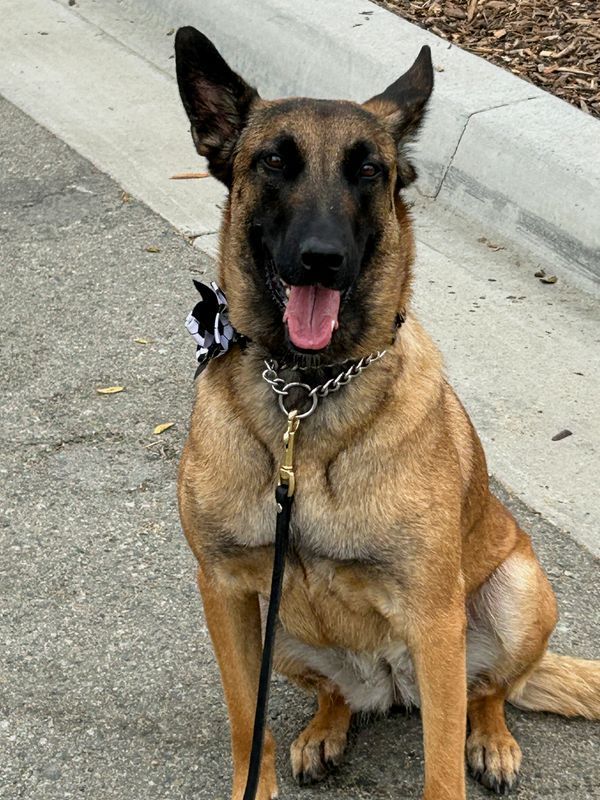
The selection of specific dog breeds revealed nuanced strategic thinking about security optics. Rather than deploying intimidating German Shepherds typically associated with authoritarian security forces, organisers prioritised Labradors and similar friendly breeds. This deliberate choice acknowledged that dogs carry cultural baggage in many countries, where they may symbolise oppressive state power rather than protective services. For international visitors from nations where canine pet ownership remains uncommon, an overly aggressive canine presence could undermine the welcoming atmosphere organisers sought to project. The visual deterrent function—what security professionals estimated at 95 percent of operational value—required breeds that dissuaded criminal intent without generating anxiety among law-abiding spectators.
Iran's participation generated particular logistical complications that rippled across security planning. The Iranian national team faced movement restrictions, required to remain based in Mexico and conduct rapid in-and-out travel for matches in Los Angeles and Seattle. This unconventional schedule created unpredictable security windows and heightened vulnerability periods during transit. Additionally, Iran's matches against New Zealand, Belgium and Egypt sparked organised protests at venue perimeters, transforming these games into political flashpoints requiring elevated protective measures. Detection dog deployments had to account for potential confrontations extending beyond traditional stadium threats to encompass crowd control scenarios.
Detection dogs served multiple threat categories beyond terrorism concerns. Security officials recognised that enthusiastic supporters from numerous countries routinely celebrated goals with fireworks—a tradition fundamentally incompatible with enclosed stadium environments. Preventing well-intentioned fans from introducing pyrotechnic devices required proactive screening at all access points. This multifaceted threat landscape meant handlers trained their dogs to identify explosives, firearms and prohibited items simultaneously, complicating training protocols and operational demands.
Geographic variations in security approach reflected local contexts and available technology. In Guadalajara, Mexican security forces integrated robotic dog systems to supplement traditional canine detection, representing technological innovation adapted to local conditions. Vancouver security planners developed distinctly layered strategies that positioned detection dogs as components within broader security architectures rather than standalone solutions. These variations illustrated how standardised World Cup security protocols necessarily adapted to regional capabilities and threat assessments.
The unprecedented concentration of detection dog teams operating simultaneously across multiple international borders created logistical challenges unlike any previous security operation. Handlers required cross-border coordination despite differing jurisdictional protocols, training standards and operational procedures. Managing approximately 300-plus dog teams across sixteen urban centres demanded real-time communication systems, shared intelligence frameworks and mutual aid agreements spanning three nations. This coordination imperative reflected how modern sporting security had evolved into genuinely international operations requiring institutional cooperation at governmental and commercial levels.
Security professionals approached the World Cup recognising that threat mitigation extended beyond preventing catastrophic incidents to managing spectator perceptions and international reputations. Every dog team visible at stadium entrances communicated to global audiences that organisers took security seriously, yet the careful selection of breeds and training approaches signalled confidence rather than fear. The balance between protective effectiveness and visitor comfort remained delicate, particularly for international delegations whose prior experiences with security dogs might have differed substantially from North American norms.
Throughout the tournament, the deployment strategy succeeded in preventing incidents while maintaining the festive atmosphere organisers sought to cultivate. Detection dogs became invisible infrastructure to most spectators, their presence registered subconsciously through routine screening processes. Yet behind that seamless security perimeter lay months of coordination, specialised training and genuine operational commitment. For the dogs themselves, their World Cup experience represented simply another assignment—though their handlers invariably found them willing participants in the historic security operation.

