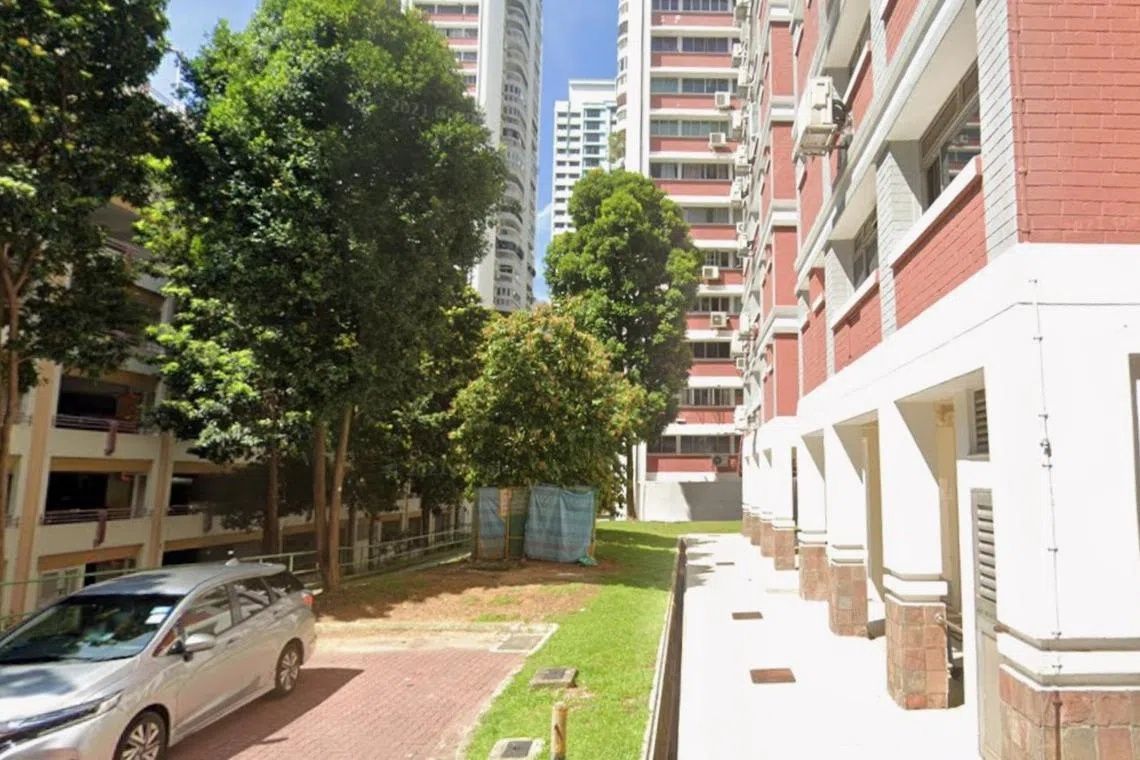
Singapore's police force has apprehended a 46-year-old woman in connection with a violent knife assault that occurred at a public housing block in the Bukit Merah estate on Saturday evening. The incident, which took place at 7 Kim Tian Place shortly before 8pm, has prompted a full investigation into the circumstances surrounding the confrontation between the suspect and her 43-year-old victim.
Authorities responded to an emergency call at approximately 7.40pm on July 4, dispatching officers to the residential block where the attack had taken place. Upon arrival, police located the injured woman and secured the scene. The suspect was detained at the location, and officers recovered the knife used in the assault as evidence. The weapon has since been seized and catalogued as part of the ongoing investigation file.
The victim, who sustained injuries from the blade, was transported to Singapore General Hospital in a conscious state. Medical personnel assessed her condition upon arrival and have been monitoring her recovery. While the nature and severity of her injuries have not been disclosed, her conscious status suggests she retained awareness throughout the incident and its immediate aftermath, which would prove valuable for police investigators seeking an account of events.
Local media outlets, including the Shin Min Daily newspaper, reported visible evidence of the violent nature of the altercation. Bloodstains were discovered at the void deck area of the HDB block, the open-air ground level of the public housing structure where residents typically gather. This location, being a semi-public space frequented by residents and visitors, may have meant the incident was witnessed by neighbours or passersby, potentially providing investigators with additional testimony beyond the victim's own recollection.
The police have formally charged the 46-year-old suspect with causing grievous hurt by means of a weapon, a serious offence under Singapore's criminal statutes that carries substantial penalties upon conviction. The charge reflects the deliberate nature of the attack and the use of an implement designed to cause serious bodily harm. This classification distinguishes the case from lesser categories of assault, indicating that the injuries sustained were considered significant enough to warrant this more serious charge.
The fact that the two individuals are identified as acquaintances rather than strangers adds another dimension to the investigation. This detail suggests the assault did not occur during a random encounter but rather involved prior knowledge between the parties. Understanding the nature of their relationship—whether they were neighbours, colleagues, or social associates—will likely prove central to establishing the motive for the attack and reconstructing the sequence of events that led to the violent confrontation.
HDB blocks remain important cultural and social focal points across Singapore's urban landscape, where thousands of families reside in close proximity. Incidents of violence in these settings generate particular concern among residents, as public housing communities rely on shared spaces and neighbourly trust. The assault at Bukit Merah, being both public and violent, serves as a reminder of the occasional breakdown of safety that can occur even in Singapore's generally orderly society, though such serious incidents remain comparatively rare.
For Malaysian readers following Singapore crime developments, this case reflects broader patterns observed across both countries regarding interpersonal violence in residential settings. While Singapore maintains significantly lower overall crime rates than most regional counterparts, serious assaults continue to occur, prompting police response and judicial accountability. The incident underscores the importance of community vigilance and the role played by emergency services in responding swiftly to violent situations.
Police investigations into the matter remain active as authorities gather additional evidence and witness statements. Forensic analysis of the seized weapon, medical assessments of the victim's injuries, and interviews with potential witnesses will contribute to building the prosecution's case. The investigation phase typically involves reconstructing the precise sequence of events, determining any potential aggravating or mitigating factors, and establishing whether additional charges or circumstances warrant consideration.
The case will likely proceed through Singapore's criminal justice system, where the victim's testimony, physical evidence, and any eyewitness accounts will be weighed against the suspect's account of events. The serious nature of the charge—grievous hurt with a weapon—suggests that if convicted, the suspect could face substantial custodial sentences, reflecting the gravity with which Singapore's courts treat violent offences involving weapons.

