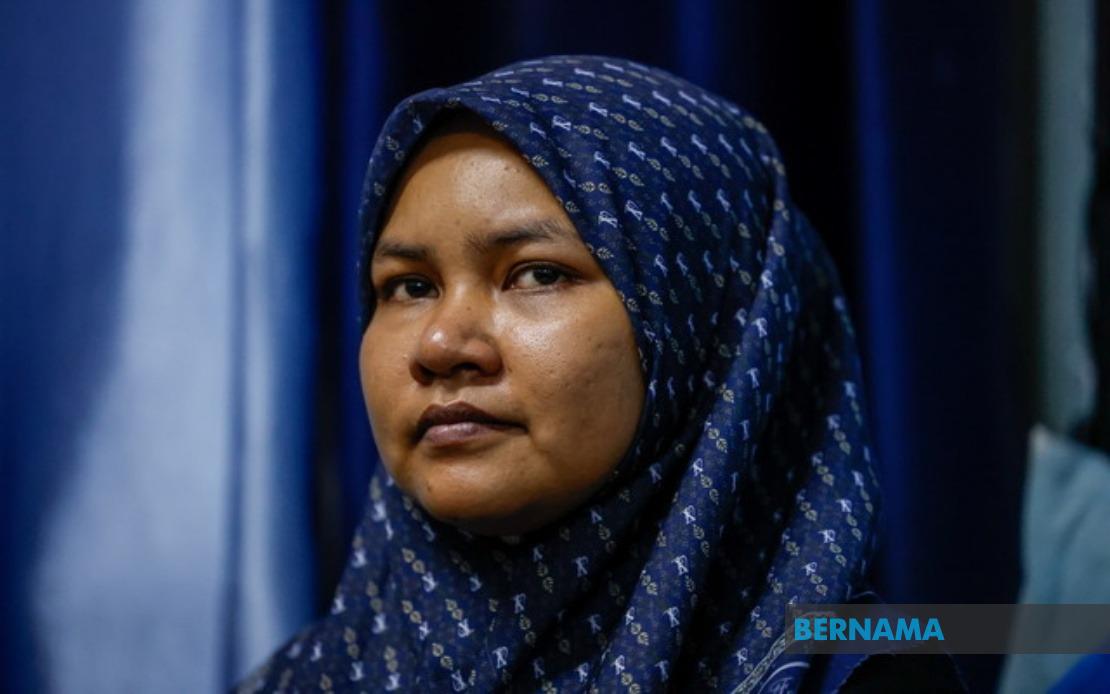
The widow of delivery rider Amirul Hafiz Omar, 33, is expected to launch a RM1 million civil suit against the driver accused of causing his death through a motor vehicle incident in Klang. The legal team representing Nor Nadia Abdul Majid, 32, has finalised the writ of summons and statement of claim, with filing anticipated in August following completion of necessary administrative formalities. Her lawyer, Nur Iffah Hizwani Omar, confirmed that the case preparation is advancing according to schedule, though several procedural requirements must be satisfied before the suit can be formally lodged at the Shah Alam High Court.
A critical delay in the filing timeline stems from the pending issuance of the Letter of Administration, an essential legal document required for the widow to pursue claims on behalf of the deceased's estate. The application for this letter was submitted to the Kuala Lumpur High Court and is scheduled for determination on July 28. Once granted, this administrative step will enable the legal team to access the necessary documentation from the e-hailing company that employed Amirul Hafiz as a delivery rider, establishing his supplementary income during the period he worked in the gig economy sector.
The supplementary income documentation proves crucial for calculating the appropriate quantum of damages to be claimed in the civil proceedings. Rather than relying on estimates, the legal representatives intend to present comprehensive financial records demonstrating the deceased's actual earnings through the e-hailing platform, thereby strengthening the evidentiary foundation of the RM1 million claim. This meticulous approach reflects a growing awareness among Malaysian legal practitioners of the financial contributions made by gig economy workers, whose income often supplements primary employment or constitutes their sole source of livelihood.
The tragedy occurred on March 29 when the delivery rider was struck by a vehicle along Jalan Raya Barat in Klang. The accused driver, R. Saktygaanapathy, 28, faced murder charges under Section 302 of the Penal Code at the Klang Magistrate's Court on April 1. However, the case's jurisdictional complexity prevented the recording of a plea at the lower court level, necessitating transfer to the High Court. Subsequently, on June 3, the accused entered a plea of not guilty to an amended charge under Section 15(1)(a) of the Dangerous Drugs Act 1952 pertaining to self-administration of tetrahydrocannabinol, commonly known as THC.
This shift in the criminal charge from murder to drug offences represents a significant development in the prosecution's strategy, though it does not diminish the civil liability considerations that Nor Nadia's legal team now pursues independently. The alleged impairment of the driver due to drug influence constitutes negligence in civil law, establishing clear grounds for compensation even if the criminal proceedings result in a conviction on drug-related charges rather than vehicular homicide. The dual legal approach—simultaneous criminal prosecution and civil damages claim—has become increasingly common in Malaysian cases involving deaths caused by impaired driving.
For Nor Nadia, nearly four months have elapsed since her husband's death, yet the psychological and emotional dimensions of grief continue to intensify rather than diminish with the passage of time. She revealed that the initial three months following the incident were marked by a peculiar emotional numbness, as though her husband had merely departed for his customary work shift. Only subsequently did the full weight of her loss become apparent, accompanied by overwhelming sadness that surfaces particularly when she interacts with their children. This delayed grief response, while uncommon in public discourse, reflects a documented psychological phenomenon where the immediate aftermath of trauma is sometimes characterised by emotional dissociation as a protective mechanism.
The daily routines previously managed by Amirul Hafiz now fall entirely upon Nor Nadia's shoulders, a transition that has reinforced her sense of his absence and sacrifice. Her late husband maintained a disciplined schedule of school runs, delivering the children to their educational institution each morning and collecting them at midday to share meals together, a practice he observed consistently regardless of weather conditions or other obstacles. These small parental rituals, often taken for granted in intact families, have become poignant reminders of his dedication and the practical burden his widow now bears alone. She has assumed complete responsibility for managing these childcare obligations alongside whatever income-generating activities remain available to her.
The civil suit Nor Nadia pursues serves both financial and symbolic purposes within Malaysia's evolving legal landscape surrounding gig economy workers and road safety. The RM1 million claim, while substantial, reflects not merely the direct economic loss represented by Amirul Hafiz's lost earnings but also the non-pecuniary damages—loss of companionship, emotional distress, and disruption of family life—that Malaysian courts increasingly recognise as compensable. The case underscores the vulnerability of gig workers operating outside traditional employment frameworks, often lacking robust insurance coverage or employer-provided benefits that would cushion family members against economic catastrophe following fatal accidents.
The proceedings also carry implications for road safety accountability in Malaysia, particularly regarding enforcement of drug-driving laws and the consequences imposed upon offenders. When criminal charges do not result in convictions on the most serious charges, civil suits become the mechanism through which victims' families can obtain some measure of redress while simultaneously pressuring the judicial system to impose meaningful consequences on negligent drivers. The visibility of high-profile civil claims for substantial damages may contribute to broader awareness among motorists regarding the serious legal and financial repercussions of impaired driving.
Amirul Hafiz's case represents one of numerous tragic incidents involving gig economy workers in Malaysia, a sector that has expanded rapidly over the past decade with minimal corresponding evolution in legal protections or insurance frameworks. These workers face disproportionate occupational hazards, spending extended hours navigating traffic on motorcycles and vehicles while under pressure to complete rapid deliveries within tight timeframes. The absence of comprehensive occupational safety regulations specifically tailored to the gig economy means that workers and their families bear the full burden of consequences resulting from traffic incidents, workplace hazards, or inadequate safety practices.
The anticipated filing of the civil suit in August will initiate a legal process that may extend across multiple years, as Malaysian civil litigation involving substantial quantum claims typically proceeds through lengthy discovery, examination, and appeal phases. During this period, Nor Nadia will confront not only the emotional challenges of single parenthood but also the practical difficulties of managing a legal claim while rebuilding her family's economic stability. Her willingness to pursue formal legal action, despite the personal costs involved, reflects both her determination to secure financial resources for her children's welfare and her implicit insistence that the circumstances of her husband's death should not be treated as merely another tragic accident to be forgotten.
As Malaysia continues developing its regulatory frameworks for the gig economy, cases such as this provide valuable evidence of the gaps requiring legislative attention. The intersection of gig work precarity, road safety failures, and inadequate compensation mechanisms reveals systemic vulnerabilities that extend beyond individual tragedies to affect thousands of Malaysian families. Nor Nadia's pursuit of civil damages, while addressing her particular family's financial needs, also contributes to building a legal record that may ultimately influence policy discussions regarding worker protections and corporate accountability for gig economy platforms.

