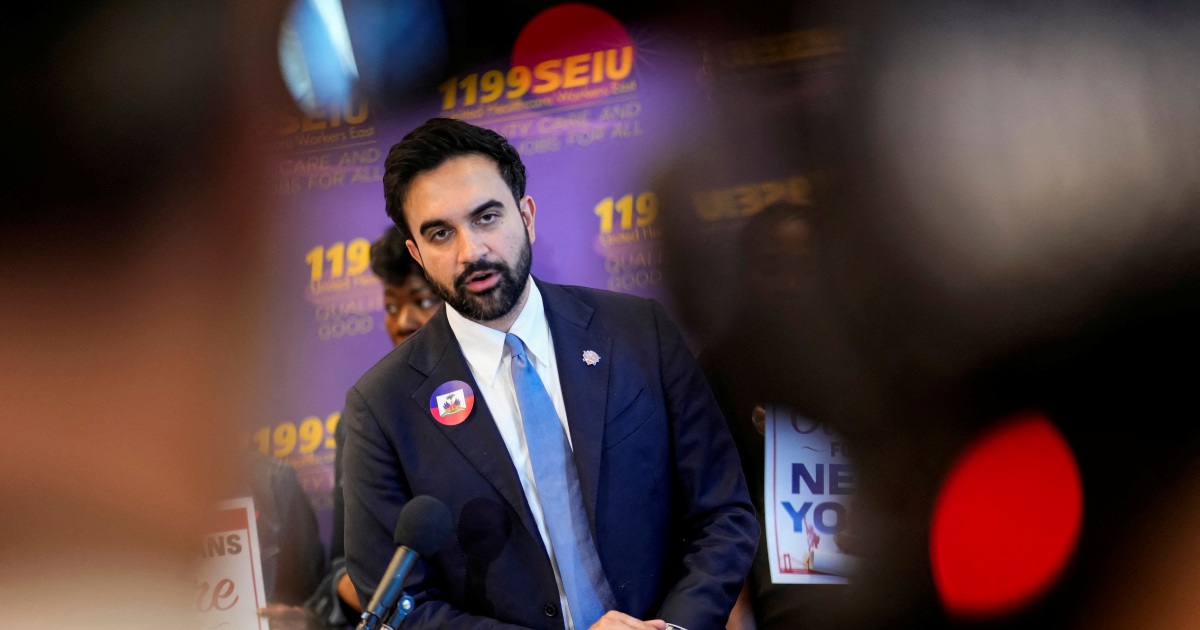
New York Mayor Zohran Mamdani has found himself caught between political principle and constitutional reality. This week, the progressive leader clarified that despite his earlier suggestions about potentially arresting Israeli Prime Minister Benjamin Netanyahu should he visit New York City, he ultimately lacks the legal machinery to do so. The reversal underscores the significant gulf between mayoral rhetoric and actual executive power, particularly when it comes to matters involving international figures and allegations of war crimes.
Mamdani's initial willingness to consider arrest reflected growing pressure from his constituents and activist communities within New York City who view Netanyahu's military operations in Gaza as constituting war crimes under international law. By entertaining the possibility of detention, the mayor appeared to signal alignment with those demanding accountability for Israeli military actions. However, the legal landscape governing municipal authority proved far more restrictive than such statements suggested. A city mayor, regardless of personal conviction or local sentiment, operates within a constrained framework that does not extend to independent prosecution or arrest of foreign leaders based on international law violations.
The distinction between mayoral power and state or federal jurisdiction creates the fundamental barrier preventing Mamdani from acting unilaterally. Arrest authority in the United States follows a hierarchical structure: local police enforce municipal ordinances and state law, state authorities handle state crimes, and federal law enforcement addresses federal matters and international concerns. War crimes allegations fall squarely into federal and international jurisdiction, lying entirely outside the scope of local government power. A mayor cannot simply detain someone based on alleged violations of international humanitarian law, no matter how serious those allegations may be or how much political support exists for such action.
Moreover, immunity doctrines further complicate any scenario involving sitting heads of state. International law and customary diplomatic practice generally afford serving foreign leaders immunity from domestic legal proceedings in host nations. This immunity serves to protect the diplomatic process itself and maintain international relations. While immunity can theoretically be waived by a leader's home country, no such waiver exists for Netanyahu, making arrest not merely legally difficult but diplomatically untenable. The United States federal government, which maintains complex relations with Israel, would certainly object to any municipal attempt to circumvent standard diplomatic channels and immunity arrangements.
For Malaysian readers particularly, this situation illustrates how global power dynamics privilege certain nations even when serious allegations of law-of-war violations arise. While many countries in Southeast Asia have experienced criticism for military conduct and human rights concerns, the machinery for accountability operates very differently depending on political alignment and geopolitical relationships. The United States, despite its professed commitment to international law and human rights, protects allies through legal mechanisms and diplomatic immunity that prevent domestic judicial action against their leaders.
Mamdani's public acknowledgment of his legal limitations represents a moment of political honesty, even if arrived at reluctantly. Initially, his suggestions about arresting Netanyahu appeared designed to galvanise support from his progressive base and demonstrate solidarity with Gaza solidarity activists. Yet the realities of constitutional governance, separation of powers, and international diplomatic custom quickly constrained what rhetoric could accomplish. This tension between political messaging and legal reality confronts many elected officials who wish to take symbolic stands on international matters.
The episode also highlights how domestic politics intersect with foreign policy. A local elected official in one of America's major cities cannot unilaterally redefine the United States' relationship with Israel or create new legal pathways for accountability that federal government prefers to avoid. Even the most sympathetic mayor operating in the most progressive jurisdiction remains bound by constitutional frameworks designed to prevent such independent action. The separation between municipal law enforcement and questions of international law and diplomacy exists precisely to maintain coherent foreign policy and prevent contradictions between local and national positions.
For those advocating accountability for alleged war crimes, Mamdani's predicament underscores why such questions must be pursued through international mechanisms or federal courts applying international law, rather than through municipal initiatives. The International Criminal Court represents the intended forum for such investigations, though its effectiveness and legitimacy remain contested, particularly when powerful nations do not cooperate. Domestic courts in countries without immunity arrangements could potentially pursue jurisdiction, but American courts have been reluctant to involve themselves in foreign military matters absent clear statutory authority.
Mamdani's situation also reflects the broader challenge facing progressive American elected officials seeking to respond to international conflicts in ways that align with their constituencies' values. Many cities contain substantial diaspora communities deeply affected by conflicts abroad, creating pressure to take action that feels inadequate within legal and diplomatic constraints. The mayor's initial statements acknowledged this pressure even as the legal analysis revealed its impossibility.
Moving forward, this episode may influence how political leaders frame international justice advocacy. Rather than suggesting municipal arrests—which prove legally unfeasible—advocates might focus on federal legislation, support for international courts, or diplomatic pressure through proper channels. The clarity about mayoral limits, while perhaps disappointing to activists, establishes realistic expectations about what local government can accomplish regarding international law enforcement and foreign leaders' accountability.

