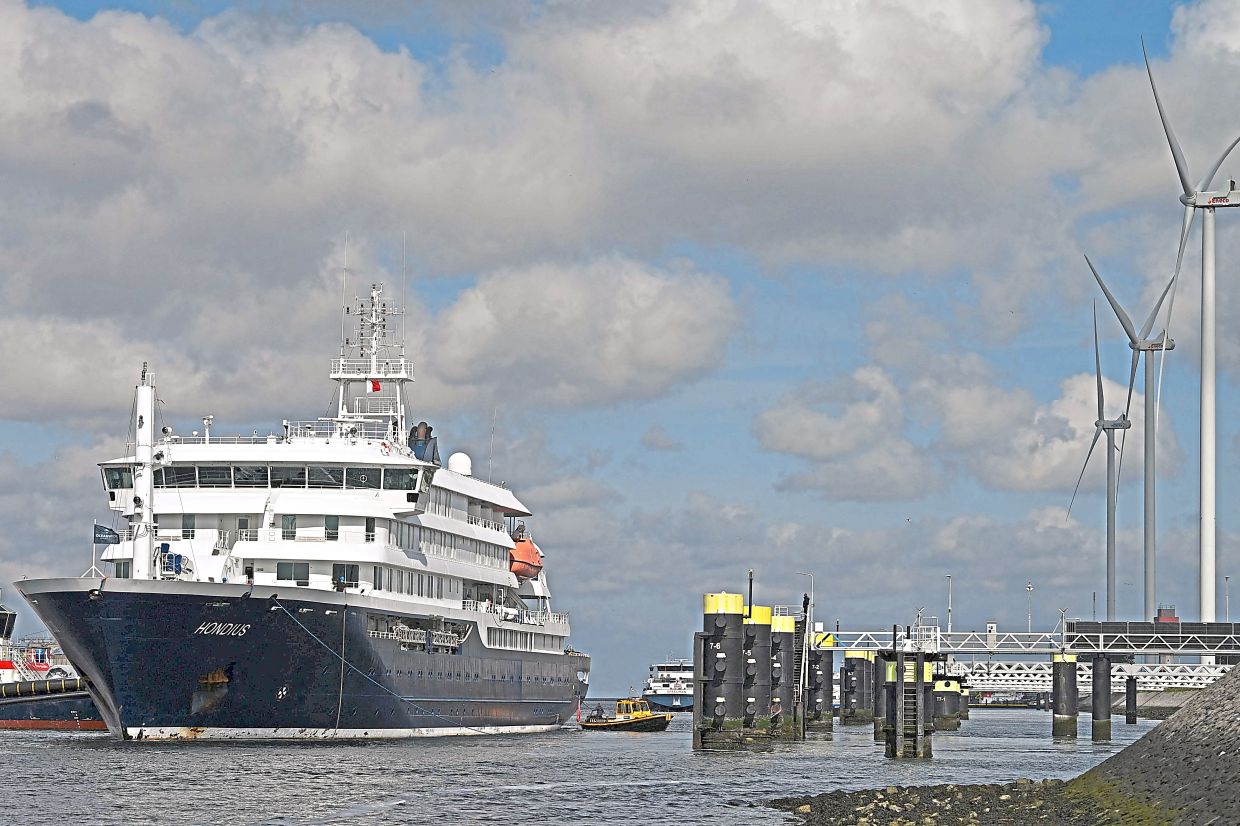
The World Health Organization has formally ended its declaration of a hantavirus outbreak connected to the polar expedition cruise ship MV Hondius, signalling the completion of a health crisis that commanded international attention over several months. The announcement came after the last person under quarantine related to the incident was cleared on July 2, having tested negative for the virus and returned to their home. The episode had sparked considerable concern across the global health community, requiring coordinated responses from authorities in dozens of countries.
The outbreak ultimately claimed three lives among those infected with the rare and dangerous hantavirus. In total, 12 cases were confirmed and one additional case was classified as probable, all stemming from exposure aboard the Dutch-flagged vessel. These figures represented a serious public health incident given the severity of hantavirus infection and its high mortality rate in the Andes strain, which was responsible for the infections aboard the Hondius.
The MV Hondius embarked on its ill-fated voyage on April 1, 2026, from Ushuaia in Argentina's Tierra del Fuego region. The itinerary took passengers on a remote expedition through the South Atlantic Ocean, visiting some of the world's most isolated and ecologically significant locations, including the tiny archipelago of Tristan da Cunha. The vessel subsequently navigated northward toward European waters, eventually making its way to Tenerife in the Canary Islands, where the remaining passengers were evacuated as the health emergency unfolded.
WHO Director-General Tedros Adhanom Ghebreyesus confirmed at a press briefing that no new cases had been documented since May 25, 2026, establishing the endpoint for active transmission. The organisation's declaration of outbreak resolution represents both a relief for those affected and a closure to an intense period of epidemiological investigation and public health response. The director-general emphasised that the completion of the final quarantine period and the individual's confirmed negative test result marked a decisive moment in containing what had become a geographically dispersed health emergency.
The scope of contact tracing and monitoring associated with the Hondius outbreak demonstrated the complexity of managing infectious disease threats in international travel contexts. Health authorities across 33 countries and territories identified and followed more than 650 individuals who had potential contact exposure to the virus. This extensive reach reflected both the global nature of modern cruise tourism and the interconnected pathways through which infectious diseases can spread across international borders, a lesson particularly relevant to Southeast Asian nations that are major cruise ship destinations.
Despite the official closure of the outbreak, the scientific community recognised that substantial investigative work remained to unlock insights from the episode. Hantavirus transmission events aboard ships are extraordinarily rare, making this incident a unique opportunity to understand how the pathogen behaves in enclosed environments and under circumstances far removed from typical rodent-human transmission in terrestrial settings. The virus itself remains poorly understood in many aspects, particularly regarding the mechanisms that allow person-to-person spread in the Andes strain.
Tedros announced that the WHO had initiated a coordinated international study encompassing 21 countries to investigate the disease's clinical progression and pathophysiological mechanisms. This research initiative aims to fill critical gaps in understanding hantavirus infection, with implications for developing diagnostic tools, therapeutic interventions, and ultimately, preventive vaccines. Such collaborative efforts represent best practices in translating outbreak experiences into scientific knowledge that benefits global health preparedness.
Hantavirus, spread naturally through contact with infected rodent excreta and saliva, ranks among the most dangerous zoonotic pathogens. The virus possesses no approved vaccines and no specific antiviral treatments currently exist, placing the disease management squarely in the realm of supportive care and containment. The Andes strain, which caused the Hondius infections, holds a particularly concerning distinction: it remains the sole known hantavirus variant capable of sustaining human-to-human transmission, a characteristic that amplified the outbreak's threat level and justified the intensive response measures undertaken.
The polar exploration vessel finally arrived in Rotterdam Harbour in the Netherlands on May 18, 2026, where comprehensive sanitisation procedures were conducted to eliminate any remaining viral contamination. The decontamination of the ship represented a crucial step in preventing any subsequent transmission and in restoring the vessel to operational status. The sanitisation efforts underscored the procedural protocols now in place for managing biohazard scenarios aboard commercial vessels operating in international waters.
For Southeast Asian regional authorities, the Hondius outbreak carried important implications regarding cruise ship biosecurity and disease surveillance. The region hosts major cruise ship ports including those in Singapore, Malaysia, and Thailand, making it vulnerable to similar outbreaks originating from or transiting through these hubs. The WHO's coordinated response model and the lessons learned from tracking over 650 contacts internationally offer valuable guidance for strengthening regional disease detection and containment capabilities.
The resolution of the outbreak also highlighted the resilience of existing public health infrastructure when applied with sufficient resources and international cooperation. While hantavirus remains a threat that warrants continued scientific attention, the successful containment of the Hondius cases demonstrates that even rare and dangerous pathogens can be effectively controlled through prompt detection, rigorous contact tracing, and sustained monitoring protocols across multiple jurisdictions.

