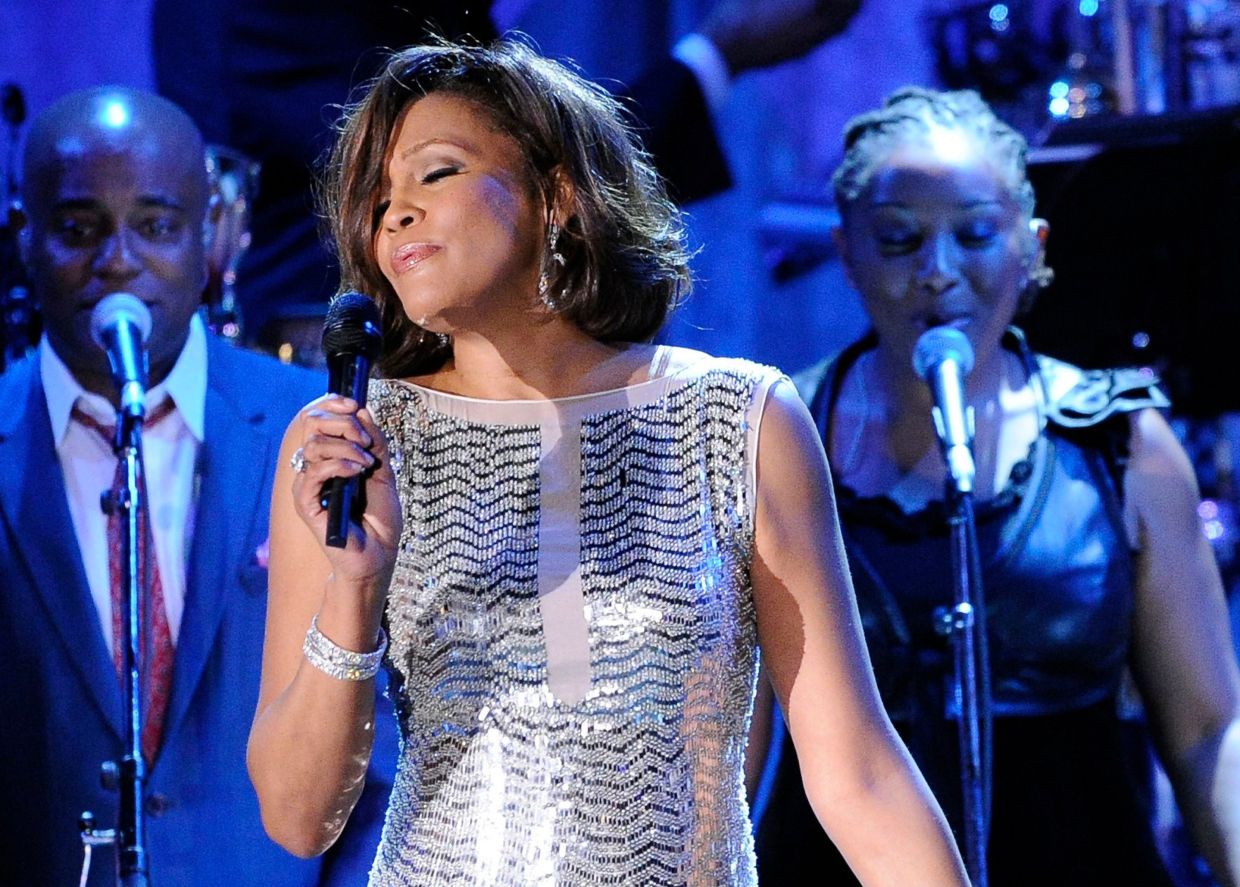
The music world is preparing to celebrate four decades of Whitney Houston's profound influence on popular culture, with a slate of commemorative releases that underscore the enduring power of one of history's most distinctive voices. As the legendary singer's birthday approaches in August—she would have turned 63—her estate has orchestrated a carefully considered programme of tributes that extends beyond traditional album releases into collectible merchandise and, tantalizingly, hints toward more substantial biographical undertakings.
Central to this anniversary push is a newly compiled album assembling all 11 of Whitney Houston's Billboard Hot 100 number-one singles, a remarkable achievement that places her among the most commercially successful recording artists of all time. This collection represents far more than a simple greatest-hits package; according to Pat Houston, the executor of the singer's estate and her sister-in-law, the album embodies Houston's own vision of her artistic legacy. The songs chosen define not merely chart success but entire cultural moments, serving as the soundtrack to millions of lives across multiple decades and continents. Each track marked a watershed moment in popular music, breaking sales records and establishing standards against which subsequent generations of singers have been measured.
The release strategy extends into unexpected territory with the debut of a Whitney Houston Barbie doll, produced by parent company Mattel and unveiled on what would have been the singer's birthday. This represents Houston's first foray into the iconic doll franchise, and Pat Houston has emphasized the emotional significance of the collaboration. The connection between Whitney Houston and the Barbie brand runs surprisingly deep: conversations between Houston and her sister-in-law about such a collaboration date back more than two decades, making the eventual materialization of this project a delayed but meaningful vindication of long-standing creative aspirations. The journey from initial concept to finished product exemplifies how some artistic visions require patience and the right circumstances to flourish, ultimately transcending generational boundaries.
Pat Houston's stewardship of the estate emphasizes purposefulness in how her sister-in-law's memory is commemorated. She has indicated that various projects are in development stages, though she remains circumspect about specifics until details are finalized. The executive speaks of Whitney Houston's catalogue with reverence, acknowledging both its commercial magnitude and its artistic significance. However, she also cautions against oversaturation of the market with products bearing Houston's name. Any new release, whether musical, visual, or merchandise-based, must serve a genuine purpose in honoring her legacy rather than simply capitalizing on her name recognition.
The question of a biographical film—the implicit reference in the original headline—remains unresolved but far from dismissible. While Pat Houston has not confirmed specific plans for a feature-length biopic in the manner of recent Michael Jackson or other music icon documentaries, she has hinted that the estate continuously receives proposals and explores various creative directions. The cautious approach reflects an understanding that Houston's life and career are complex narratives deserving respectful, thoughtful treatment rather than sensationalized dramatization. The parallels to Michael Jackson's recent biographical films are inevitable given the similar stature of both artists, yet Houston's estate appears determined to chart its own course.
A significant element of Houston's legacy involves her professional relationship with music executive Clive Davis, who discovered her and guided her early career. Pat Houston emphasizes that this relationship extended beyond conventional industry mentorship; Davis and Houston shared a genuine affection and mutual respect that shaped her entire artistic trajectory. The music mogul, who passed away in 2024, remained vocal about Houston's importance to his career and to music history itself until his final years. This relationship represents a crucial dimension of any comprehensive biographical project, as Houston herself recognized that while she possessed exceptional talent and technical craft, Davis provided the strategic guidance and industry belief system that enabled her gifts to reach global audiences.
Looking forward, Pat Houston articulates an ambitious vision that encompasses far more than traditional film or documentary treatments. She has identified live performance materials—concert footage and stage recordings—that have circulated primarily outside North America as potential sources for future projects. The notion of curating and releasing previously unseen performances would introduce new generations to Houston's extraordinary abilities as a live performer, an aspect of her artistry sometimes overshadowed by her studio recordings and music video appearances. These performances, Houston's sister-in-law suggests, would astonish contemporary audiences unaccustomed to witnessing such vocal power and emotional authenticity in real-time performance contexts.
The broader strategy appears designed to extend Houston's influence into cultural spaces beyond recorded music. The Barbie collaboration, the compilation album, and hints of forthcoming performance releases all contribute to a multifaceted approach to cultural commemoration. For Malaysian and Southeast Asian audiences, whose markets experienced Houston's music as part of the same global phenomenon that swept through the West, these initiatives underscore the truly universal reach of her artistry. Her voice transcended language and cultural barriers, establishing her as a genuinely international cultural figure.
The cautious, measured approach that Pat Houston articulates also reflects contemporary conversations about the ethics of celebrity legacy management. Rather than pursuing every possible commercial opportunity, the estate appears committed to quality over quantity, ensuring that new releases and projects meaningfully contribute to how audiences understand and experience Whitney Houston's artistry. This philosophy suggests that while a biographical film may indeed materialize eventually, it will arrive only when the right creative team and circumstances align, rather than being rushed to market to capitalize on current interest cycles.
As the anniversary celebrations unfold, they serve as reminders of why Whitney Houston occupies such a singular position in music history. Her voice—technically remarkable, emotionally powerful, and impossible to replicate—represents an artistic achievement that transcends commercial success. Whether through compilations, merchandise, concert footage, or eventual biographical films, the estate's efforts aim to ensure that this legacy remains vivid and accessible to audiences who experienced her music firsthand, as well as younger listeners discovering her work for the first time. The deliberate, thoughtful approach to her commemoration distinguishes these efforts from mere nostalgia marketing, instead positioning them as genuine artistic reclamation.

