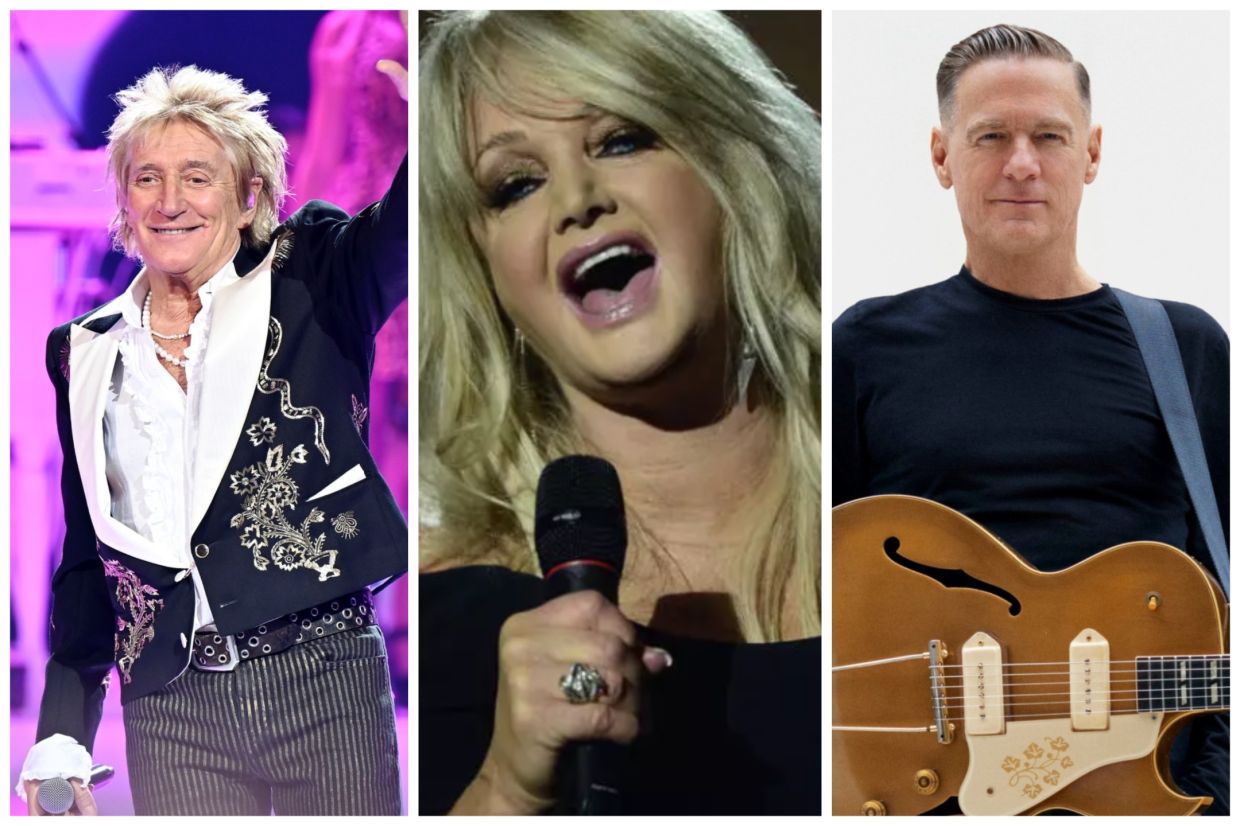
Bonnie Tyler, the Welsh rock icon whose sultry, powerful vocals defined the 1980s power ballad era, has died at 75. The singer passed away unexpectedly at a hospital in Portugal on Wednesday night from an illness she had been undergoing treatment for, according to a statement from her family posted on Facebook. Her death prompted an outpouring of tributes from fellow musicians, Hollywood figures, and government officials who recognised her enduring cultural impact and the distinctive artistry she brought to rock music across four decades.
Born Gaynor Hopkins in 1951 in the Welsh mining town of Neath, Tyler grew up in humble circumstances with five siblings. Her father spent his working life in the coal mines whilst her mother kept house. At 16, she left school and initially worked in a grocery store, where she nurtured an early passion for singing. The young vocalist performed whenever opportunities arose, first adopting the stage name Sherene Davis to distinguish herself from Mary Hopkin, another Welsh singer who might have caused confusion in the industry. This early decision to reinvent herself through a stage name foreshadowed a career built on transformation and distinctive branding.
Tyler's path to stardom accelerated in 1975 when talent scout Roger Bell discovered her performing at a nightclub in Swansea. RCA Records signed her within months and gave her the name Bonnie Tyler, the moniker that would become synonymous with rock ballad excellence. The turning point in her voice came through adversity. Following surgery to remove nodules from her vocal cords, she did not rest her voice adequately during recovery. Rather than damaging her career, this medical mishap resulted in the development of her signature husky, sultry tone that would become her most recognisable trademark and contribute significantly to her international appeal.
Tyler's biggest commercial triumph came with her 1983 single "Total Eclipse of the Heart," a soaring power ballad that became one of rock music's most iconic recordings. The song's stirring orchestral arrangement and Tyler's emotionally charged vocal delivery resonated globally. Nearly four decades after its 1983 release, the track accumulated more than one billion streams on Spotify, whilst its accompanying music video exceeded one billion views on YouTube. The single has sold over six million copies worldwide, cementing Tyler's place in popular music history and establishing her as a defining artist of the era.
At the height of her career in 1984, Tyler released "Private Eyes," another major hit that consolidated her status as a superstar. Over the course of her recording career, she released 17 studio albums and received three Grammy Award nominations, recognising her artistic contributions to popular music. Beyond her commercial success, Tyler represented British rock music on the international stage with pride and authenticity. In 2013, she carried United Kingdom hopes at the Eurovision Song Contest, demonstrating her continued relevance and willingness to engage with contemporary music competitions decades into her career.
Rod Stewart, the gravelly-voiced British rock legend, acknowledged their shared vocal qualities in a tribute posted on Instagram, describing Tyler as "a good pal" and "a true soul stirrer" who possessed comparable vocal styling to his own. Cliff Richard reflected on her infectious energy and global influence, whilst Canadian rocker Bryan Adams highlighted her exceptional vocal talent and thanked her for her rendition of a composition he had co-written. Welsh-born Hollywood actress Catherine Zeta-Jones, who had invited Tyler to perform at her wedding, described her as "an extraordinary woman with vocals to match," underscoring the personal connections Tyler maintained with fellow artists and entertainers throughout her life.
Classical soprano Katherine Jenkins delivered perhaps the most emotionally resonant tribute, hailing Tyler as "a true Welsh legend whose unmistakable voice inspired generations and put Wales on the world stage with such power, passion and authenticity." Prime Minister Keir Starmer issued an official statement through Downing Street expressing sadness at her passing and characterising her as "one of Britain's greatest recording artists" whose catalogue would "continue to touch lives" across generations. These tributes reflected not merely acknowledgment of commercial success but genuine respect for her artistic integrity and cultural significance.
Tyler's personal life reflected a deliberate choice to remain grounded despite achieving international stardom. Since the 1970s, she and her husband Robert Sullivan, a former judo athlete, split their time between Wales and the Algarve region of Portugal, where she ultimately passed away. Tyler famously resisted the typical trappings of celebrity excess, maintaining her Welsh accent and approachability throughout her career. In interviews, she would joke about her ordinary lifestyle, declaring that she lived normally without bodyguards and remained happy to take photographs with fans at everyday locations like grocery store counters, consciously distancing herself from the pretentiousness associated with some major entertainers.
Despite decades of performing the same repertoire, Tyler demonstrated consistent enthusiasm for her signature songs. She expressed genuine joy at revisiting "Total Eclipse of the Heart" and other classics night after night, viewing them not as obligations but as cherished parts of her artistic legacy. This attitude endeared her to longtime fans who appreciated her authenticity and dedication to her craft. She drew inspiration from powerful female artists like Tina Turner and international rock figures such as French rocker Johnny Hallyday, artists who similarly commanded stages with charisma and vocal presence.
In 2022, Tyler received formal recognition for her contributions to music when Queen Elizabeth II appointed her a Member of the Order of the British Empire (MBE). This honour acknowledged her four-decade career and the manner in which she had represented British musical talent on the world stage. For Malaysian and Southeast Asian audiences familiar with 1980s pop and rock culture, Tyler's death marks the passing of an artist whose music transcended national boundaries. Her power ballads dominated MTV programming that shaped popular music consumption throughout the region during formative decades, making her influence felt far beyond her native Wales and the broader United Kingdom.

