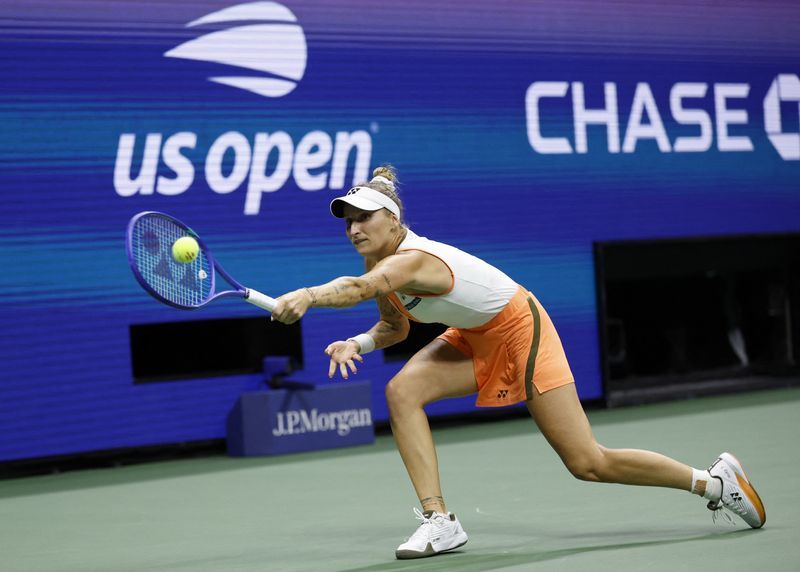
Marketa Vondrousova, the 2023 Wimbledon champion from Czech Republic, is challenging her four-year suspension for failing to complete an out-of-competition doping control in December. The appeal has been formally lodged with the Court of Arbitration for Sport, the sport's ultimate judicial authority, which confirmed on Tuesday that it had received her case. The hearing date remains unscheduled, though the ban carries consequences extending well into the next decade — Vondrousova will be 30 years old when her suspension concludes on June 21, 2030.
The International Tennis Integrity Agency imposed the penalty in June after determining that Vondrousova did not provide a sample when requested by a doping control officer at her residence during an out-of-competition test attempt in December. The incident has proved deeply controversial within professional tennis, with Vondrousova's response highlighting broader tensions around athlete privacy and testing protocols in the sport. Her legal challenge represents a significant test case that could reshape how testing authorities approach unannounced visits to players' homes.
Vondrousova's decision to refuse the test occurred on December 3 when an officer arrived at her home at 8:15 p.m. demanding immediate provision of a sample. She later explained that the timing and nature of the intrusion constituted an unacceptable violation of her personal space and privacy. The 27-year-old athlete described having reached a breaking point following months of accumulated physical and mental stress, framing the incident as the culmination of ongoing pressures rather than a deliberate attempt to evade testing protocols.
Crucially, Vondrousova has consistently maintained her innocence, emphasizing that she has never engaged in doping. A drug test conducted just three days after the December 3 incident produced a negative result, providing objective evidence supporting her assertion that no prohibited substances were present in her system at the time. This detail carries significant weight in her appeal, as it demonstrates the absence of any underlying violation despite her non-compliance with the testing procedure itself.
The implications of this case extend beyond Vondrousova's individual career prospects. The appeal raises fundamental questions about the balance between rigorous anti-doping enforcement and reasonable protections for athlete privacy in domestic settings. Testing agencies operate under strict independence protocols designed to prevent tampering, yet the rigid application of these rules can create confrontational situations that test athletes' willingness to cooperate. Vondrousova's appeal may prompt the sport to reconsider how and when out-of-competition testing takes place, particularly during evening hours when privacy expectations are typically highest.
The athlete's career has been substantially disrupted in the interim. Since skipping the Adelaide International in January due to a shoulder injury, she has not competed on the professional circuit. Her world ranking has plummeted dramatically from a career high of number six to 153, reflecting the combination of her absence from competition and the publicity surrounding the doping case. This extended absence has effectively erased much of her competitive momentum and the match fitness necessary to compete at the highest levels of the sport.
Vondrousova's achievements prior to this crisis had marked her as one of tennis's most promising talents. She captured the Wimbledon crown in 2023, an accomplishment that cemented her status as a major champion. Earlier in her career, she had reached the French Open final in 2019 and secured an Olympic silver medal at Tokyo in 2021. These credentials suggest that at her peak, she possessed the technical skill and mental fortitude to succeed repeatedly against the world's elite players, making the current suspension particularly costly to her competitive legacy.
The CAS appeal process typically involves extensive written submissions from both parties followed by an oral hearing where evidence and legal arguments are presented. Given the complexity of this case and the questions it raises about procedural fairness, regulatory authority, and athlete rights, the hearing could attract significant attention from the tennis community and sports governance observers. The Court's decision will likely establish important precedents affecting how future testing disputes are handled across professional tennis.
For Southeast Asian tennis fans and players, this case resonates beyond the individual athlete involved. The tennis integrity system affects all professionals competing internationally, including rising talents from the region who may face similar testing scenarios. The resolution of Vondrousova's appeal could influence how strictly testing protocols are enforced globally and what protections athletes can expect when faced with surprise testing procedures. If the CAS hearing results in modifications to testing procedures or the application of penalties, those changes would extend across every professional tennis circuit worldwide.

