The July 11 Johor state election contest in Pulai Sebatang has crystallised into a fundamental choice between two competing visions of governance. Pakatan Harapan candidate Haniff @ Ghazali Hosman is campaigning to unlock what he describes as the constituency's hidden potential through carefully managed development, while Barisan Nasional incumbent Hasrunizah Hassan is leaning on her track record of implementation and welfare distribution. Both candidates recognise the area's strategic importance as a gateway to broader economic growth opportunities, yet they differ sharply on how to balance modernisation with the protection of traditional livelihoods.
Haniff, a 46-year-old with prior parliamentary and state assembly experience, has framed Pulai Sebatang as a dormant asset waiting for enlightened stewardship. His pitch centres on attracting high-quality investment that would generate employment and economic dynamism without displacing the fishing and agricultural communities that form the area's economic foundation. The constituency's proximity to established commercial corridors and its encompassing of Pontian town create genuine scope for diversification, a reality both camps acknowledge even as they propose different execution strategies. Haniff's repeated emphasis on balanced development reflects an understanding that Johor's rural voters are increasingly sophisticated in their demands—they want growth, but not at the cost of their traditional sectors or cultural identity.
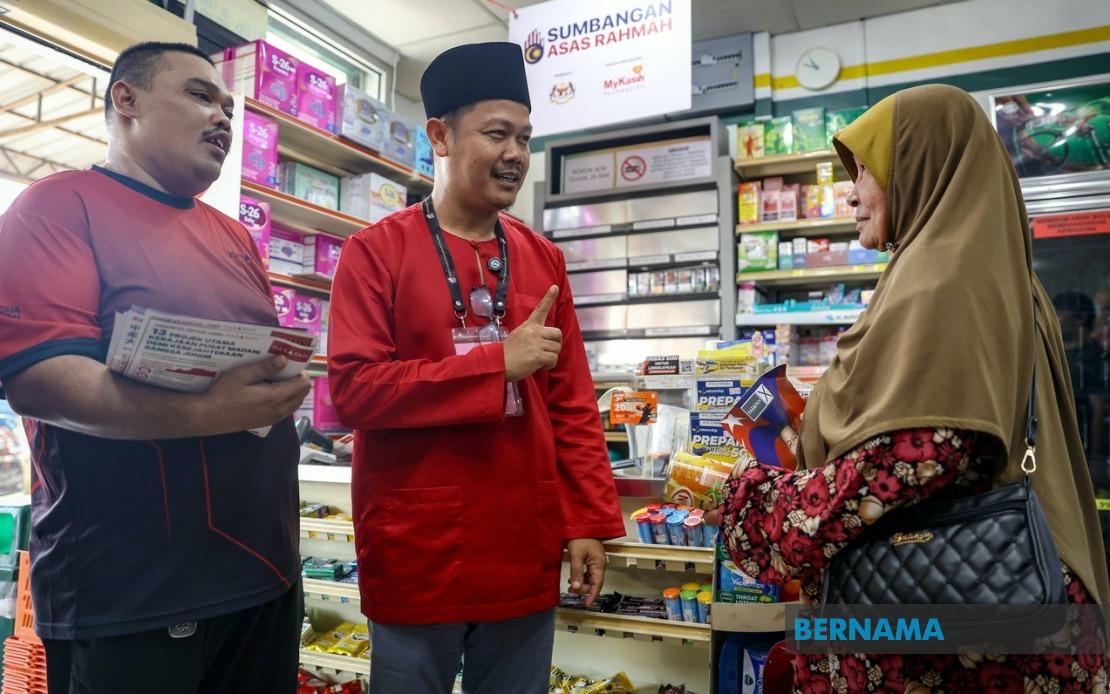
The grassroots engagement strategy Haniff has adopted reveals confidence in his ability to build momentum from direct voter contact. His walkabout approach and house-to-house campaign model echo the revival of ground-level politics that boosted Pakatan Harapan's fortunes in the 2018 general election and subsequent state contests. Johor presents particular challenges for the opposition coalition, however, as Barisan Nasional has traditionally maintained organisational advantages in rural constituencies. Haniff's invocation of the 2018 success—when PH won the Pulai Sebatang seat—signals hope that the political environment remains fluid enough to replicate that outcome, though the intervening years have seen significant shifts in voter registration and local demographics.
Hasrunizah's campaign messaging emphasises tangible delivery on long-standing community requests. The proposed expansion of Pontian Hospital represents the type of concrete infrastructure investment that often resonates powerfully with voters, particularly in constituencies where healthcare access remains a serious concern. Her claim that approval has been granted for a new hospital block and that procurement is underway attempts to convert a promise into evidence of progress. This approach typifies the Barisan Nasional campaign strategy across rural Johor: emphasise what has been built and what is in pipeline rather than abstract visions of potential.
The issue of village road construction projects further illustrates Hasrunizah's incremental delivery focus. By identifying 75 applications and completing 50 of them during her tenure since 2022, she has created a visible legacy of infrastructure development that local residents encounter daily. The commitment to finish the remaining 25 projects by the next term provides continuity messaging that appeals to voter fatigue with electoral promises. For constituents who value tangible improvements to their immediate environment, this record-driven approach carries psychological weight regardless of broader economic strategy.
Welfare and assistance programmes form another pillar of Hasrunizah's re-election platform. The Kasih Johor assistance scheme, alongside housing aid and first-home ownership initiatives, target the economic vulnerabilities that shape voter behaviour in rural constituencies. These programmes address concrete financial pressures facing working-class and lower-middle-class households—mortgage affordability, utility costs, and emergency cash needs. By positioning herself as an administrator of benefits flowing from the state government, Hasrunizah leverages the incumbent's advantage of visible resource distribution.
The presence of Pontian Member of Parliament Datuk Seri Ahmad Maslan at Hasrunizah's campaign events signals the coordination between federal and state-level Barisan Nasional machinery. Ahmad's endorsement of both Hasrunizah and Benut candidate Datuk Mohd Sumali Reduan as educationally qualified and experienced administrators attempts to rebrand Barisan Nasional as a competent technocratic force rather than merely a custodian of patronage. This messaging strategy acknowledges the sophistication of modern Johor voters, who increasingly evaluate candidates on professional credentials and demonstrated administrative capacity.
The election also reflects broader dynamics of Malaysian state politics where rural constituencies increasingly function as battlegrounds between development models. Haniff's emphasis on strategic investment and economic transformation appeals to voters seeking to avoid economic stagnation and marginalisation as Malaysia's economy continues to evolve. Conversely, Hasrunizah's focus on incremental improvements and welfare protection appeals to voters whose primary concern is maintaining living standards and accessing state support systems. Both approaches contain validity, and the contest ultimately hinges on which vision more convincingly addresses voter anxieties about the future.
Campaign methodology differences also merit attention. Hasrunizah's combination of traditional campaigning with social media outreach reflects the reality that even rural Malaysian constituencies now inhabit a hybrid information environment where word-of-mouth, community gatherings, and digital communication all shape voter perception. Haniff's emphasis on personal engagement and walkabouts may generate stronger qualitative feedback but potentially reaches smaller absolute numbers compared to coordinated digital campaigns. The effectiveness of each approach will partly depend on demographic composition and digital penetration rates within Pulai Sebatang's voting population.
The timing of the election carries significance. Early voting on July 7 allows voters unable to cast ballots on election day to participate, expanding the potential electorate. For candidates with strong on-ground organisations, early voting periods often present opportunities to mobilise committed supporters. Both Barisan Nasional and Pakatan Harapan have invested resources in understanding early voting patterns, as these cohorts sometimes exhibit different preferences from general election-day voters.
For Malaysian observers watching Johor's political trajectory, the Pulai Sebatang contest offers microcosmic insight into larger questions about the state's political direction. Johor has historically served as Barisan Nasional's bedrock, yet recent elections have demonstrated the coalition's vulnerability in certain constituencies. Whether Haniff can recapture the seat for Pakatan Harapan or whether Hasrunizah consolidates it for Barisan Nasional will influence calculations about the broader state result and potentially signal shifting voter sentiment in rural Johor communities facing economic uncertainty and modernisation pressures.

