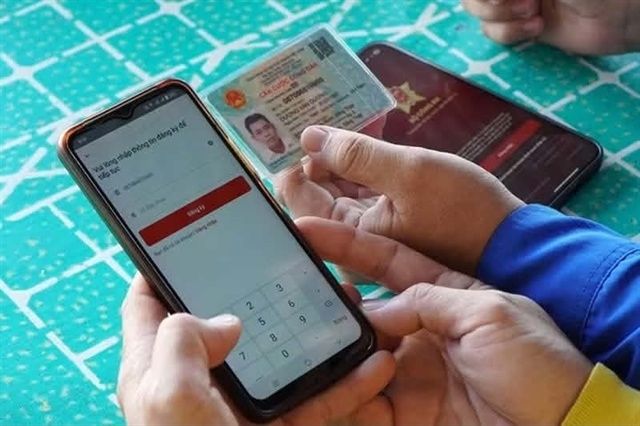
Vietnam has significantly broadened access to its electronic identification infrastructure by extending eligibility to foreign nationals who lawfully reside in or enter the country. Under a freshly enacted government decree reported by Vietnam News Agency, these individuals can now apply for electronic identification accounts at any classification level—a move that signals the nation's commitment to digital integration across its population and workforce.
The decree represents a meaningful shift in Vietnam's approach to digital governance and financial inclusion. As Southeast Asia continues its digital transformation, neighbouring countries including Malaysia have invested heavily in enabling mobile wallets, digital banking, and e-commerce platforms. Vietnam's expansion of e-ID eligibility to foreign residents positions the country to compete more effectively in attracting international talent and facilitating cross-border business activity. The measure removes a previous barrier that had restricted such services to citizens alone, acknowledging the growing significance of foreign professionals, entrepreneurs, and their families within Vietnam's economic landscape.
The new framework introduces practical efficiencies by amending how documentation requirements operate within the system. Organizations and individuals no longer need to repeatedly submit documents when relevant information has already been consolidated within the national database. This streamlined approach reflects modern digital governance principles, reducing bureaucratic friction that had previously characterized Vietnam's administrative processes. For businesses operating across the region—including Malaysian enterprises with operations in Vietnam—such efficiency gains translate directly into faster account activation and reduced compliance overhead.
Vietnamese citizens aged six and above holding valid citizen identity cards now qualify for Level 1 or Level 2 electronic identification accounts upon application. Children under six who have been issued identity cards can access Level 1 accounts. This tiered structure accommodates different security and functionality requirements across age groups, mirroring approaches adopted by other Southeast Asian nations. The system acknowledges that younger users require different protections while still enabling digital participation from an early age.
Domestically registered agencies and organizations operating throughout Vietnam similarly gained eligibility to obtain electronic identification at any level, expanding the decree's scope beyond individuals. This institutional access proves particularly valuable for enterprises managing digital transactions, regulatory compliance, and inter-agency communications. Malaysian-based companies with Vietnamese subsidiaries or operations will find such provisions particularly relevant as they navigate administrative requirements and digital service integration.
The decree's most transformative element involves integrating an extensive catalogue of documents into Vietnam's national identification application. The framework encompasses 66 distinct document categories issued to individuals, ranging from fundamental certificates like birth records and residence verifications to specialized credentials including vehicle registrations, driving licenses, and investment permits. This comprehensive approach consolidates critical documentation into a single digital platform, reducing the need for citizens and residents to maintain multiple physical records or navigate fragmented government databases.
Organizations face an equally expansive list of 140 document types eligible for integration, including certificates of seal specimen registration, business licenses, and export-import credentials. Such breadth demonstrates Vietnam's ambition to create a genuinely unified digital identity ecosystem. For regional companies engaged in import-export operations or establishing Vietnamese operations, having business credentials digitally verified and instantly accessible through a centralized platform dramatically accelerates compliance verification and inter-agency reporting.
The decree's scope extends to sensitive credentials that traditionally required physical presentation. Ordinary passports and visa documentation now qualify for integration into the electronic system, though the implementation will likely involve careful security protocols. This integration has significant implications for cross-border mobility and temporary worker programs, particularly relevant in Southeast Asia where labour mobility between Vietnam and neighboring nations continues expanding. Foreign workers and professionals can maintain digitally verified proof of their legal status without constantly producing original documents.
Implementation commences on September 28, 2026, providing Vietnamese authorities and participating organizations considerable preparation time. This phased approach allows for comprehensive system testing, security validation, and stakeholder coordination before full rollout. For Malaysian entities planning medium-term Vietnamese operations, this timeline offers clarity for digital strategy planning and compliance preparation.
The decree's extension to foreign nationals reflects broader regional trends toward inclusive digital governance. Thailand, Indonesia, and the Philippines have similarly pursued digital identity frameworks encompassing non-citizen populations, recognizing that comprehensive digital infrastructure strengthens economic competitiveness and facilitates legitimate cross-border activity. Vietnam's decision aligns the nation with these regional developments while addressing practical realities of international business operations and expatriate communities.
From a Southeast Asian perspective, Vietnam's expansion of electronic identification represents an important data point in the region's digital maturation. As ASEAN nations pursue digital economy integration through initiatives like the ASEAN Digital Master Plan, individual country actions to democratize digital access and streamline administrative processes contribute toward regional interoperability goals. Vietnam's initiative may also pressure other nations to harmonize their approaches, potentially accelerating digital governance standardization across the association.

