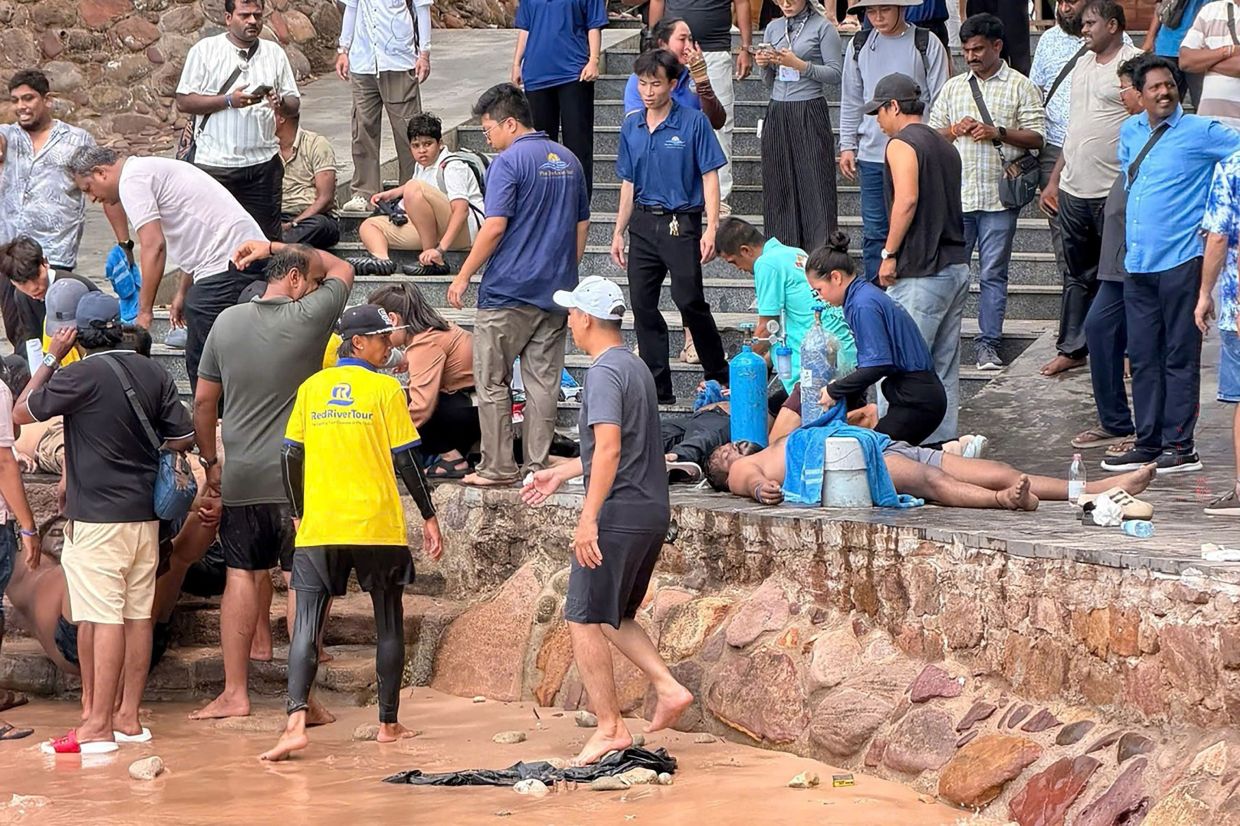
Vietnam's Prime Minister has ordered an urgent, comprehensive investigation into a devastating speedboat accident off Phu Quoc Island that claimed the lives of 15 Indian tourists on July 11, signalling the government's commitment to determining what went wrong and preventing future maritime disasters in the region. The high-level directive reflects the gravity of the incident, which has prompted immediate action across multiple government agencies and triggered diplomatic coordination between Hanoi and New Delhi to manage the aftermath of one of the deadliest tourist accidents involving foreign nationals in recent Vietnamese history.
The speedboat, which was carrying 32 Indian tourists along with four crew members and local guides, capsized near Hon May Rut Ngoai in the Phu Quoc Special Zone. Among the victims were 13 men and two women, while 21 people were rescued from the water. The incident has raised urgent questions about safety protocols and regulatory oversight in Vietnam's growing maritime tourism sector, which has become an increasingly important revenue stream for coastal provinces seeking to capitalise on international visitor arrivals in Southeast Asia.
In his official dispatch, the Prime Minister extended formal condolences to the bereaved families and stressed the need for all available medical resources and pharmaceutical supplies to be mobilised immediately to treat the injured survivors. This emphasis on comprehensive medical response underscores the Vietnamese government's awareness that the human cost of such accidents extends beyond fatalities to encompass the physical and psychological trauma experienced by survivors, whose long-term recovery will require sustained medical attention and psychological support.
An Giang Province, the administrative authority responsible for Phu Quoc Island, has been designated as the lead agency to coordinate the investigation and assessment of what caused the capsizing. The province must work in conjunction with relevant national and local agencies to identify systemic failures, regulatory gaps, or negligence that may have contributed to the disaster. This distributed responsibility model, while typical of Vietnamese bureaucratic responses, places significant pressure on provincial authorities to demonstrate competence and thoroughness in their findings.
The Ministry of Public Security has been tasked with conducting an urgent, rigorous investigation to establish the precise cause of the accident and to determine whether any individuals or organisations violated safety laws or regulations. This assignment carries particular weight because it signals that the government is prepared to pursue criminal accountability if negligence or misconduct is uncovered. The stringency of this investigation will be closely watched by international observers and Vietnamese civil society as an indicator of the government's willingness to enforce maritime safety standards.
Beyond the immediate investigation, the Ministry of Construction has been directed to undertake a comprehensive review and inspection of safety measures governing inland waterway and maritime traffic not only in the area where the accident occurred but also in similar maritime zones throughout Vietnam. This broader mandate suggests recognition that the problem may not be isolated to Phu Quoc but could reflect systemic inadequacies in how Vietnam regulates and monitors tourist boat operations across multiple coastal regions. Such a sweeping review could lead to significant changes in how speedboat tours are licensed, operated, and supervised.
The Ministry of Foreign Affairs has been instructed to maintain close coordination with the Indian Embassy in Vietnam regarding consular matters, protection of Indian citizens, and all issues related to the deceased and injured. This diplomatic dimension is crucial not only for managing the immediate crisis but also for preserving bilateral relations between Vietnam and India, both of which are increasingly important players in Southeast Asian geopolitics and regional economic cooperation. How effectively Vietnam handles this tragedy could influence Indian tourist confidence in Vietnamese destinations and broader bilateral ties.
The Indian Embassy responded swiftly by releasing an official list of the 32 citizens who were aboard the speedboat, identifying them as comprising 30 men and two women. The embassy also established two contact points in Ho Chi Minh City and Hanoi to provide assistance to affected nationals, their families, and those seeking information about the victims. This rapid diplomatic response reflects India's institutional readiness to support its nationals abroad and suggests coordination between Indian and Vietnamese authorities to manage the crisis transparently.
The incident raises broader questions about safety standards in Vietnam's rapidly expanding maritime tourism industry. As regional tourism continues to surge, driven by increasing middle-class travel from India, China, and other Asian nations, questions persist about whether regulatory frameworks have kept pace with demand. Phu Quoc, as a major tourist destination, has experienced explosive growth in recent years, and this accident suggests that infrastructure development and visitor volumes may have outpaced adequate safety oversight and enforcement mechanisms.
For Malaysia and other Southeast Asian nations, the Phu Quoc disaster serves as a cautionary reminder of the importance of maintaining robust maritime safety standards even as tourism sectors expand. The incident demonstrates how quickly an ordinary tourist activity can transform into a major tragedy, with implications that ripple through diplomatic channels and public confidence in regional safety. Malaysian authorities overseeing similar maritime tourism operations may examine their own protocols in light of Vietnam's experience, ensuring that rapid growth does not come at the cost of essential safety precautions.
The investigation's findings will likely influence how Vietnam regulates maritime tourism going forward and may establish precedents for how accidents involving foreign nationals are handled administratively and diplomatically. The outcome could also affect insurance requirements, licensing standards, and crew training protocols across the region, potentially reshaping how speedboat and maritime tourism operators conduct business throughout Southeast Asia. How thoroughly and transparently Vietnam handles this investigation will demonstrate its commitment to both public safety and maintaining the trust of international visitors at a time when regional tourism competition is intensifying.
The human tragedy of 15 deaths represents not only a loss for Indian families but also a potential turning point for how Vietnam approaches safety governance in its booming tourism sector. The Prime Minister's comprehensive directive suggests official recognition that the accident was not merely an isolated misfortune but rather a symptom of gaps in regulatory oversight that demand systematic correction. The coming weeks will reveal whether this directive translates into meaningful reforms or becomes merely a bureaucratic response that fails to prevent similar incidents.

