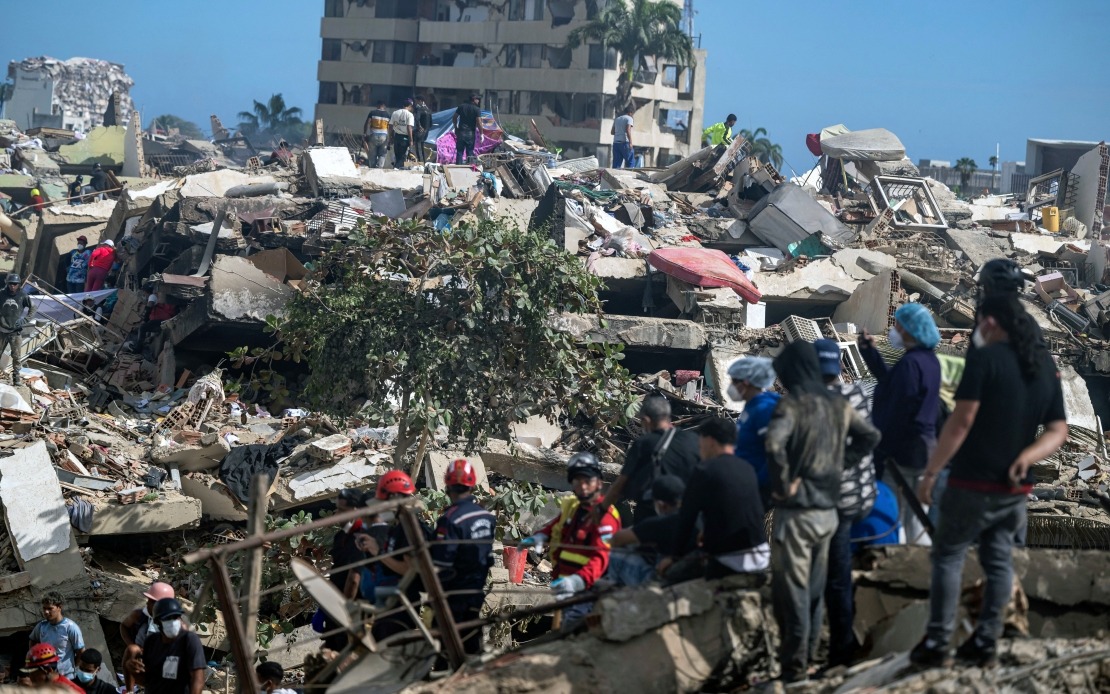
Venezuela faces an unprecedented humanitarian crisis following the twin earthquakes that devastated its northern region on June 24, with the confirmed death toll now standing at 2,295 according to an announcement made by National Assembly President Jorge Rodriguez on Wednesday. The disaster has inflicted widespread suffering across the country, leaving thousands homeless and overwhelming local emergency services despite the mobilisation of resources from dozens of international partners.
The scale of human suffering extends well beyond the confirmed fatalities. Official records indicate that 11,267 people have sustained documented injuries ranging from minor wounds to critical trauma requiring specialised medical intervention. Additionally, approximately 12,841 individuals have been displaced from their homes, compounding the humanitarian dimension of the crisis as families struggle to secure temporary shelter and access essential supplies in the immediate aftermath of the seismic events.
The initial pair of earthquakes, measuring magnitudes 7.2 and 7.5 respectively, have been followed by an intense sequence of aftershocks that has continued to jeopardise rescue operations and structural integrity throughout the affected zones. Electoral and municipal records document that 782 aftershocks have been recorded since the initial seismic doublet, though seismologists have confirmed that both the frequency and underground intensity of these tremors have steadily declined over the preceding 48 hours. This gradual reduction in seismic activity, while providing some reassurance to residents and rescue workers, remains a concern given the structural damage already inflicted on buildings throughout the region.
Authorities have cautioned that despite encouraging trends in seismic activity, the threat has not entirely dissipated. Rodriguez emphasised the ongoing risks posed by compromised concrete masonry and unstable structures, urging the public to exercise continued vigilance and adhere to evacuation protocols until structural engineers can properly assess damaged buildings. This warning reflects the reality that secondary collapses remain a significant danger during the extended recovery phase following major seismic events.
The physical destruction wrought by the earthquakes has been staggering in scope. According to preliminary assessments of satellite data published by the National Aeronautics and Space Administration (NASA), more than 58,000 buildings sustained damage or experienced complete destruction across the affected northern territories. Such widespread structural damage typically renders entire neighbourhoods temporarily uninhabitable and creates significant challenges for utilities providers attempting to restore essential services including water, electricity, and sanitation infrastructure.
Emergency responders have demonstrated remarkable effectiveness in extracting survivors from collapsed structures despite the challenging conditions. More than 4,000 emergency personnel deployed across multiple impact zones have successfully rescued 6,461 people from collapsed buildings and rubble, representing a significant achievement given the magnitude of destruction and the ongoing aftershock hazard. These rescue efforts have involved sophisticated search and rescue techniques, heavy machinery, and coordinated logistics networks established across the disaster zone.
The international response to Venezuela's catastrophe has been substantial and coordinated. Rescue teams representing more than 30 countries have continued intensive search and recovery operations throughout Wednesday, deploying specialist personnel, canine units, and detection equipment to identify survivors and recover remains from beneath collapsed structures. This multinational effort reflects the humanitarian imperative recognised by the international community to assist Venezuela during this critical period of national emergency.
The United Nations has mobilised resources to support the identification and dignified handling of deceased individuals, with reports indicating that 10,000 body bags have been acquired to address the expected mortalities. This logistical undertaking, whilst grim in its implications, represents a necessary component of managing the humanitarian consequences of such a large-scale disaster and ensuring respectful treatment of the deceased whilst enabling families to conduct appropriate burial ceremonies.
For Southeast Asian observers, Venezuela's experience offers sobering reminders of the earthquake risks that nations throughout the Pacific Ring of Fire and Asian seismic zones must confront. The rapid casualty escalation, the challenge of coordinating rescue operations across compromised infrastructure, and the extended timeline for recovery all underscore the importance of investment in earthquake preparedness, building code enforcement, and early warning systems. Malaysia and neighbouring countries, whilst less prone to major seismic activity than some regions, should draw lessons from Venezuela's experience regarding disaster response readiness and international coordination mechanisms.

