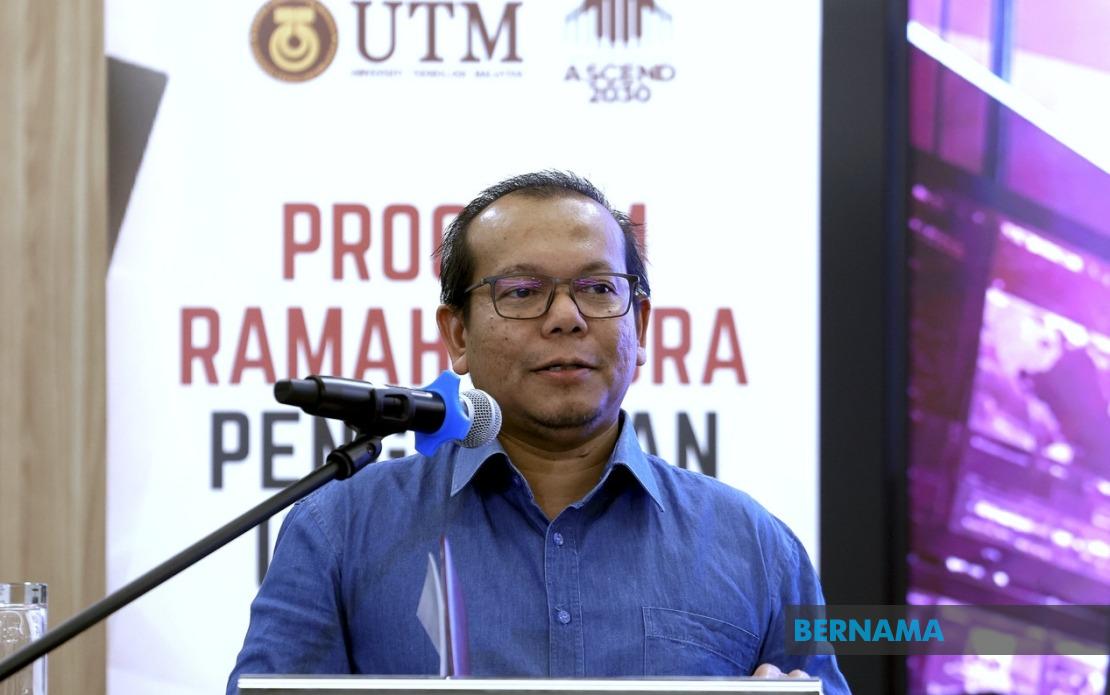
Universiti Teknologi Malaysia is moving to fortify its relationship with the media sector, recognizing that effective collaboration stands as a bulwark against misinformation and reputational threats facing Malaysia's higher education system. Vice-Chancellor Prof Dr Mohd Shafry Mohd Rahim articulated this vision during a University Management's Media Networking Session, emphasizing that sustained cooperation between academic institutions and news organizations is fundamental to ensuring the public receives accurate, well-sourced information grounded in research and scholarly expertise.
The urgency of this initiative reflects a growing concern within Malaysia's university sector. Higher education institutions increasingly confront challenges rooted in unsubstantiated claims and unfounded criticism that can severely damage institutional credibility accumulated over decades. What distinguishes this vulnerability is the speed with which reputational harm can occur—a university may invest years in building public trust, only to see it eroded rapidly by a single wave of inaccurate reporting or deliberate misinformation campaigns. The stakes are particularly high given the critical role universities play in driving national development, innovation, and knowledge creation.
Prof Mohd Shafry stressed that prompt, fact-based communication represents the most effective antidote to this problem. By establishing closer working relationships with media practitioners and news organizations, universities can ensure that accurate explanations and corrections reach the public swiftly, before false narratives take root. This approach acknowledges a fundamental reality: journalists and editors require reliable access to institutional sources and verified information to fulfill their responsibility to report truthfully. When universities remain distant or opaque, media outlets may rely on incomplete information or third-party accounts that lack institutional perspective.
The event brought together key stakeholders, including Bernama—Malaysia's primary national news agency—represented by Chief Executive Officer Datin Paduka Nur-ul Afida Kamaludin and Acting Deputy Editor-in-Chief (Economic News Service) Harlina Samson. This participation underscores the significance both the university sector and official media channels place on improving information flow and combating the spread of false claims that could undermine public confidence in Malaysia's educational institutions.
UTM has committed to more than passive cooperation. The university plans to actively equip media professionals with enhanced skills and knowledge, particularly in emerging technological domains. Training programmes focused on artificial intelligence represent a strategic investment, recognizing that journalists increasingly encounter complex stories involving AI, data science, and advanced research that require specialist understanding to report accurately. By offering such programmes to media practitioners, UTM positions itself as a knowledge partner rather than merely a source of information.
Further strengthening this partnership, UTM intends to expand journalists' access to its academic experts and professors across various disciplines. Making these subject-matter specialists readily available as reference sources enables reporters to seek authoritative perspectives during their news gathering process. This accessibility model reduces reliance on speculation or secondary sources and elevates the quality of technology, science, and education reporting across Malaysian media outlets. The move also benefits the academic community by increasing the visibility of university research and its real-world applications among the broader public.
The university is simultaneously developing institutional mechanisms to streamline the dissemination of its research findings and innovations through media channels. Rather than allowing important discoveries to remain confined within academic circles or specialist publications, these mechanisms will facilitate faster, broader communication of UTM's contributions to solving societal challenges. Such proactive communication strengthens the public's understanding of how university research translates into practical benefits and societal progress.
From a regional perspective, this initiative carries significance for Southeast Asia's higher education landscape. Malaysia has positioned itself as a regional hub for education and research, attracting international students and fostering cross-border academic collaboration. However, the credibility of this sector depends on public confidence in Malaysia's universities. Misinformation campaigns or reputational damage affecting major institutions like UTM can ripple across the region, affecting partnerships with universities in neighbouring countries and deterring international talent. By proactively managing information dissemination and combating false narratives, UTM sets an example that other regional institutions may emulate.
Prof Mohd Shafry expressed confidence that sustained collaboration would strengthen Malaysia's entire higher education ecosystem while elevating UTM's standing internationally. This broader vision recognizes that individual institutional reputation and the collective strength of Malaysia's university sector are interconnected. When universities work effectively with media to communicate their research, mission, and contributions, the entire sector benefits from enhanced public understanding and support. This becomes particularly important when universities seek increased research funding, policy support, or legislative backing for expanded programmes.
The collaboration also addresses a critical gap in Malaysia's information landscape. As digital platforms proliferate and traditional media consolidation continues, ensuring that university expertise reaches the public through reliable, professional journalistic channels becomes more challenging. By working directly with established news organizations like Bernama, UTM helps maintain pathways through which credible academic information reaches Malaysian audiences through trusted sources. This is especially important for research with policy implications or direct public interest, from health and environmental studies to engineering innovations and social science research.
Looking forward, this partnership model may influence how other Malaysian universities approach media relations. Universities that recognize the value of proactive, transparent communication with journalists and media organizations will likely enjoy stronger reputational protection and greater public understanding of their missions. The initiative also signals to media organizations that Malaysian universities are willing partners in the pursuit of accurate, quality reporting—a shift from older models where academic institutions maintained more guarded relationships with the press.
Ultimately, this strengthened collaboration serves the broader national interest. An informed public that understands the research, innovations, and contributions emanating from Malaysia's universities becomes more likely to support policies that strengthen higher education. Students gain clearer visibility into educational opportunities and institutional strengths. Policymakers receive better information to guide decisions affecting the sector. And society benefits from accelerated knowledge transfer from university research labs and classrooms into practical applications that address real-world challenges facing Malaysia and the region.

