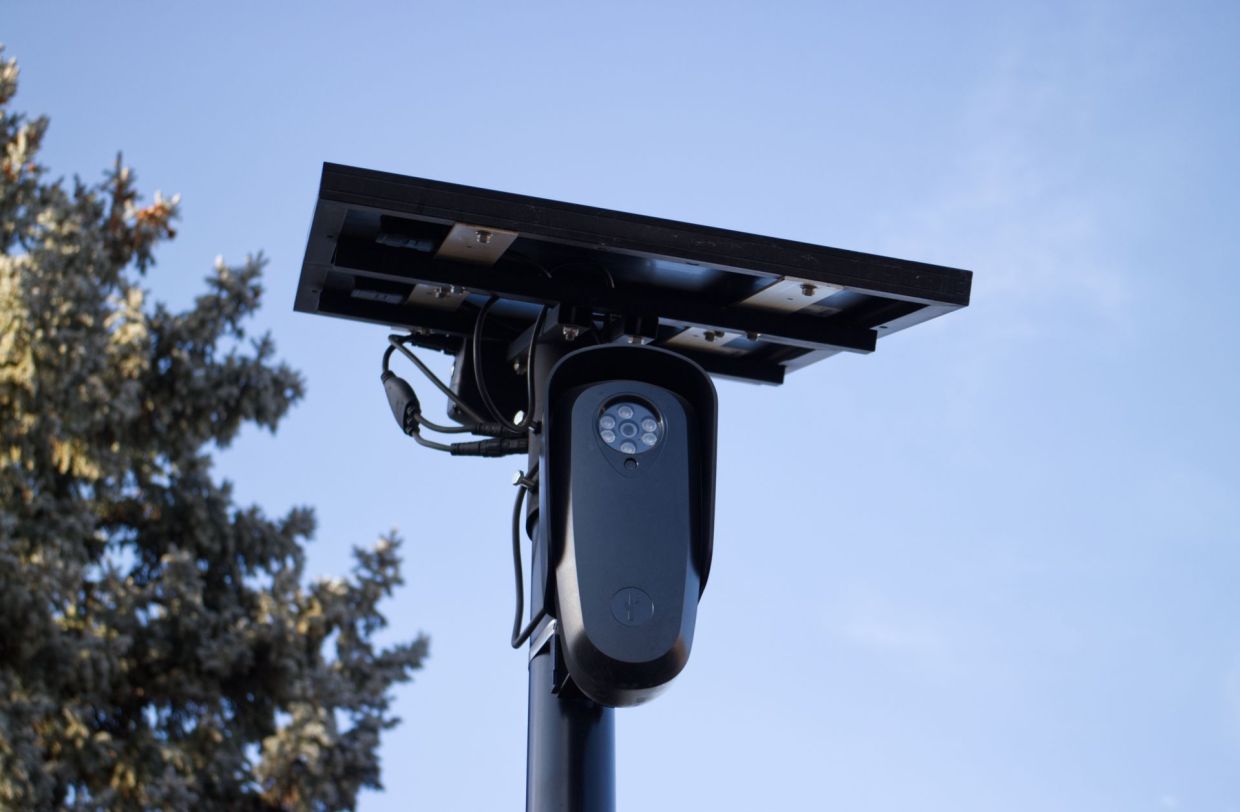
The United States is witnessing an unusual convergence of political opinion as ordinary Americans mobilize against Flock Safety, a company that has deployed thousands of automatic license plate reading cameras across the country. What began as scattered concerns about privacy has evolved into a coordinated movement that is forcing municipal governments to reconsider their surveillance arrangements, drawing support from ideologically diverse constituencies united by worries about unchecked state monitoring.
The technology at the heart of the controversy works quite differently from traditional surveillance systems. Rather than recording continuous video footage, Flock cameras capture still images of vehicles, extracting and storing data such as license plate numbers, vehicle make and model, colour, and distinctive markings. This information is uploaded to Flock's cloud servers where it can be retained for up to a month and shared among police departments, sometimes crossing state lines. Law enforcement agencies argue the system is invaluable for solving crimes quickly, while critics contend it enables the kind of mass tracking that threatens fundamental freedoms in a democratic society.
The escalating frustration with this surveillance infrastructure has manifested in increasingly visible ways. A young activist known online as Nomark, just 20 years old, has become the public face of direct action against the cameras. After systematically disabling approximately thirty devices in the Minneapolis area, he documented his methods for his 500,000 Instagram followers, creating instructional content on how to render the equipment inoperative. Nomark has acknowledged the growing boldness that comes with repeated action, noting that his initial anxiety about the consequences has substantially diminished through continued engagement in sabotage. Though such vandalism clearly violates the law, similar acts of equipment destruction have proliferated nationwide over recent weeks, suggesting a widening network of individuals willing to take legal risks in pursuit of what they view as necessary resistance.
The organized component of this resistance demonstrates remarkable scale and sophistication. The Facebook group DeFlock America has amassed over 600,000 members and continues to attract thousands of new supporters daily. Within these online spaces, activists have constructed crowdsourced databases mapping camera locations, shared techniques for obstructing lenses, and celebrated individuals arrested for destroying the devices. This elevation of vandals to folk hero status reflects deeper frustrations that transcend typical political divides. The movement has attracted support from libertarian conservatives wary of government overreach, progressives concerned about civil liberties, and left-leaning privacy advocates, creating an alignment rarely witnessed in contemporary American politics.
The legitimate concerns fueling this opposition rest on documented cases of surveillance abuse. An investigation by The Washington Post found that at least fifty police officers have been accused of misusing the Flock system, predominantly to monitor the movements of romantic partners or former partners. Additional reporting has revealed instances where law enforcement deployed the technology to track women who obtained abortions in states where the procedure is illegal, and cases where officers unlawfully transferred data to immigration enforcement agencies. Such documented abuses lend credibility to warnings that the system creates powerful opportunities for violations of privacy and due process, particularly for vulnerable populations.
Law enforcement agencies argue the technology is essential for rapid crime investigation. Richmond, Virginia police official Jon Bridges has explained that detectives routinely query the Flock database for practically any incident involving a vehicle. His department, which has relied on the system since 2023, points to a concrete example: during the May investigation of a domestic double homicide, officers used license plate data to quickly identify and apprehend a suspect who had fled in a pickup truck. Other police departments cite similar successes in solving cases that might otherwise require substantially more resources and time. Yet opponents contend that such benefits, however real, do not justify the systematic monitoring infrastructure that has been constructed, arguing that warrantless vehicle tracking fundamentally violates constitutional protections against unreasonable searches.
The political dimensions of this conflict have crystallized in unexpected ways. Tucker Carlson, the conservative media figure, has publicly described those vandalizing cameras as "decent, patriotic Americans" exercising justified resistance, language that elevates the movement beyond fringe activism. The American Civil Liberties Union's senior policy counsel Chad Marlow has characterized the grassroots mobilization as "stunning" in its rapid growth and organizational capacity. This convergence of support across the political spectrum suggests that concerns about surveillance technology represent a genuine point of consensus in an otherwise deeply polarized national landscape.
Though direct action remains illegal and contentious, the movement has pursued parallel strategies through more conventional democratic channels. Activist groups and concerned citizens have engaged local officials, meeting with city council members and mayors to advocate for terminating municipal contracts with Flock. These quieter advocacy efforts have proven remarkably effective. According to tallies maintained by the ACLU, more than seventy municipalities across the country—ranging from major cities like Los Angeles to smaller Virginia towns—have ended their relationships with the surveillance company in recent months. This success in local politics demonstrates that voter pressure can overcome what many perceived as inevitable expansion of monitoring infrastructure.
The company itself has adopted a confrontational posture toward its critics. Flock CEO Garrett Langley has accused opponents of the technology of being "terrorists," inflammatory language that has likely hardened opposition rather than assuaged concerns. This rhetorical escalation has further polarized an already contentious debate, casting the dispute as something more fundamental than a disagreement about surveillance policy.
For Southeast Asian observers, the American experience offers instructive parallels and contrasts. Malaysia and other regional nations have deployed or considered similar automated surveillance technologies. The American backlash demonstrates how societies that value democratic participation will increasingly demand oversight and accountability for surveillance systems, even when framed as necessary for public safety. The ability of grassroots movements to mobilize across political lines and force governmental reconsideration of surveillance expansion suggests that technical capacity alone does not determine outcomes—public will and organized resistance remain consequential factors. As Malaysia navigates its own conversations about surveillance infrastructure and civil liberties, the American experience illustrates both the tensions inherent in balancing security and freedom, and the possibility that sustained popular mobilization can reverse or constrain expansions of state monitoring power.

