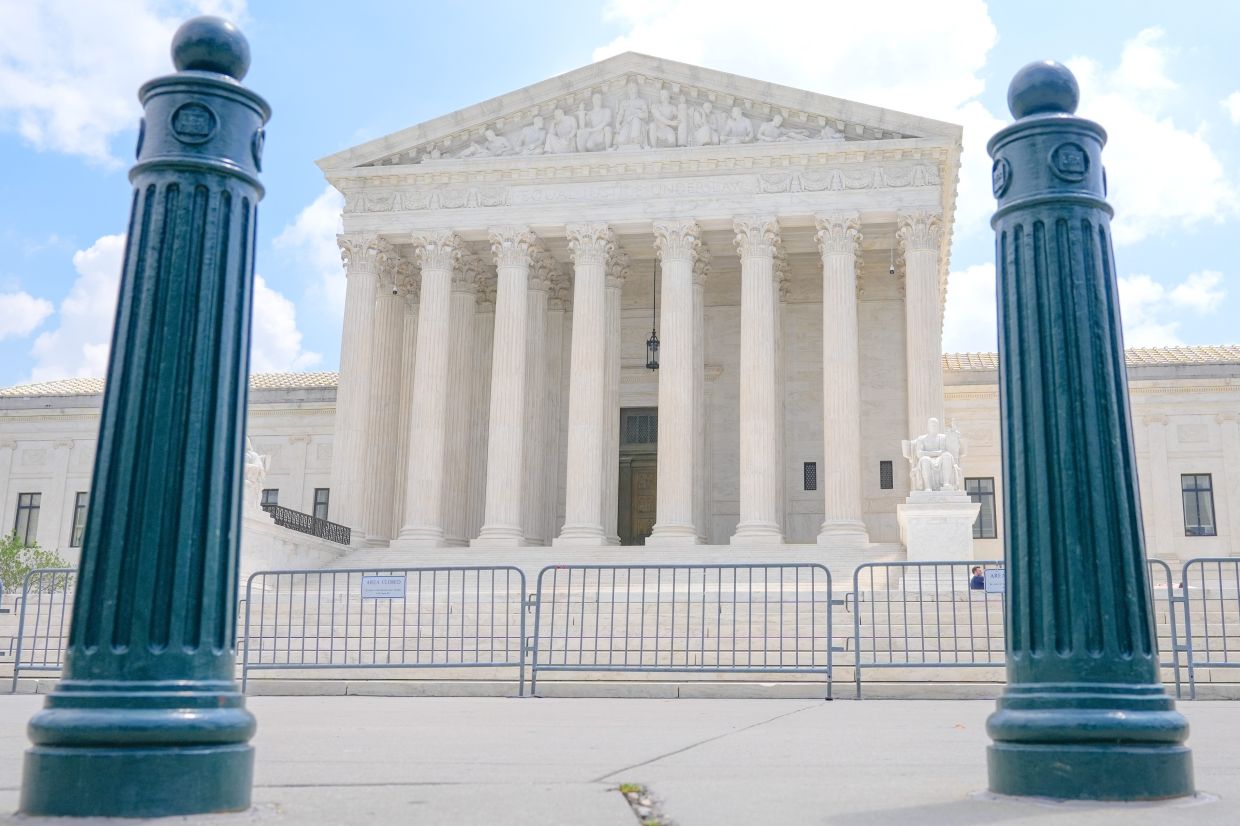
The United States Supreme Court has declined to intervene in a closely watched dispute over Texas's controversial law requiring age verification before users can download applications, effectively allowing the measure to proceed. Justice Samuel Alito issued brief orders rejecting emergency requests from groups seeking to prevent the law's implementation, marking a significant victory for Texas in its effort to regulate digital content access for minors. The decision comes as the tech industry and civil rights advocates increasingly clash with state governments attempting to impose stricter controls over online platforms and digital marketplaces.
The Texas App Store Accountability Act has become a flashpoint in the broader debate over balancing child protection against digital freedoms. The law mandates that application stores implement age verification mechanisms, ostensibly to shield children from inappropriate content and predatory data collection practices. Supporters argue that parents deserve assurance that their children cannot easily access potentially harmful applications without their knowledge or consent. The measure reflects growing parental concerns about data privacy, exposure to explicit material, and the addictive design features embedded in many popular applications targeting young users.
A three-judge panel from the 5th US Circuit Court of Appeals had previously greenlit the law in June, overturning a district court's December ruling that declared it unconstitutional. The appellate panel's decision to suspend the lower court's injunction allowed Texas to move forward with implementation, though the broader constitutional questions remain unresolved. This patchwork of conflicting rulings illustrates the legal uncertainty surrounding state-level tech regulation, where courts have increasingly divided on how existing constitutional frameworks apply to digital markets and online content distribution.
The Computer & Communications Industry Association and Students Engaged in Advancing Texas filed the petitions that Justice Alito rejected. These organizations contend that the law impermissibly restricts access to constitutionally protected material, including legitimate news reporting and educational resources. Their challenge targets what they characterize as the state's overreach in attempting to dictate how technology companies operate and how adults can access information. The plaintiffs argue that blanket age verification requirements effectively create barriers to speech and impose operational burdens that smaller app developers cannot easily absorb, potentially stifling innovation and limiting the diversity of available applications.
Attorneys representing Students Engaged in Advancing Texas emphasized in their filings that protecting First Amendment rights and parental autonomy represent core public interests. They contend that parents, not government bureaucrats, should determine which applications and content are appropriate for their children, framing the issue as one fundamentally about family decision-making rather than government regulation of technology. This argument resonates with libertarian and conservative constituencies who generally oppose government micromanagement of parenting decisions. However, the framing sidesteps questions about whether individual parents can realistically assess the complex data practices and psychological impacts of modern applications without regulatory guardrails.
Texas Attorney General Ken Paxton's office countered these arguments by emphasizing the genuine dangers that unchecked app access poses to children. State attorneys highlighted how young users can unknowingly download applications that harvest personal information, enable data sales, and expose them to inappropriate content without parental oversight. The state's lawyers characterized the age verification requirement not as censorship but as a common-sense protection mechanism analogous to existing age restrictions for movies, video games, and alcohol. This framing appeals to parental anxiety and positions Texas as defending vulnerable populations against corporate interests prioritizing profit over child safety.
The dispute reflects deeper tensions between technological innovation and regulatory control that increasingly characterize American federalism. Texas and other conservative-led states have become increasingly aggressive in regulating tech platforms, viewing federal inaction on issues like data privacy and child protection as an opportunity to impose their own standards. Conversely, tech companies argue that fragmented state regulation creates impossible compliance burdens and threatens the seamless functionality that defines modern digital services. This clash will likely intensify as more states contemplate similar legislation, potentially creating a patchwork of incompatible requirements that fundamentally reshape how digital services operate.
The Supreme Court's refusal to block the law, while not constituting a final judgment on its constitstitutionality, suggests at least some justices lack confidence in free speech challenges at this procedural stage. The decision may influence how lower courts approach similar legislation in other states. For Malaysian observers, the Texas case illustrates how different democracies grapple with regulating digital platforms in the interest of child protection. Southeast Asian governments, including Malaysia, have proposed or implemented their own content regulations and age verification requirements, often invoking child safety as justification. The US experience demonstrates both the genuine policy challenges of protecting minors online and the significant constitutional questions that arise when governments attempt to regulate digital marketplaces.
Looking ahead, the broader constitutional questions surrounding the Texas law remain unresolved. The 5th Circuit will likely hear full arguments on the merits, potentially leading to a decision that either upholds state authority to regulate app distribution or strikes down the law as an unconstitutional burden on speech. The outcome will significantly influence what other states can legally require of technology platforms. For the tech industry, the immediate consequence is that they must implement age verification systems in Texas regardless of the ongoing legal battles, imposing compliance costs and operational challenges. The episode underscores how state-level experimentation with tech regulation, even when facing legal challenges, can effectively reshape industry practices before courts render final judgments on constitutionality.

