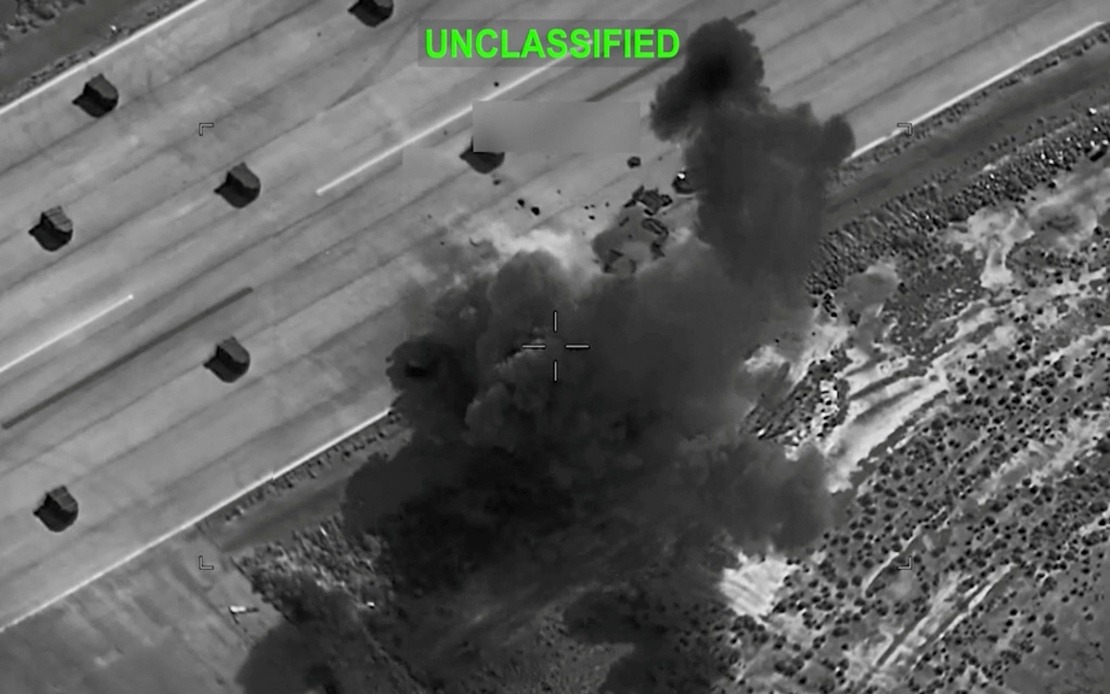
The Iranian Health Ministry has confirmed substantial casualties from American military strikes that struck five provinces across Iranian territory on July 8 and 9, 2026, during what officials described as an active ceasefire period. Ministry spokesman Hossein Kermanpour disclosed that the raids resulted in at least 14 fatalities and left 78 people injured, marking a significant escalation in regional tensions and raising serious questions about the viability of current diplomatic arrangements aimed at de-escalating Middle Eastern conflicts.
According to Kermanpour's statement released on the social media platform X, the strikes occurred despite existing ceasefires meant to reduce hostilities. Among those injured in the attacks, 47 individuals remained hospitalized as of the ministry's announcement, while the remaining wounded had been discharged following medical intervention. The precise number of casualties could potentially increase as additional details emerge from the affected regions and as medical facilities continue assessing the full extent of injuries from the multi-province assault.
The attacks targeting five separate Iranian provinces suggest a coordinated and geographically dispersed military operation rather than isolated incidents. This pattern of striking multiple locations across Iranian territory simultaneously indicates a significant deployment of military resources and represents a departure from previous limited engagements. The breadth of the operation raises concerns about potential further escalation, particularly given the stated existence of ceasefire agreements that were apparently not respected by the attacking party.
For Malaysian observers and policymakers, this incident carries broader implications for regional stability and the credibility of international ceasefires in the Middle East. Malaysia, as a Muslim-majority nation with substantial diplomatic interests across the region and significant trade relationships with various Middle Eastern countries, maintains careful balance in its foreign policy. The breakdown of ceasefire arrangements between major powers inevitably affects smaller nations' strategic calculations and regional security assessments.
The timing of these strikes during what Iran characterizes as an active ceasefire period presents a fundamental challenge to conflict resolution frameworks. Ceasefire agreements derive their effectiveness from mutual respect and adherence to their terms; violations during such periods undermine confidence in diplomatic processes and raise the likelihood of retaliatory actions. Iran's documented response through official health ministry channels suggests the government is treating these incidents as serious enough to warrant immediate public accounting, potentially to justify future policy responses to domestic and international audiences.
The geographic distribution of casualties across multiple provinces indicates that civilians in addition to military or strategic targets may have been affected. Health ministry statistics regarding hospitalized versus discharged patients suggest that medical infrastructure across these five provinces absorbed a significant sudden demand, potentially straining local healthcare systems. This dimension of the strikes highlights humanitarian concerns that extend beyond immediate military calculations and touch upon civilian welfare considerations recognized under international humanitarian law.
The announcement of these figures through social media represents a modern approach to diplomatic communication and rapid information dissemination, bypassing traditional diplomatic channels. This direct appeal to public audiences through platforms like X amplifies the incident's visibility and contributes to broader narratives about conflict in the region. For regional media and observers tracking Middle Eastern developments, such announcements serve as primary sources that shape international perception of events and inform policy discussions.
From a regional security perspective, incidents of this magnitude occurring during supposed ceasefires create unpredictable dynamics that extend beyond the two directly involved parties. Neighboring countries, including those in Southeast Asia with significant diaspora communities and trade partnerships in the Middle East, face increased uncertainty regarding the stability of the broader regional environment. This uncertainty can have practical implications for regional supply chains, energy markets, and security cooperation arrangements that indirectly affect Southeast Asian interests.
The confirmation of specific casualty figures by an official government ministry lends credibility to the reports, though the final death toll may change as recovery operations continue and additional information becomes available. The distinction between those hospitalized and those discharged provides insight into injury severity distribution, suggesting that while many sustained injuries, a substantial portion required ongoing medical care. This breakdown offers medical personnel and analysts crucial data for understanding the nature and intensity of the strikes.
The incident underscores persistent tensions in Middle Eastern geopolitics that resist diplomatic resolution despite repeated international efforts. For Malaysia and other nations seeking to promote peaceful conflict resolution through multilateral forums and dialogue, such developments reinforce the complexity of achieving lasting stability when major powers pursue military options. The challenge of verifying and enforcing ceasefire commitments remains a critical obstacle to regional peace efforts, as demonstrated by these attacks occurring during what one party characterizes as an active ceasefire arrangement.
Moving forward, the documented casualties and the breakdown in ceasefire enforcement will likely feature prominently in international discussions regarding Middle Eastern stability, arms control, and the responsibility of major powers to respect agreed-upon conflict management mechanisms. For Malaysian policymakers and analysts monitoring regional security, these developments warrant close attention to potential spillover effects and implications for international law, humanitarian concerns, and the broader architecture of regional peace efforts that affect Southeast Asian interests.

