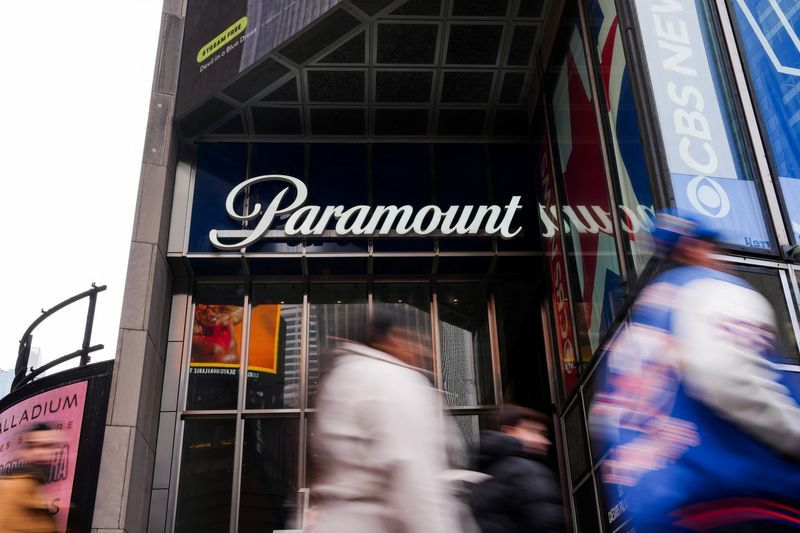
A coalition of 12 American states has mounted a legal challenge to the proposed merger between Paramount and Warner Bros Discovery, contending that the transaction would fundamentally reshape competitive dynamics in the entertainment industry to the detriment of local cinema operators and television providers. California Attorney General Rob Bonta, speaking from a podium positioned before the iconic Hollywood sign, articulated the states' core concern: that combining two of the nation's five major film distributors would grant the merged entity excessive leverage to extract unfavourable terms from theatrical exhibitors already grappling with a fragile recovery from pandemic-related disruptions.
The lawsuit, filed jointly by California, Oregon, New York, Minnesota, and eight other states, presents a detailed economic argument about how industry consolidation translates into tangible consumer harm. According to the complaint's analysis, the merged company would control more than 27 percent of the market in both theatrical film distribution and basic cable television. This concentration of power would fundamentally alter negotiating dynamics that have historically allowed theatre owners and cable providers to maintain some balance against the major studios. The states argue that with fewer independent distributors competing for screen space and subscriber access, the merged entity could impose terms that would previously have been commercially untenable.
Paramount's leadership has responded to the legal action by characterizing it as a fundamental misreading of contemporary entertainment market realities. In an official statement, the company argues that the lawsuit misapplies settled antitrust principles and misrepresents the competitive landscape. CEO David Ellison, who orchestrated the merger agreement, has suggested that blocking the transaction would harm entertainment workers who have already endured years of industry disruption from technological change. Paramount points out that California has already lost tens of thousands of entertainment jobs, and that further delays to the combination would only exacerbate employment challenges in the state's signature industry.
The financial pressure on Paramount to complete the transaction has intensified as months pass without regulatory approval. Ellison has committed to paying Warner Bros Discovery shareholders a quarterly "ticking fee" of 25 cents per share—approximately $650 million every three months—if the merger does not close before October. This escalating financial obligation creates acute pressure on both companies to navigate regulatory obstacles, though it also demonstrates how seriously the companies view the transaction's strategic importance to their long-term competitive positioning.
Theatre operators themselves have emerged as vocal opponents of the deal, with Cinema United, the industry's leading advocacy organisation, explicitly welcoming the states' legal action. Michael O'Leary, the group's president and chief executive, emphasised that further consolidation of studio power threatens the economic viability of independent and regional theatre chains that serve as cultural anchors for communities nationwide. His remarks highlight how film distribution consolidation carries implications that extend well beyond Hollywood's commercial interests, affecting the availability of entertainment venues in towns and cities across North America.
Anonymous sources within the independent theatre sector have articulated specific anxieties about how the merged studio could exploit its position. Theatre executives fear that a combined Paramount-Warner Bros entity would substantially increase the rental fees that cinemas must pay to exhibit blockbuster films—those tentpole releases that drive attendance during peak seasons. Historically, studios and theatres have split ticket revenue roughly equally, though studios commanding as much as 60 percent of proceeds for high-profile releases has become increasingly common. The prospect that a monopolistic distributor could push this ratio even further in studios' favour has prompted sources to speak anonymously, fearing commercial retaliation if they were publicly identified as opponents of the merger.
The complaint's economic analysis traces the consequences of prior consolidation in the entertainment sector. When Disney acquired entertainment assets from Fox in 2019, the combined company's theatrical output contracted significantly. Between 2015 and 2018, Disney and Fox jointly distributed 112 wide-release films across American cinemas. However, between 2022 and 2025, that number plummeted to just 54 releases. This reduction in content availability—a direct consequence of merger-related portfolio rationalisation—illustrates the tangible market outcomes that arise from industry consolidation. Fewer independent distributors mean fewer films competing for theatre time, which diminishes operators' bargaining power and their ability to negotiate equitable revenue arrangements.
Theatre operators already grapple with structural challenges that predate the current merger proposal. Box office performance, while recovering from pandemic lows, remains substantially depressed compared to pre-2020 levels. Year-to-date receipts in the United States and Canada totalled $5.1 billion in 2026, representing growth of 10.6 percent compared to the previous year but falling 16.3 percent short of 2019's pre-pandemic performance. This persistent shortfall has forced operators to compete aggressively for audiences through facility upgrades—investments in superior seating comfort, expanded concession offerings, and premium projection technologies that justify elevated ticket prices. If studio consolidation forces theatres to surrender larger revenue percentages, operators would face an impossible choice between accepting margin compression or reducing the very investments that distinguish theatrical experiences from streaming alternatives.
Bonta articulated the states' concern that the merger would ultimately harm consumers through higher prices and degraded experiences. As studios extract greater revenue shares from ticket sales, theatre operators would face mounting pressure to raise prices to maintain operational viability. Simultaneously, capital available for facility improvements would diminish, leaving patrons with less comfortable venues, smaller concession selections, and outdated projection systems. Cable television subscribers would face analogous pressures as the merged company's enhanced bargaining leverage against distributors translates into higher subscription costs.
The cable television dimension of the consolidation complaint reflects concerns about market power extending beyond theatrical distribution. The merged entity would combine prominent networks including CNN, TNT, Food Network, and HBO—assets that command substantial subscriber attention and advertising value. Television providers would lose the competitive leverage they currently exercise by playing one major content distributor against another. With a single company controlling such a diverse and valuable portfolio, cable operators would face circumstances where accepting unfavourable contract terms becomes commercially unavoidable.
Notably, the states' complaint does not challenge Paramount's intention to combine its Paramount+ streaming service with Warner Bros' HBO Max. This omission suggests that regulators and competing states recognise meaningful distinctions between theatrical and cable distribution concerns on one hand, and direct-to-consumer streaming on the other. The complaint's narrower focus on theatrical and pay-TV markets reflects the specific competitive vulnerabilities that define those sectors relative to the streaming landscape's different structural dynamics.
The litigation presents a significant test of antitrust enforcement priorities in the entertainment sector during an era of rapid technological and commercial transformation. The companies argue that traditional antitrust analysis inadequately accounts for how streaming competition has fundamentally altered the entertainment marketplace. States contend that concentration of power among theatrical and cable distributors creates specific harms regardless of broader competitive pressures from digital platforms. As the October deadline for the merger looms and quarterly ticking fees accumulate, regulators face mounting pressure to resolve questions about which competitive framework should govern entertainment industry consolidation decisions.

