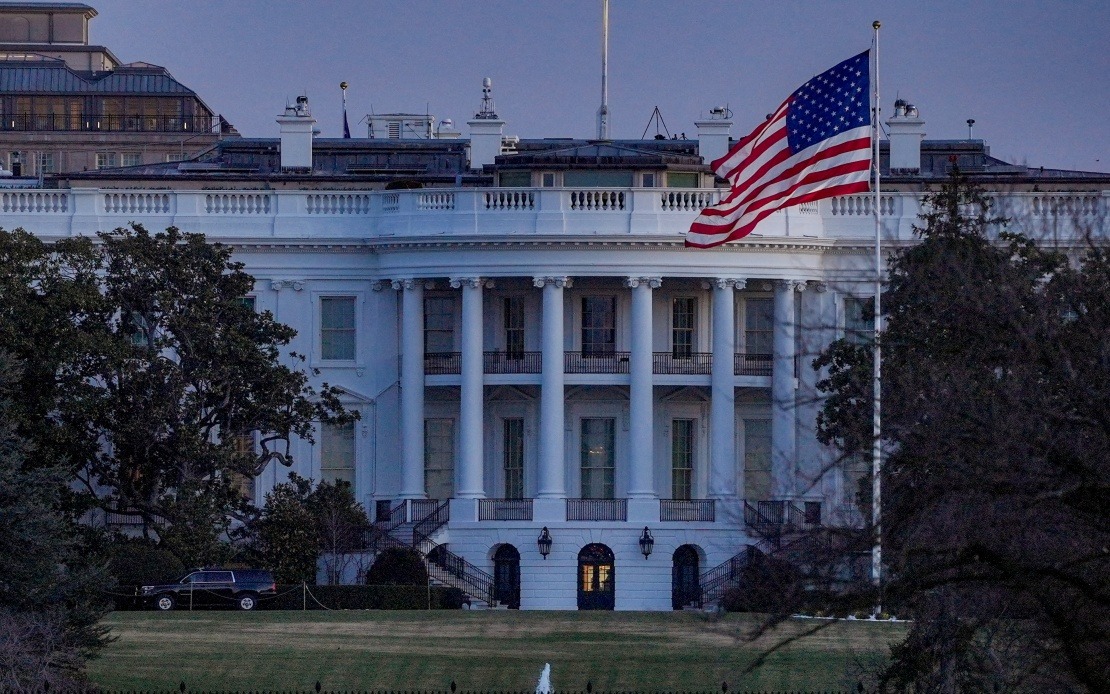
The head of the United States Secret Service has publicly acknowledged that his agency is contending with what he described as an unusually elevated threat landscape while protecting President Donald Trump and other senior government officials and former presidents. Director Sean Curran made this assessment at a briefing held ahead of the White House Correspondents' Association dinner scheduled for July 24, noting that the heightened danger posed to his protectees is neither hidden nor uncertain in nature.
The acknowledgement comes as Trump himself has downplayed personal security concerns despite an apparent pattern of plots against him. On Tuesday, the president stated he saw no justification for believing he should be afraid given reported plans attributed to Iran to kill him. This public stance stands in contrast to the institutional assessment offered by Curran, highlighting a disconnect between presidential confidence and security agency concern over the threat environment.
The White House Correspondents' Association gathering Trump plans to attend was originally interrupted by gunfire in April, creating a symbolically significant moment for security planners. The dinner had been rescheduled to July 24 following that incident, and Trump confirmed in June his intention to participate in the event once more, despite its recent history of violence.
Trump's own public statements about the danger he faces have become increasingly vocal. Earlier in July, the president identified himself as Iran's primary target and cited a statistical claim that only about 5.2 per cent of sitting American presidents fail to complete their terms alive. This framing appears designed to contextualise the threat he faces within historical norms, though it simultaneously underscores the severity of the challenge.
The concrete evidence of assassination attempts reveals a troubling timeline spanning Trump's recent political history. The first attack occurred during a campaign rally in Pennsylvania in July 2024, when a shooter wounded Trump in the ear. That incident marked a watershed moment in modern American political security, as active violence against a major presidential candidate during campaigning remained nearly unthinkable in contemporary politics. A second attempt followed in September 2024 at Trump's golf club in Florida, demonstrating that threats extended beyond public campaign events to private venues where the president conducts business.
A third shooting unfolded in April 2026 at the White House Correspondents' Association Dinner itself, the very event at which Trump was planning to appear again this month. The suspect in that incident faced multiple charges including attempted assassination of the sitting president, reflecting the severity with which prosecutors treated the alleged action.
Beyond these direct shooting incidents, the threat picture has grown more complex with the emergence of plot-related intelligence. In June 2026, federal law enforcement uncovered what the FBI described as a conspiracy targeting a UFC event being held at the White House. The Department of Justice subsequently classified this discovery as representing another assassination attempt against the president, suggesting that threats emanate not only from individual shooters but potentially from organised cells or networks.
For Malaysian and Southeast Asian observers, these developments carry significance beyond American domestic politics. The escalating security challenges faced by the world's most powerful government reflect broader global instability that affects regional security dynamics. How the United States responds to sustained threats against its leadership can influence American foreign policy priorities, defence commitments, and international engagement strategies that directly affect partners throughout Asia-Pacific.
The repeated nature of these attempts also raises questions about the effectiveness of security protocols despite the resources invested in protecting the presidential office. The multiple incidents across different venues and timeframes suggest either gaps in threat assessment capabilities or difficulties in preventing determined actors from reaching proximity to their targets. This pattern has implications for how democracies worldwide balance open governance with necessary security measures.
Director Curran's frank assessment signals that the Secret Service is operating under genuine operational strain, managing what appears to be an unusually dense threat calendar compared to recent historical precedent. The agency must simultaneously protect Trump, other members of the presidential family, former presidents still living, congressional leaders, and visiting dignitaries while navigating an environment that seems to generate recurring security incidents at high-profile events.
The contrast between Trump's public statements minimising personal danger and Curran's institutional acknowledgement of heightened threats suggests different approaches to threat assessment. Presidential confidence, whether genuine or performative, can shape public perception of security risks and potentially influence how Americans view the threat environment their government navigates. Meanwhile, agency professionals tasked with implementation must work from their own intelligence assessments and operational data.
As Trump prepares to attend the rescheduled White House Correspondents' Association dinner this month, the event itself carries elevated symbolic weight given its previous interruption and the additional assassination attempt occurring at that specific venue. The presence of the president at such gatherings, where journalists, government officials, and celebrities congregate in relatively exposed conditions, represents a public expression of normalcy and democratic openness that security professionals must enable despite documented risks.

