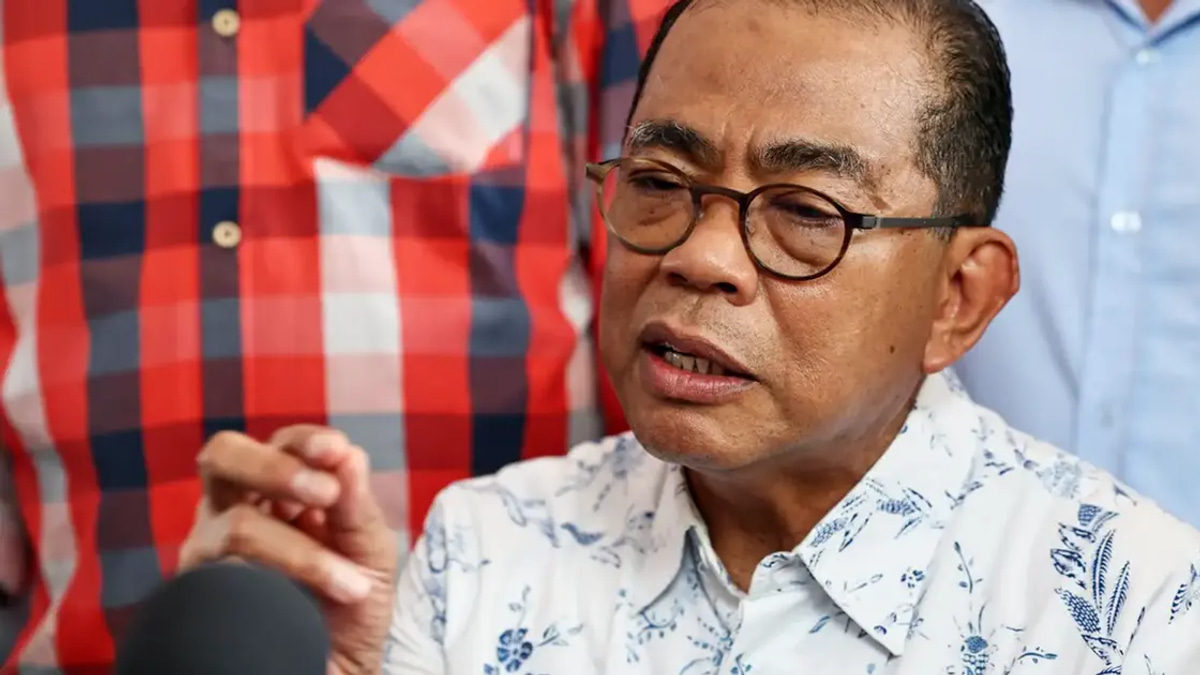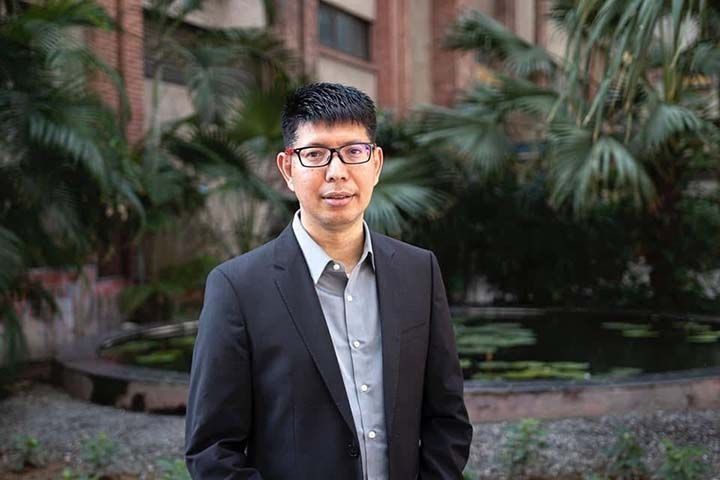
An American scholar specialising in Myanmar affairs was arrested in southwestern China while attending an academic workshop, according to the think tank he founded, which has condemned the detention as baseless and demanded his immediate release. Min Zin, executive director of the Institute for Strategy and Policy (ISP) - Myanmar, was detained in Kunming on June 3. China's foreign ministry subsequently confirmed his arrest, alleging he was suspected of espionage and endangering national security. The incident has triggered diplomatic concerns and highlighted the delicate position of researchers and academics operating in the region.
The think tank issued a statement on June 17 emphasising that Min Zin had travelled to Kunming solely to participate in an academic workshop, a point underscored by the use of his formal honorific in the public announcement. ISP-Myanmar's leadership flatly rejected what it termed groundless allegations, framing the detention as an impediment to legitimate scholarly work. The organisation stressed that academic freedom and the ability of research institutions to operate without political pressure remain fundamental to understanding complex regional dynamics and supporting informed policy discussions.
The United States has swiftly intervened diplomatically. A State Department spokesperson rejected the accusations against Min Zin and disclosed that American consular officers had already visited him in detention. Washington confirmed it was actively engaging with Chinese officials to ensure Min Zin receives appropriate consular assistance, a standard response to the detention of US citizens abroad. This engagement reflects broader American concerns about press freedom and academic liberty in the region, issues that have become increasingly sensitive given geopolitical tensions.
China's foreign ministry maintained its position when responding to media inquiries, reiterating that Min Zin was suspected of engaging in espionage activities and asserting it would handle the case according to law. The ministry offered no additional details regarding the specific allegations or evidence, leaving substantial questions about the charges unanswered. This opaque approach is consistent with how Beijing has handled other sensitive cases involving foreign nationals accused of state security violations.
The timing of the detention carries significant political weight. Min Zin was arrested just weeks before Myanmar's junta chief-turned-president Min Aung Hlaing was scheduled to make a five-day state visit to China, one of the military regime's most important foreign partners. The proximity of these events raises questions about whether the detention was intended to send a message or forestall potential criticism during high-level discussions, though no direct connection has been established. China has maintained close ties with Myanmar's military since the February 2021 coup that ousted the elected government of Aung San Suu Kyi.
Myanmar has experienced profound upheaval since that coup, as initial mass protests evolved into a sustained armed uprising involving pro-democracy rebel groups and longstanding ethnic armies coordinating against the military junta. This conflict has created significant humanitarian challenges and regional instability, making independent research and analysis increasingly valuable for understanding the country's trajectory. Think tanks like ISP-Myanmar have become important sources of information about the crisis, particularly after relocating overseas where they operate with greater editorial independence.
Min Zin's own background underscores his credibility as a scholar of Myanmar's political development. He is a former student activist who participated in Myanmar's pivotal 1988 democracy movement, a watershed moment in the country's modern history. He subsequently pursued advanced education at the University of California, Berkeley, where he studied political science, before returning to his home country to help establish ISP. His dual perspective—combining lived experience of Myanmar's struggle for democracy with rigorous academic training—has positioned him as an influential voice in international discussions about the country's future.
The Institute for Strategy and Policy (ISP) - Myanmar was initially headquartered within Myanmar but relocated overseas following the 2021 coup, reflecting the security challenges faced by independent researchers working on sensitive political issues. The think tank's research agenda encompasses the ongoing conflict and prospects for political transition, Myanmar's deteriorating economic situation, and the country's complex bilateral relationship with China—all matters of substantial regional consequence. Its publications have contributed meaningfully to international understanding of how the coup has destabilised Myanmar and affected broader Southeast Asian dynamics.
The detention raises troubling questions about the operating environment for academic institutions focusing on Myanmar and China-related research. ISP-Myanmar's statement emphasised that research and academic organisations must be able to conduct their work without facing intimidation or political retaliation. This concern reflects a broader regional pattern in which governments have increasingly restricted the space for independent analysis and criticism, particularly when research touches on sensitive geopolitical relationships or challenges official narratives.
For Malaysian readers, the case underscores the risks that researchers and analysts face when examining Myanmar's crisis and regional implications. Malaysia, as a fellow Southeast Asian nation with economic and security interests in Myanmar's stability, has engaged diplomatically with the junta while maintaining concern about humanitarian consequences of the conflict. The detention of a scholar studying these exact issues illustrates how academic work on Myanmar and China relations can become ensnared in broader geopolitical tensions, a consideration relevant to Malaysian institutions and researchers engaged in similar work.
The incident also reflects the complexities of China's security apparatus and its approach to foreign nationals it perceives as potential intelligence threats. Whether the espionage allegations contain substance or represent a pretext remains unclear, but the lack of transparency typical in such cases complicates independent assessment. For the international academic community, the detention serves as a reminder of the operational challenges facing those who study sensitive topics in authoritarian contexts or countries with strict national security legislation.
As diplomatic channels remain engaged, Min Zin's case has become emblematic of broader tensions between academic freedom and state security concerns in the region. The outcome will likely influence how other foreign researchers and analysts approach work on Myanmar and China-related topics, potentially chilling international research efforts at a moment when independent analysis is particularly valuable for understanding the country's multifaceted crisis.