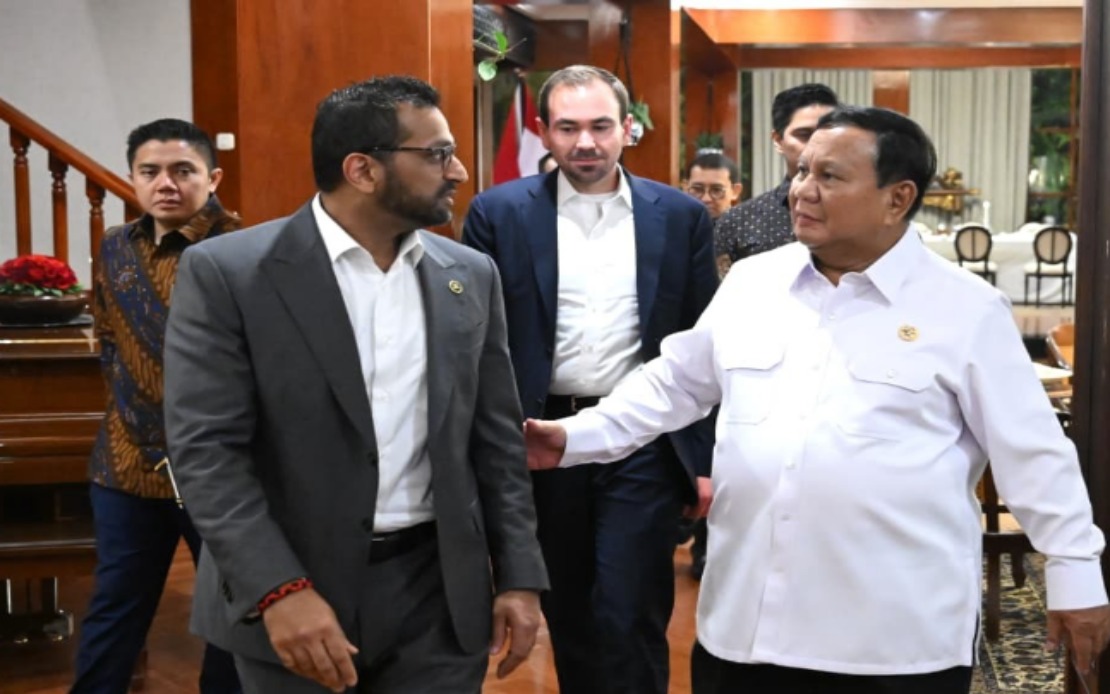
The Federal Bureau of Investigation has concluded another chapter in its growing partnership with Indonesia over the recovery of stolen cultural treasures, formally returning a collection of artefacts that had been illegally trafficked to American soil. FBI Director Kash Patel presented the objects directly to President Prabowo Subianto during an official visit to the presidential residence at Kertanegara in Jakarta this week, underscoring the diplomatic significance both nations attach to the restitution process. This handover represents the latest success in what Indonesian officials characterise as a strategic alliance aimed at stemming the flow of plundered heritage and restoring national cultural property.
Culture Minister Fadli Zon seized the occasion to articulate Jakarta's ambitions for an even more robust framework governing the return of stolen cultural materials. Speaking after the ceremony, Zon emphasised that Indonesia views the FBI partnership as a cornerstone of broader efforts to recover the nation's archaeological and ethnographic patrimony, which continues to disappear into international black markets. The involvement of the State Secretariat and Ministry of Foreign Affairs in future initiatives signals that cultural repatriation has been elevated to a matter of strategic national concern, moving beyond the purview of cultural institutions alone and into the realm of high-level diplomacy.
The objects themselves carry profound significance for Indonesia's indigenous communities. Originating from Papua, the artefacts represent the material culture of the Dani and Asmat peoples, as well as populations inhabiting the regions around Lake Sentani—all communities whose artistic and spiritual traditions have been systematically stripped away through colonial and post-colonial looting. These are not mere museum pieces but embodiments of cultural identity for living communities whose connection to ancestral objects remains vital to their sense of self and continuity. The recovery process involved detailed provenance research that conclusively demonstrated the artefacts had been smuggled unlawfully across borders, a methodical approach that establishes credible grounds for restitution claims.
For Southeast Asia more broadly, this development carries implications beyond Indonesia's immediate interests. The region remains a particularly vulnerable source zone for cultural smuggling, given the density of archaeological sites, the prevalence of unregulated antiquities dealers, and the historical legacy of Western collectors and museums that systematically acquired objects through questionable means. Neighbouring nations facing similar challenges—from Cambodia's temple carvings to Thailand's bronze sculptures—observe Indonesia's success with the FBI and may press their own authorities and international partners for comparable agreements. The precedent of a high-profile federal agency dedicating resources to repatriation investigations could encourage other law enforcement organisations to establish dedicated units for cultural property crimes.
The FBI's involvement reflects a subtle but significant shift in how American institutions approach the issue of restitution. For decades, major US museums and private collectors resisted repatriation claims, citing legal possession and established provenance standards that often benefited the status quo. The Bureau's active participation in tracing and returning smuggled items suggests a changing institutional awareness that cultural heritage theft constitutes a serious crime warranting federal investigation—comparable to other forms of smuggling and transnational fraud. This positioning potentially emboldens governments in the Global South to pursue formal claims through legal channels rather than relying on informal pressure or the goodwill of museums.
Indonesia's decision to display the returned artefacts at the National Museum fulfils a pedagogical purpose beyond simple repatriation. Public exhibition allows Indonesians themselves—particularly younger generations—to reconnect with cultural heritage that has been largely inaccessible to them. Museums in source countries often lack the conservation resources and climate controls that Western institutions provide, a reality that sometimes becomes an argument against repatriation. However, the investment in museum infrastructure and professional standards in Jakarta reflects a growing capacity among Indonesian cultural institutions to serve as custodians of national heritage.
The cooperation between Jakarta and the FBI also illuminates the critical role of provenance research in repatriation efforts. The process of establishing that objects were illegally smuggled requires expertise, archival investigation, and often painstaking detective work to trace ownership chains and sales records. The FBI's ability to mobilise these investigative resources has proven instrumental in resolving cases that might otherwise languish in dispute. For Malaysia and other regional nations pursuing similar recoveries, the Indonesian example demonstrates the value of cultivating relationships with American law enforcement agencies equipped to conduct such investigations.
Cultural Minister Zon's reference to previous FBI assistance in recovering bronze statues and objects from archaeological sites indicates this is part of a sustained pattern rather than a one-off gesture. The existence of multiple successful recoveries suggests the establishment of institutional mechanisms and possibly memoranda of understanding that facilitate ongoing cooperation. Such frameworks could be extended or replicated across the region, creating a more systematic approach to identifying smuggled artefacts in American collections and markets.
For Indonesia's Ministry of Foreign Affairs, deepening the repatriation partnership serves both cultural and diplomatic objectives. Successful recovery operations enhance national prestige and demonstrate governmental effectiveness in protecting citizen interests. They also provide positive narratives in international relations, showcasing cooperation with the United States on issues of mutual concern rather than focusing solely on trade disputes or geopolitical competition. This softer dimension of bilateral engagement can improve overall relations and create opportunities for collaboration in other spheres.
The timing of this repatriation, occurring during a period of leadership transition in Jakarta, also merits attention. President Prabowo's administration may view these successes as symbolic of national sovereignty and the restoration of Indonesia's proper place in global affairs. Earlier administrations have sometimes given repatriation efforts lower priority relative to economic and security concerns. The visibility accorded to this handover suggests a renewed commitment to cultural nationalism as an aspect of broader developmental and diplomatic strategy.
Looking forward, the challenge for Indonesia and other Southeast Asian nations lies in expanding these successes beyond the relatively few cases that reach FBI attention and formal repatriation channels. Vast quantities of looted heritage remain in private collections, auction houses, and museums across the Western world, often documented insufficiently to prove illegality under current legal standards. The framework that enabled this recovery—combining rigorous provenance research, FBI investigative capacity, and political will from both governments—remains resource-intensive and difficult to replicate at scale. Nevertheless, each successful case establishes precedent and encourages further claims, gradually shifting international norms toward greater recognition of source nations' rights to their own cultural patrimony.

