The United States is fundamentally reshaping the Group of Twenty's agenda for its December summit in Miami, pushing negotiators to excise language addressing poverty reduction, energy transition and gender equality from the group's final statement. Two unnamed delegation members revealed this strategic narrowing during sherpas meetings in Washington this week, describing an effort that has intensified since December when discussions first began. Rather than pursuing the broad developmental and climate priorities traditionally central to G20 statements, American negotiators are steering the agenda toward immigration, transnational crime, terrorism and what the US frames as "fair trade"—a notably narrower focus that critics say privileges American interests over those of smaller and developing nations.
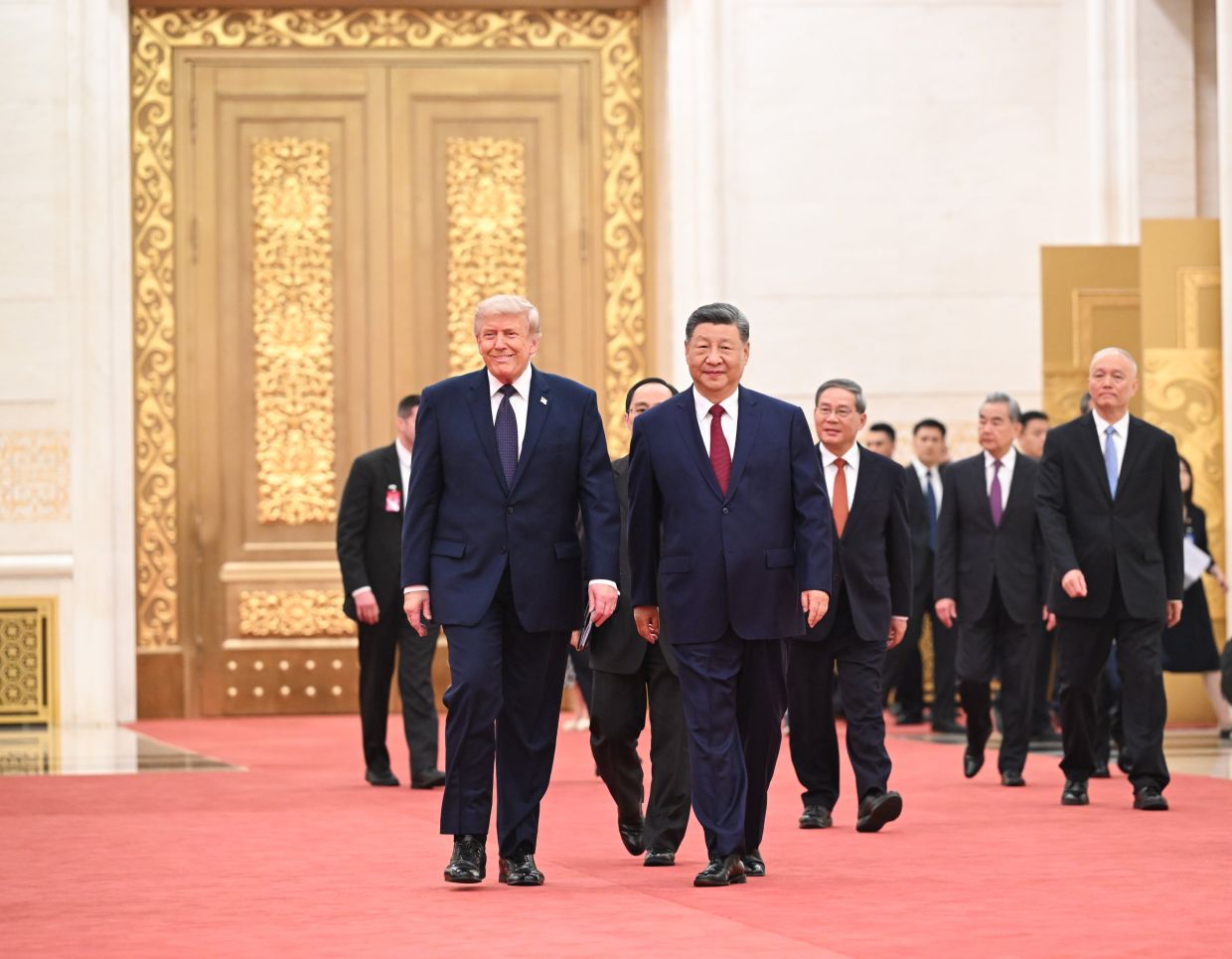
The timing and venue for the December 14-15 summit carries particular significance. The gathering will be held at Trump National Doral, the president's own golf resort in Miami, an unusual choice that has drawn scrutiny from observers monitoring the relationship between official business and personal holdings. Sources describing the American negotiating position suggested the summit functions primarily as "a pretty backdrop for a photo of Trump and Xi," implying that bilateral theatrics between the world's two largest economies now overshadow the multilateral agenda that once defined G20 work. This framing raises questions about whether the summit will meaningfully advance global coordination on shared economic challenges or devolve into symbolic diplomacy.
Russia has already lodged public complaints about the agenda-stripping, with Ambassador-at-Large Marat Berdyev criticizing the direction of negotiations. Yet despite these objections, Russian negotiators led by sherpa Denis Agafonov participated fully in this week's Washington sessions, maintaining engagement even as they voice frustration. The Russian position highlights a common dynamic in multilateral forums: smaller powers often lack leverage to prevent dominant nations from reshaping discussions to their advantage. Berdyev indicated Russia remains focused on traditional G20 concerns including trade, energy and finance, but his participation suggests Moscow calculates staying in the room beats walking away.
China's response to the American pressure campaign presents a curious puzzle for observers of global governance. Despite positioning itself as a champion of climate action and renewable energy—investments central to its national strategy—Beijing has remained silent or acquiescent during negotiations where energy transition language faces removal. The Chinese embassy declined to confirm even who represents the country in these discussions, instead offering written statements about China's renewable energy credentials without addressing its apparent passivity on the negotiating front. This restraint is particularly striking given that energy transition ranks as a core Chinese policy priority, yet sources indicate China has not objected to its exclusion from the G20 declaration.
The silence suggests either a deliberate strategic choice to preserve diplomatic capital for bilateral Trump-Xi discussions, or an acceptance that confronting American agenda-setting on this forum carries costs Beijing prefers to avoid. Chinese Finance Minister Lan Fo'an leads Beijing's separate finance track within the G20, a parallel channel that may be where substantive discussions on China's economic interests actually occur. This structure itself reflects the fragmentation of the G20 into competing tracks and bilateral channels, potentially undermining the multilateral coordination the forum was designed to facilitate. For Malaysian policymakers and other Southeast Asian economies that benefit from G20 work on development finance and climate coordination, China's apparent disengagement from defending these priorities in core negotiations deserves close attention.
The narrowing of the agenda represents a significant departure from the G20's historical role as a venue where developed and developing nations negotiate shared positions on global economic governance. Language addressing poverty reduction carries particular weight for lower-income countries seeking to embed development commitments into major power diplomacy. Similarly, inclusion of energy transition and gender equality reflects decades of consensus-building that these issues merit explicit mention alongside traditional economic and security concerns. Removing such language does not erase the underlying problems—poverty, climate change and gender inequity persist regardless of G20 rhetoric—but it signals a deprioritization that can affect resource allocation, policy focus and the moral weight nations attach to these challenges when competing for attention.
The friction within the G20 extends beyond the current negotiating session. In April, the US-led finance ministers' meeting ended without a joint statement or customary press conference, a notable breakdown in the group's diplomatic norms. Earlier in the year, Russia's exclusion from core discussions became another flashpoint, marking the first time a full member faced such treatment. While the Chinese embassy maintains its typical diplomatic reserve about these proceedings, the cumulative effect of narrowed agendas, absent statements and exclusions suggests the G20 is experiencing structural stress. For a forum designed to manage global economic coordination during crises and coordinate long-term policy, this fragmentation raises questions about its utility.
The implications for Malaysia and the broader Southeast Asian region warrant consideration. ASEAN economies depend on stable global economic governance, transparent trade rules, and coordinated climate action to pursue development goals. When the G20—which collectively represents roughly 85 percent of global GDP—narrows its focus and becomes primarily a venue for bilateral US-China diplomacy, the interests of mid-sized and smaller developing nations receive less institutional attention. Malaysia's position as a middle-income country with significant stakes in global trade, renewable energy investment and development finance means the G20's direction matters. If energy transition disappears from joint G20 statements, it may weaken the political consensus supporting climate finance flows and technology transfer that support Southeast Asian countries' own transitions.
The exclusion of poverty reduction language carries similar weight. While Malaysia itself is no longer classified as a developing country for many purposes, the region includes nations where poverty remains a pressing concern. G20 commitments to poverty alleviation, debt sustainability and development finance have historically created space for discussion of issues affecting lower-income countries. When developed nations successfully remove such language, it reflects a shift in power dynamics that marginalizes voices from the Global South. The concentration of agenda-setting authority in American hands, even with tacit Chinese acquiescence, demonstrates how multilateral institutions can be hollowed out by powerful members when consensus-building breaks down.
Moving forward, the Miami summit will reveal whether this negotiating posture holds through the leaders' meeting or whether other delegations mount last-minute efforts to restore broader language. The Biden administration's statements and Russia's public complaints suggest potential for dramatic moments at the summit itself. However, the apparent coordination between the US sherpa team and Trump's own interests in treating the event as bilateral theater suggests the outcome is likely already determined through these preliminary negotiations. For Malaysia and Southeast Asia, the message is clear: when the G20's agenda narrows, smaller economies' concerns face marginalization unless they organize effectively to defend them during negotiations that often escape public attention.

