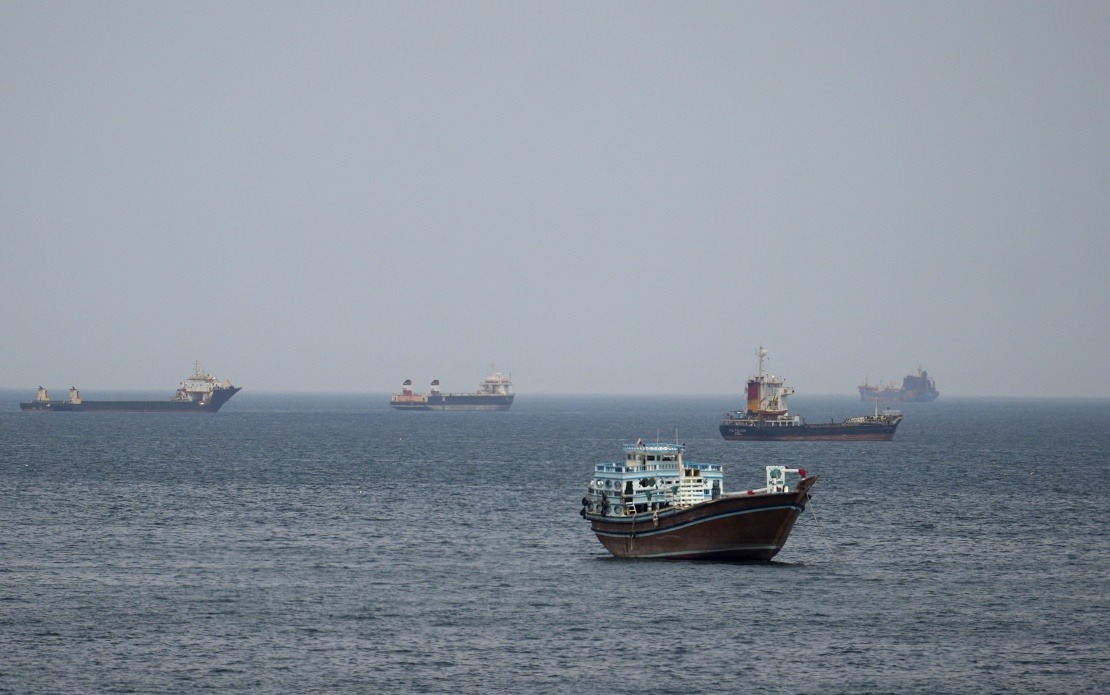
The United States military has overseen the secure passage of over 800 commercial vessels through the Strait of Hormuz since the start of May, according to a statement released Thursday by US Central Command (CENTCOM). In a post on the social media platform X, the command noted that these vessels collectively transported approximately 380 million barrels of crude oil through what remains one of the world's most strategically vital waterways for global energy markets.
This announcement takes on particular significance given the volatile geopolitical backdrop against which these maritime operations have unfolded. The Strait of Hormuz, the narrow waterway separating Iran from Oman at the mouth of the Persian Gulf, serves as a critical chokepoint through which roughly one-third of globally-traded seaborne oil passes daily. Any disruption to shipping lanes here reverberates through energy markets worldwide and directly affects economies across Southeast Asia, including Malaysia, which depends heavily on Middle Eastern crude supplies.
The timing of CENTCOM's disclosure reflects the deteriorating security environment in the region. Over the previous 48 hours, the US and Iran engaged in tit-for-tat military strikes that underscored the fragility of the current standoff. The sequence began when Iranian forces attacked three commercial vessels operating within the Strait of Hormuz, actions that prompted an immediate American response. Rather than de-escalate tensions, Iran launched a comprehensive retaliatory strike targeting US military installations across multiple Gulf states, including facilities in Bahrain, Kuwait, Qatar and Jordan.
The repeated cycle of attack and counter-attack reveals the complexity facing both Washington and Tehran in managing their proxy conflicts without precipitating open warfare. Despite the military exchanges, commercial shipping has remarkably continued to move through the waterway, a testament partly to the US military presence and the assurances it provides to international carriers. However, the persistence of these incidents creates a climate of uncertainty that shippers and insurers must navigate carefully.
For Malaysia and other Southeast Asian nations, the implications are substantial. Many Malaysian companies depend on reliable energy supplies from the Gulf, and any sustained disruption to shipping through the Strait of Hormuz would drive up fuel costs and create inflationary pressures across the region. Additionally, Malaysian vessels and crews operating in these waters face heightened risks, and the insurance premiums charged for transiting contested maritime zones increase operational expenses for regional shipping companies.
The US military deployment to ensure corridor safety represents a deliberate strategy to prevent economic coercion through maritime interdiction. By maintaining a visible protective presence and actively facilitating transits, Washington aims to preserve the principle of freedom of navigation and prevent any single regional actor from wielding the strait as a pressure point against global commerce. This approach has proven effective in keeping commercial traffic flowing despite the underlying tensions.
However, the sustainability of this arrangement depends on whether the current military equilibrium can be maintained without escalating into direct conflict. The attacks on commercial vessels represent a dangerous grey zone between outright warfare and peacetime. These strikes inflict economic damage and create psychological pressure without crossing the threshold that might trigger overwhelming military retaliation, making them a preferred tool for parties seeking to project power without accepting the costs of full-scale hostilities.
The 380 million barrels figure highlights the economic stakes involved. A significant portion of this crude ultimately makes its way to Asian markets, either directly or through refineries in the region. Disruptions would immediately affect fuel prices at Malaysian petrol stations and industrial sectors reliant on stable energy costs. The pharmaceutical, petrochemical and manufacturing sectors would all face cost pressures if the strait's security deteriorated further.
Looking ahead, the question remains whether the current US security guarantee can persist indefinitely or whether regional tensions will eventually produce an incident severe enough to disrupt the shipping corridor more substantially. The balance appears precarious, maintained through active military management and the implicit threat that excessive disruptions would provoke a more robust American response. For Malaysian policymakers and business leaders, the situation warrants close monitoring, as any escalation could quickly reshape the region's energy economics and supply chain reliability.

