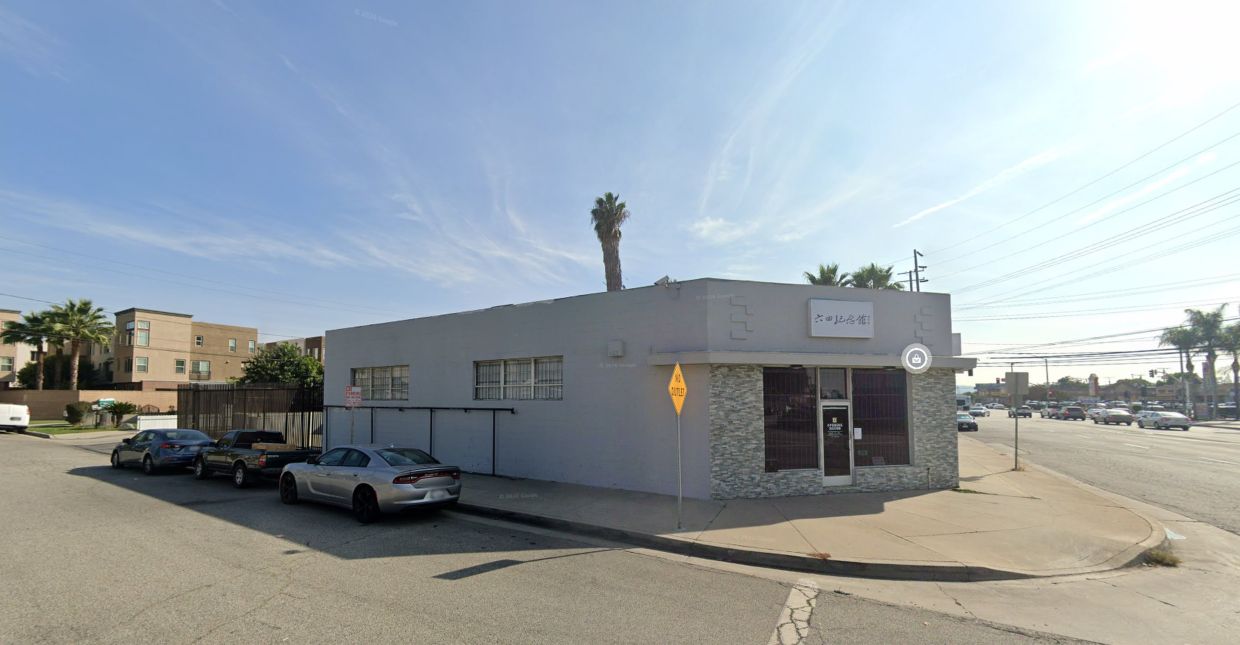
Senior figures in the United States Congress have formally urged federal law enforcement to launch a comprehensive investigation into a break-in at a museum in California dedicated to commemorating the 1989 Tiananmen Square incident. The appeal, delivered as a three-page letter to the Justice Department on Thursday, reflects deepening concerns among American policymakers about potential coordinated efforts to intimidate overseas Chinese communities and suppress commemoration of sensitive historical events.
The June 4th Memorial Museum in El Monte, California, suffered a break-in on May 31 involving what authorities have characterised as spray-painting of walls and exhibits, property damage, and interference with security systems. The timing of the incident—occurring just days before the annual June 4th commemoration—prompted museum officials to suspect what they describe as "transnational repression," a term increasingly used to characterise alleged intimidation campaigns targeting diaspora communities abroad. The museum issued a statement rejecting suggestions that the incident would silence its operations, declaring a commitment to pursuing legal accountability regardless of any implicit threats.
John Moolenaar, a Republican congressman from Michigan and chairman of the House Select Committee on China, and Christopher Smith, a Republican senator from New Jersey serving as co-chairman of the Congressional-Executive Commission on China, jointly authored the formal request. In their correspondence, they explicitly asked federal investigators to determine whether the attack was orchestrated, encouraged, supported, or executed by individuals connected to the People's Republic of China, the Chinese Communist Party, or acting under their direction or influence. This language reflects the serious nature of allegations surrounding state-sponsored intimidation operations.
The museum itself, established in 2023, relocated from New York to Los Angeles to reduce operational costs and maintain its mission of preserving historical memory around the June 4th events. Photographs circulated online revealed orange spray paint markings across framed newspaper clippings and related historical displays. The institution operates as a non-profit entity funded primarily through crowdsourced donations and civil society contributions. An online artist collective reported raising approximately US$500,000 toward an initial US$2 million fundraising target when the museum first opened its doors.
El Monte police have confirmed opening an investigative case into the vandalism. The museum statement indicated that authorities had uncovered preliminary evidence and investigative leads, with museum officials pledging active cooperation to resolve the matter expeditiously. However, neither the local police department nor the Justice Department had provided substantive updates or confirmed whether federal investigators had assumed responsibility for the matter at the time of reporting.
The congressional appeal specifically requested involvement from the FBI's Los Angeles Field Office and the National Security Division, underscoring the seriousness with which lawmakers view potential foreign government involvement in domestic intimidation activities. This escalation from local to federal jurisdiction reflects a pattern of growing American scrutiny regarding alleged Chinese government efforts to suppress diaspora activism and historical commemoration abroad.
For Malaysian and Southeast Asian observers, this incident carries significant implications. Throughout the region, Chinese diaspora communities maintain their own commemorative practices and historical consciousness regarding June 4th, despite official silence or restrictions in mainland China and some regional governments. The alleged targeting of the California museum signals broader concerns about transnational pressure campaigns affecting overseas communities, issues that resonate particularly acutely in countries with substantial Chinese populations where political sensitivities surrounding historical memory remain acute.
The Congressional-Executive Commission on China, created in 2000 to monitor human rights conditions following Beijing's accession to the World Trade Organization, has long tracked allegations of government pressure on overseas communities. The House Select Committee on China, established in January 2023, represents a bipartisan effort to examine economic and security dimensions of US-China competition. Neither body possesses legislative authority but both influence congressional policy deliberations through investigations and recommendations.
Beijing has historically dismissed such congressional scrutiny as ideologically motivated. The Chinese embassy in Washington did not immediately respond to requests for comment regarding the museum incident, but Chinese officials have routinely characterised both the House committee and the Congressional-Executive Commission as "political tools lacking credibility" driven by "Cold War mentality" and "ideological bias." This rhetorical pattern suggests likely dismissal of allegations regarding the museum vandalism, should the Chinese government choose to respond publicly.
The incident underscores tension between Beijing's efforts to shape historical narratives and diaspora communities' determination to maintain independent commemoration practices. Museums and memorials dedicated to June 4th remain contentious precisely because they preserve alternative historical records beyond state control. For overseas Chinese communities, such spaces represent crucial platforms for intergenerational transmission of memories and values that official channels in mainland China systematically suppress.
The vandalism investigation carries procedural significance as well. Should federal authorities ultimately determine foreign government involvement in what would constitute a domestic crime, such findings could inform broader policy discussions regarding foreign interference and transnational repression within American territory. Similar concerns have motivated investigations across Western nations into alleged coordinated campaigns targeting diaspora communities.
The museum's resilience statement—declaring determination to continue operations despite intimidation—reflects broader patterns among overseas Chinese civil society organisations. Diaspora activists increasingly anticipate pressure and have developed strategies for continuity. The California museum's relocation from New York already reflected practical considerations, yet officials refuse characterization of their work as vulnerable to external pressure.
As regional governments throughout Southeast Asia navigate complex relationships with both Beijing and Washington, the American response to alleged transnational repression carries subtle implications. The congressional attention signals that Washington increasingly prioritises protection of diaspora communities and freedom of historical memory as components of strategic competition with China. For Malaysia and neighboring countries hosting significant Chinese diaspora populations, understanding American legal frameworks protecting such communities may inform local policy discussions regarding historical commemoration and community rights.

