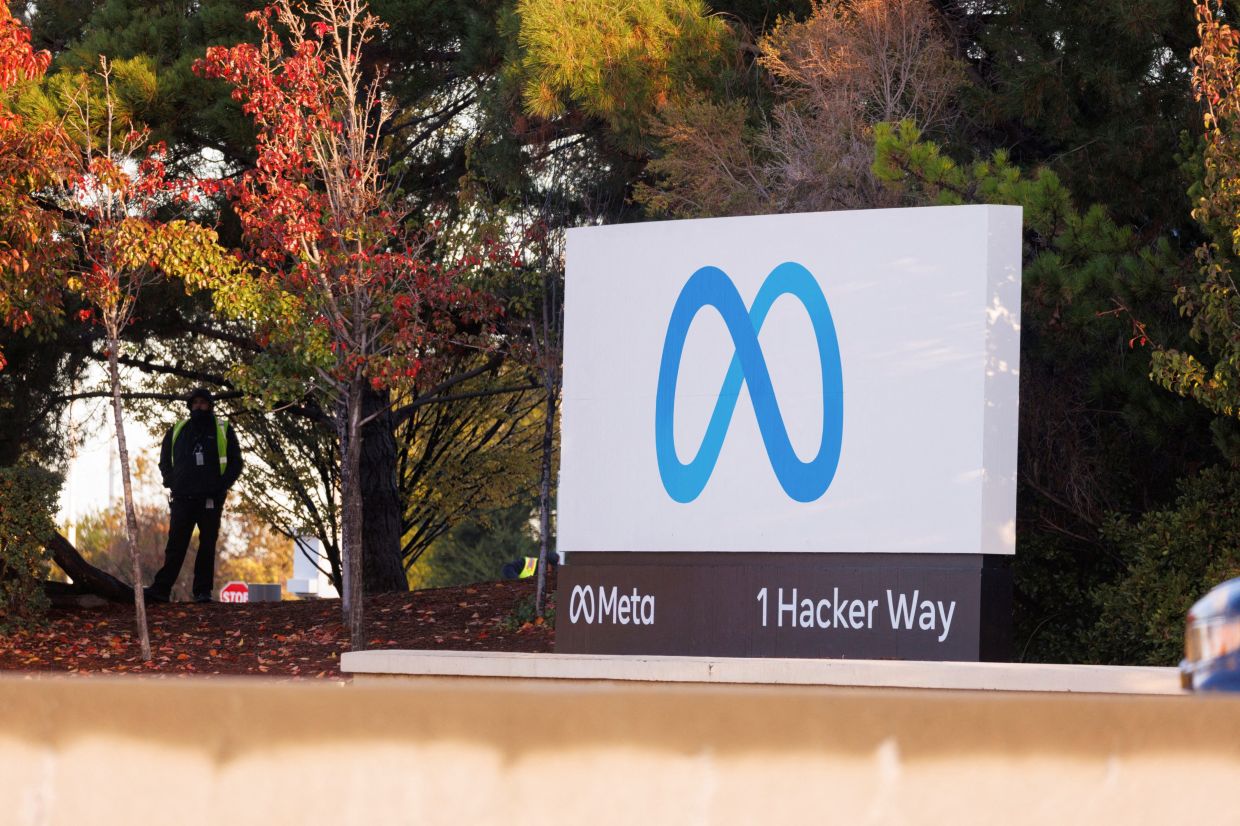
An American federal judge has delivered a significant setback to Meta in a lawsuit brought by an Australian mining tycoon, ruling that the technology giant systematically destroyed or allowed the destruction of critical evidence related to how the platform distributed fraudulent cryptocurrency advertisements featuring his likeness. Judge P. Casey Pitts found that Meta's conduct amounted to gross negligence, dealing a potential blow to the company's legal defenses in a case that could reshape how courts view social media platforms' responsibility for user-generated content.
The Australian billionaire's legal action centres on thousands of deceptive advertisements that have circulated on Facebook since 2019, exploiting his public profile to promote cryptocurrency investment scams. The campaign has ensnared thousands of victims, with the tycoon's lawyers estimating substantial financial losses across the fraudulent schemes. What distinguishes this case from routine scam complaints is the allegation that Meta did not passively host these advertisements but actively participated in their distribution and optimization.
According to the plaintiff's legal team, Meta's proprietary artificial intelligence systems were deployed to tailor and personalize the fraudulent advertisements before they reached potential victims. This characterization is crucial because it undermines Meta's traditional legal shield—a claim that the platform merely provides infrastructure and cannot be held responsible for content that users post. The billionaire's lawyers contend that by actively reshaping advertisements through algorithmic tools, Meta transformed itself from a neutral intermediary into an active participant in the deception, thereby forfeiting immunity protections.
The destroyed data takes on outsized importance precisely because it would likely demonstrate the extent to which Meta's own systems modified these advertisements. Judge Pitts expressed particular skepticism about Meta's explanation for why this evidence disappeared. The company claimed it required two years to locate the relevant data within its own technological infrastructure—a timeframe the judge characterized as implausible. His comments suggest deep frustration with Meta's inability or unwillingness to preserve records, noting that it was unreasonable for the platform to claim such an extended discovery period for understanding its own systems.
While Judge Pitts did not find evidence of intentional misconduct designed to harm the plaintiff, the determination of gross negligence carries significant implications. This legal characterization suggests recklessness and an indifference to consequences that falls short of deliberate wrongdoing but exceeds mere inadvertent error. For Meta's broader litigation strategy, this ruling creates complications because gross negligence can sometimes overcome legal immunities that protect against ordinary negligence claims.
Meta's primary legal defense rests on Section 230 of the Communications Decency Act, a provision enacted in 1996 that has become foundational to how internet platforms operate across the United States. This law has shielded technology companies from liability for content posted by their users, essentially treating platforms as neutral conduits rather than publishers. Meta argues that this protection applies fully to its situation, insulating the company from responsibility for the fake advertisements regardless of how they were distributed or optimized.
However, the destroyed evidence narrative plays directly into the plaintiff's counter-argument. His legal team is building a case that Meta's algorithmic modification of advertisements demonstrates active editorial control, which could disqualify the company from claiming Section 230 immunity. If courts accept that Meta transformed passive hosting into active curation through its AI systems, the century-old distinction between publishers and distributors could apply to modern social media platforms in unprecedented ways.
The case remains in its preliminary phase, and Meta is anticipated to file a motion seeking dismissal based on immunity grounds before the year's conclusion. Judge Pitts will preside over that critical hearing, which could determine whether the broader factual allegations proceed to trial or whether Meta successfully exits the litigation at this early stage. The destroyed evidence ruling may influence how the judge views Meta's credibility and the merits of conflicting legal interpretations.
This Australian case arrives as Meta confronts expanding legal vulnerabilities across multiple jurisdictions. The Massachusetts Supreme Judicial Court recently determined that Section 230 does not automatically shield Meta from a lawsuit concerning Instagram's allegedly addictive design characteristics targeting children. That ruling represents a watershed moment, suggesting American courts are increasingly willing to examine whether modern platform features constitute active conduct rather than passive hosting. Simultaneously, juries in Los Angeles and Santa Fe, New Mexico have held Meta liable this year for causing harm to minors through its platforms, signaling a broader cultural and legal shift in how technology companies face accountability.
For Malaysian readers and regional observers, these American legal developments carry implications for how technology regulation may eventually affect Southeast Asia. If US courts establish that platforms like Meta cannot hide behind immunity laws when they actively shape content distribution, similar arguments could influence regulatory approaches in Malaysia, Singapore, and other regional jurisdictions. The destroyed evidence issue also highlights how transparency and data governance remain central to holding technology companies accountable, principles increasingly relevant as regional regulators scrutinize platform operations.
The case underscores a fundamental tension in contemporary internet law: whether platforms that employ sophisticated algorithmic systems to curate, optimize, and personalize content remain passive intermediaries deserving legal protection, or whether active technological intervention transforms them into publishers bearing responsibility for what they distribute. Judge Pitts' findings on the destroyed evidence suggest at least one federal jurist is prepared to demand accountability when companies cannot adequately explain why their data management systems failed to preserve critical information.

