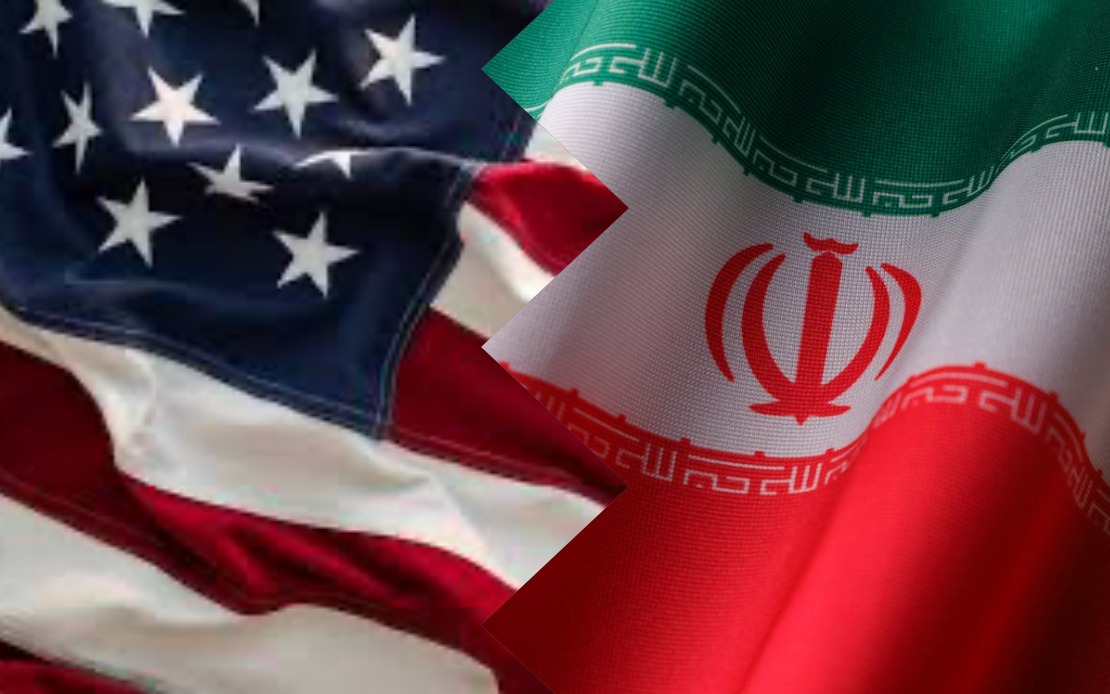
The United States military executed a second round of offensive operations against Iran on Wednesday afternoon, according to statements from CENTCOM. The strikes, launched at 3 p.m. Eastern Time, represent an escalation in direct military confrontation between the two nations and underscore the deteriorating security environment in one of the world's most strategically vital maritime corridors. The operation follows an earlier wave of attacks and reflects the Trump administration's determination to project military strength in the region despite ongoing diplomatic efforts to contain the conflict.
CENTCOM specified that the strikes concentrated on Iranian military installations and weaponry designed to menace international shipping transiting the Strait of Hormuz. This waterway, connecting the Persian Gulf to the Gulf of Oman, remains essential infrastructure for global energy markets and international trade. Approximately one-third of all seaborne oil shipments pass through this chokepoint annually, making threats to maritime commerce a matter of acute concern for countries worldwide, including Malaysia and other Southeast Asian economies heavily dependent on stable energy supplies and open sea lanes.
President Donald Trump publicly reinforced the administration's position earlier the same day, issuing a pointed statement cautioning Iran to observe American warnings and threatening further consequences should Tehran fail to comply. Trump's rhetoric, coupled with the military actions, signals a hardline approach to Iranian behaviour that contrasts sharply with efforts to negotiate a de-escalation framework. The explicit reference to presidential direction underscores that these operations reflect top-level strategic decisions rather than isolated military responses to specific incidents.
The broader context reveals a cycle of tit-for-tat military engagement that has intensified dramatically following American and Israeli strikes on Iranian targets in February. Those earlier attacks triggered a reactive cycle of Iranian retaliation and American counter-strikes, creating a pattern of military escalation that shows few signs of moderating. Despite a Pakistan-mediated memorandum of understanding intended to halt hostilities and terminate the underlying conflict, both Washington and Tehran have continued to exchange military blows, demonstrating either the fragility of diplomatic arrangements or the existence of hardline factions within both governments unwilling to embrace restraint.
For Malaysian policymakers and business leaders, the implications prove significant. Malaysia's economy relies substantially on uninterrupted maritime trade flows and stable energy markets. Heightened military tensions in the Strait of Hormuz could increase insurance premiums for shipping, disrupt petroleum supply chains, and introduce new uncertainties into regional commerce. Malaysian companies with operations in the Middle East or engaged in international maritime trade face mounting operational risks and cost pressures should the military confrontation broaden or intensify further.
The strikes also illustrate broader geopolitical realignments reshaping the Middle East. American military involvement reflects ongoing commitments to regional allies including Israel and various Gulf states, while the persistence of Iranian military capabilities and willingness to challenge American assertions demonstrates Tehran's determination to preserve its regional influence and deterrent posture. Southeast Asian nations must navigate this complex environment carefully, balancing relationships with both Western powers and regional actors while protecting national economic interests in unimpeded shipping and energy access.
The targeting of Iranian capabilities that threaten maritime transit reflects American concerns about weapons systems capable of disrupting commercial navigation or military operations. Iran possesses various anti-ship missiles, naval mines, and other ordnance capable of imposing severe costs on shipping using the Strait of Hormuz. American military planners evidently believe that neutralising these capabilities serves both immediate security objectives and longer-term deterrence goals. However, the effectiveness of strikes against dispersed, hardened, or mobile military assets remains contested among defence analysts, and previous rounds of strikes have failed to produce lasting changes in Iranian behaviour.
The continued reliance on Pakistan-mediated diplomatic efforts, despite ongoing military strikes, suggests that both the United States and Iran retain theoretical interest in eventual negotiated settlement. Nevertheless, the simultaneous pursuit of military escalation and diplomatic engagement creates inherent contradictions that undermine credibility of peace initiatives. This pattern has proven historically common in international conflicts, where military hawks and diplomatic doves compete for policy influence, producing inconsistent signals that confuse adversaries and allied partners alike.
Southeast Asian observers should recognise that American military operations in the Middle East often possess indirect but meaningful consequences for regional security and economic stability. Supply chain disruptions, energy price volatility, and broader geopolitical instability can ripple across global markets and impact prosperity in distant regions. Malaysia and its neighbours have strong incentives to advocate privately for de-escalation while publicly maintaining measured diplomatic positions that preserve relationships across the political divide.
The escalation also raises questions about the sustainability of current American military commitments globally. Ongoing operations in the Middle East consume resources and attention that some analysts argue should focus on China's rising military capabilities and assertiveness in the Indo-Pacific region. The Trump administration's emphasis on confronting Iran directly may reflect priorities that differ from some allied perspectives, particularly among Indo-Pacific nations concerned about China's strategic ambitions and seeking robust American security commitments closer to home.
Ultimately, the second wave of strikes represents a critical juncture in America's approach to Iran policy. Whether this escalation functions as a pressure tactic designed to force Iranian capitulation on key disputes or signals descent into deeper military conflict remains uncertain. The international community, including Malaysia, watches closely for signs indicating whether diplomatic channels might still open meaningful prospects for de-escalation or whether the trajectory points inexorably toward more extensive military confrontation that could fundamentally destabilise the entire Middle East and threaten global commerce and stability.

