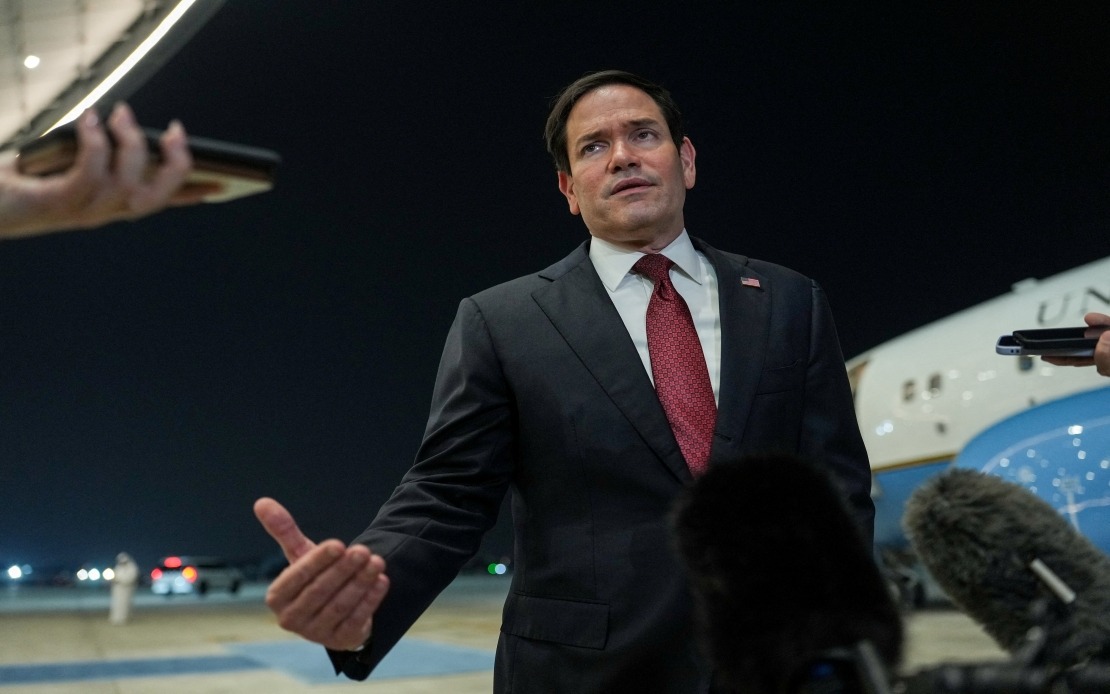
The United States and China are pressing ahead with plans for a high-level diplomatic summit despite mounting friction between Washington and Beijing. US Secretary of State Marco Rubio disclosed on Sunday that preparations for Chinese President Xi Jinping's state visit are maintaining their September timeline, signalling that both nations remain committed to direct engagement at the highest levels even as disagreements multiply.
Rubio's remarks came as he prepared to depart for an Association of Southeast Asian Nations (ASEAN) foreign ministers' gathering, underscoring how bilateral US-China relations continue to shape the broader regional diplomatic landscape. The secretary of state told reporters at Joint Base Andrews that Chinese preparation teams were actively working on logistics for the visit, with no indication from Beijing that plans had been shelved or postponed.
The September visit represents a significant commitment from both capitals to maintain the diplomatic channel despite heightened accusations and mutual recriminations. US President Donald Trump had extended the invitation during his May trip to Beijing, proposing September 24 as the date for Xi's reciprocal visit to the White House. The continuity of this arrangement suggests that beneath the public confrontations, both governments recognise the strategic necessity of sustained high-level dialogue.
Recent weeks have seen the temperature rise markedly between the two powers. Trump levelled allegations against China regarding interference in the 2020 US presidential election, which he contested, prompting an immediate denial from Beijing. The accusation reflected growing concerns in Washington about Chinese attempts to influence American democratic processes, though Chinese officials firmly rejected the characterisation as baseless.
Rubio's framing of these tensions carries particular significance for Southeast Asia, a region increasingly caught between great power competition. His acknowledgement that disagreements between major powers are inevitable, whilst emphasising the necessity of maintaining relations, provides important context for understanding how the bilateral relationship will evolve. The secretary of state's comments effectively signal to regional nations that despite turbulence, the US-China relationship retains stabilising diplomatic infrastructure.
The timing of Rubio's remarks proved strategically valuable, coming just days before the ASEAN foreign ministers' meeting in Manila. This gathering provides an immediate opportunity for US-China dialogue at the ministerial level, with Chinese Foreign Minister Wang Yi confirmed as attending. For ASEAN nations, particularly those with significant economic and security interests tied to both powers, such opportunities for dialogue between Washington and Beijing are reassuring. They demonstrate that even periods of heightened tension do not necessarily preclude constructive engagement.
The planned Xi visit carries profound implications for Southeast Asia and the broader Indo-Pacific region. A successful state visit would underscore that US-China competition, whilst real, operates within bounds that permit diplomatic engagement. Conversely, any cancellation or postponement would signal escalating confrontation that could ripple through regional security calculations and investment patterns. Malaysia and other ASEAN members have substantial interests in avoiding a wholesale breakdown of US-China relations, which would force more difficult strategic choices and potentially destabilise regional arrangements.
China's Foreign Ministry corroborated Rubio's characterisation, confirming that both sides maintained regular contact regarding the planned summit. This alignment in messaging from both governments suggests genuine mutual interest in proceeding despite the acrimony. The coordination stands in marked contrast to periods of deep crisis when such formal preparations have been suspended or abandoned altogether.
Rubio's emphasis on both countries' responsibility to maintain dialogue carries implications extending beyond bilateral interests to global stability. The invocation of responsibility to the American and Chinese peoples, alongside the wider world, reflects recognition that US-China relations directly influence international peace and prosperity. For regional observers including Malaysian policymakers, this framing reinforces the importance of robust diplomatic mechanisms even when underlying tensions are pronounced.
The broader context involves multiple contentious issues dividing Washington and Beijing, from technology competition to strategic posturing in the Indo-Pacific. Yet the continuing preparation for Xi's September visit suggests a compartmentalisation strategy where specific flashpoints do not derail the broader diplomatic relationship. This approach offers a template for managing US-China engagement during a period of fundamental strategic rivalry. For Southeast Asian nations seeking to maintain balanced relationships with both powers, such demonstrated capacity for sustained dialogue despite disagreements provides important precedent and reassurance.

