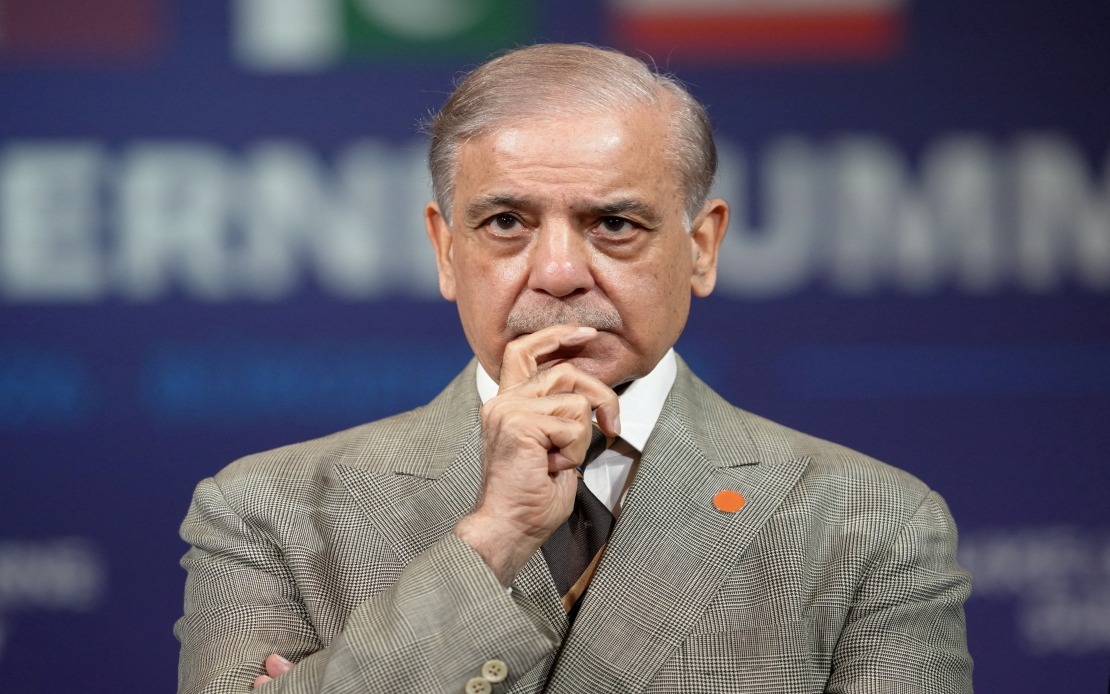
Pakistan's Prime Minister Shehbaz Sharif has revealed that the United States and Iran have committed to a concentrated round of negotiations spanning the next 60 days, focusing on three critical areas: the nuclear question, ballistic missile capabilities, and billions in frozen Iranian assets held internationally. Speaking in the National Assembly in Karachi on Tuesday, Sharif indicated that both nations aim to transform their initial Memorandum of Understanding, signed on June 17, into a comprehensive and durable accord within this timeframe.
The timeline marks an acceleration in diplomatic efforts between Washington and Tehran, two regional powers whose fractious relationship has defined Middle Eastern geopolitics for decades. The existence of the Islamabad Memorandum of Understanding itself represents a significant diplomatic achievement, with Pakistan playing a key role as mediator alongside Qatar in facilitating the breakthrough. Sharif's remarks suggest that negotiators have moved beyond preliminary exchanges and are now entering a phase where substantive compromises must be hammered out on the most contentious issues dividing the two governments.
For Southeast Asian observers, particularly those in Malaysia, the significance of this development extends beyond the immediate parties involved. A stabilised relationship between the US and Iran could reshape global energy markets, potentially affecting oil prices and regional security arrangements. Pakistan's central role in brokering these discussions also underscores the country's geopolitical importance as a bridge between Western powers and the Islamic world, a position that carries implications for regional cooperation frameworks across Asia.
However, the path ahead remains treacherous, with fundamental disagreements already emerging even as the formal negotiating period begins. Iran's Foreign Ministry has flatly rejected any discussion of its ballistic missile programme, with spokesman Esmaeil Baghaei asserting that such matters were never part of the Switzerland talks in Burgenstock. This categorical position suggests that the two sides may be operating from substantially different understandings of what should be negotiated, a discrepancy that could rapidly derail the 60-day timeline if not carefully managed.
Equally contentious is the question of international inspections. The International Atomic Energy Agency, which typically plays a vital verification role in any nuclear agreement, faces restrictions on accessing Iranian facilities that were previously targeted during military strikes. Baghaei stated explicitly that Tehran does not intend to grant IAEA inspectors access to these attacked nuclear sites, a position that fundamentally challenges the transparency mechanisms that nuclear agreements typically depend upon for their credibility and enforcement.
These early indications of disagreement reveal the depth of mutual distrust that persists despite the apparent breakthroughs. The missiles question is particularly thorny because Iran's ballistic arsenal is inextricably linked to its sense of security and regional deterrence posture. For the United States and its allies, particularly Israel, Iranian missile capabilities represent an ongoing threat that any agreement must address. The fact that Iran refuses to place missiles on the negotiating table suggests that the Islamabad MoU may codify a deal on nuclear enrichment activities while leaving the most destabilising weapons systems untouched.
Sharif's description of the recent Switzerland negotiations as "historic" and yielding "progress" reflects Pakistan's investment in successfully shepherding these talks toward a comprehensive outcome. Pakistan itself stands to benefit significantly from a reduction in regional tensions, as nuclear-armed rivalry between Iran and surrounding states generates instability that inevitably affects the subcontinent. The country's participation as a formal signatory to the MoU demonstrates its confidence that a diplomatic solution is achievable, though Pakistan's diplomatic credibility will be tested if the 60-day window passes without a final agreement.
The role of Qatar alongside Pakistan in these mediations is also noteworthy. Both countries occupy unique positions in Middle Eastern diplomacy—Pakistan as a bridge between the Islamic world and the West, Qatar as a wealthy Gulf power with relationships across the region's dividing lines. Their joint mediation effort suggests a coordinated approach to defusing tensions, though their divergent interests in regional outcomes could also create complications if negotiations become contentious.
For Malaysian policymakers and observers of international affairs, these negotiations merit close attention for several reasons. An Iran nuclear agreement would alter calculations regarding maritime security in the Strait of Hormuz, through which a substantial portion of global oil transits and through which Malaysia maintains important shipping routes. Moreover, regional stability in the Middle East directly influences Southeast Asia's investment climate and the flow of capital into the region. The success or failure of these talks also sets precedents for how regional powers can use mediation to resolve intractable disputes—lessons potentially applicable to Southeast Asian territorial disagreements.
The coming 60 days will reveal whether the apparent momentum from Switzerland can be sustained when negotiating teams engage with technical details and hard compromises. The disagreements already surfacing over missiles and inspections suggest that Sharif's optimism, while diplomatically appropriate, may underestimate the obstacles still confronting negotiators. Success would require both the US and Iran to move significantly from their publicly stated positions, a political calculus that both governments must carefully navigate given domestic pressures and regional complications.
The deadline itself carries strategic importance. If both sides commit to delivering a final agreement within two months, it creates urgency that can sometimes facilitate compromise. Conversely, an artificial timeline can breed cynicism if either party uses it as cover for diplomatic intransigence, claiming that the timeframe was simply unrealistic. How the negotiators manage this temporal framework may ultimately determine whether the Islamabad MoU becomes the foundation for lasting peace or merely another diplomatic episode in the long conflict between Washington and Tehran.