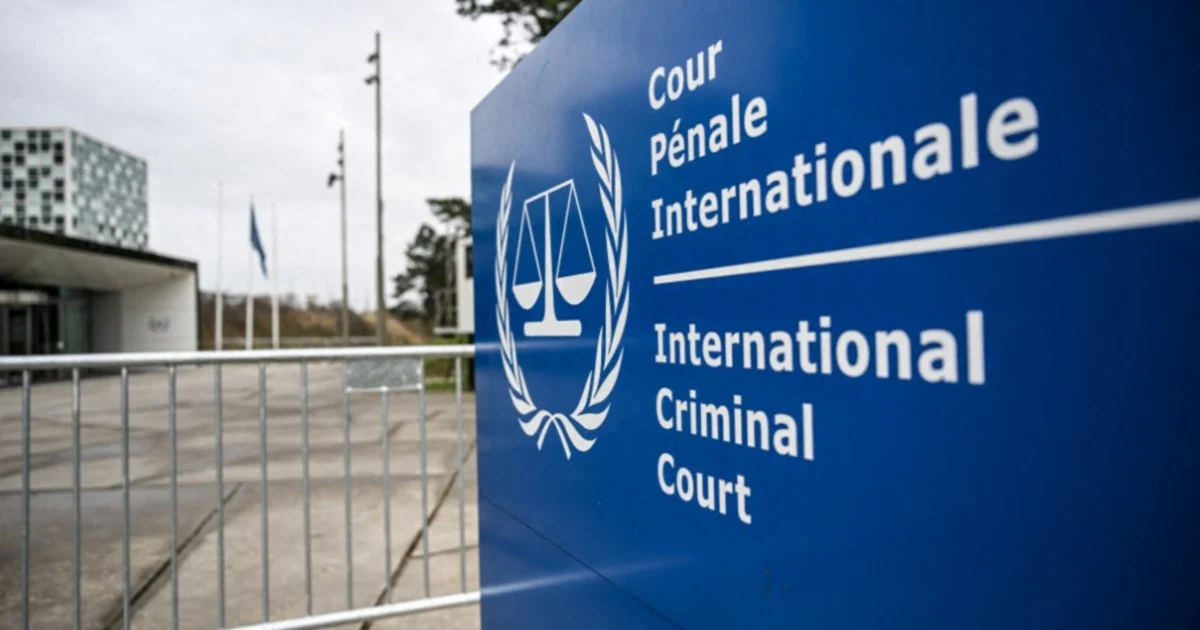
The Trump administration faces fresh legal challenges to its aggressive stance toward the International Criminal Court, with two US-based advocacy organisations launching a constitutional lawsuit this week that targets sanctions imposed on the tribunal as unconstitutional restrictions on free speech rights. The legal action represents an escalation of domestic opposition to the administration's campaign to undermine the multilateral institution, which American officials have pursued through diplomatic pressure and economic measures.
The lawsuit challenges the administration's interpretation of presidential authority over sanctions and poses fundamental questions about the extent to which executives can restrict communications and advocacy activities that touch on foreign policy matters. For Malaysia and other Southeast Asian nations with interests in international justice mechanisms, the dispute carries implications for how powerful states may use economic leverage to reshape global institutions and whether such pressure campaigns can withstand domestic legal scrutiny.
The advocacy groups argue that the sanctions regimen goes beyond traditional foreign policy measures by effectively chilling speech and preventing legitimate civil society engagement with the ICC. By imposing financial and diplomatic penalties tied to the court's operations, the administration has created consequences that discourage US-based organisations from maintaining contact with ICC officials or supporting its work, the groups contend. This approach effectively transforms foreign policy disagreements into domestic speech restrictions, they assert.
The Trump administration's escalating campaign against the ICC has included a diplomatic charm offensive this week, with senior officials signalling their intent to pursue the court's dismantling or fundamental restructuring. These actions followed the ICC's investigative activities that have touched sensitive geopolitical territories where American interests remain involved. The administration has characterised its opposition as defending American sovereignty against what it views as an overreaching international body.
For regional observers, the dispute illuminates how great powers navigate their relationship with international justice systems. The ICC's jurisdiction extends across numerous countries, and its investigations have implications for how nations approach accountability and international law. Southeast Asian countries have varying levels of engagement with the court, and the Trump administration's pressure campaign signals how far an administration is willing to go to constrain judicial independence in service of state interests.
The constitutional question at the heart of the lawsuit focuses on whether the administration's sanctions apparatus unlawfully burdens First Amendment protections for expression and association. The advocacy groups argue that by penalising engagement with the court, the government creates impermissible pressure on organisations to avoid speaking about ICC activities or supporting its work. Constitutional law scholars have long recognised that foreign policy cannot be deployed as a pretext for suppressing domestic speech rights.
The timing of the legal challenge matters considerably. As the administration consolidates its approach toward the ICC, domestic institutions are beginning to push back through available legal mechanisms. This suggests that the administration's project will face not only diplomatic opposition but also internal constitutional constraints. Courts will need to balance the executive's traditionally broad latitude in foreign affairs against enduring constitutional protections for expression and civil society activity.
The case also reflects deeper tensions within American policymaking between those prioritising international institution-building and those viewing multilateral bodies with suspicion. The advocacy groups bringing suit represent constituencies that see value in the ICC as a mechanism for addressing mass atrocities and crimes against humanity. Their legal challenge attempts to protect space for that vision to persist, even as the current administration pursues an antagonistic approach.
From a Southeast Asian perspective, the outcome of this litigation could influence how countries in the region approach their own relationships with international courts and tribunals. If the administration's sanctions face successful constitutional challenges, it may signal limits to how far individual states can go in pressuring multilateral institutions. Conversely, if courts uphold the administration's authority, it establishes precedent for future administrations to employ similar tactics.
The immediate stakes involve whether the advocacy groups can obtain judicial review that prevents the administration from enforcing the sanctions pending the lawsuit's resolution. The broader stakes concern whether constitutional free speech protections can constrain foreign policy decision-making in the surveillance state and sanctions era, when governments increasingly use economic tools to shape international behaviour. The ICC dispute thus becomes a proxy for larger questions about the appropriate boundaries between foreign policy prerogatives and domestic constitutional rights.
Legal observers note that similar disputes have arisen when administrations have attempted to restrict engagement with entities designated under various sanctions regimes. Courts have sometimes found that such restrictions impermissibly burden protected speech, though outcomes depend heavily on whether the government can articulate substantial security or foreign policy interests that justify the burden. The ICC sanctions will likely receive scrutiny on similar grounds.
As the litigation unfolds, Malaysian policymakers and regional observers should monitor how American courts address these questions. The resolution will offer insights into whether powerful states face meaningful domestic legal constraints when deploying sanctions and economic pressure to reshape international institutions. For nations seeking to understand how global power operates beneath the surface of formal diplomacy, this case provides an instructive window into the intersection of constitutional law, institutional politics, and great power competition.

