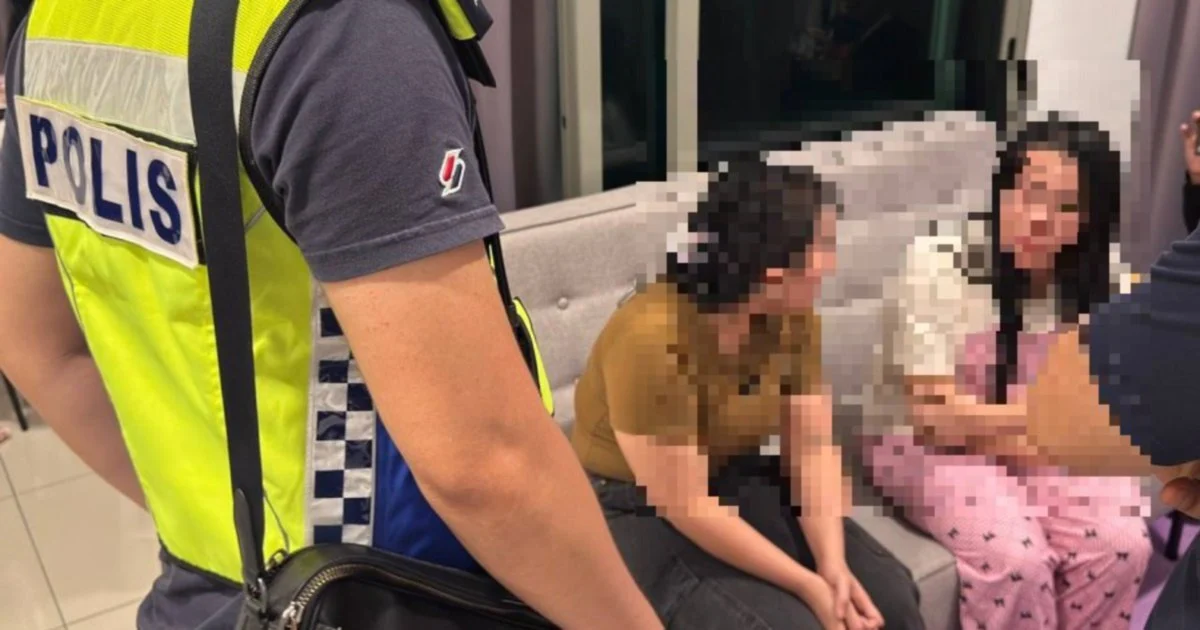
A university student became the focus of a police investigation after authorities conducted an operation targeting suspected illegal prostitution activities in a Cyberjaya apartment building yesterday. The student, who reportedly sought to supplement her income during the academic break, now faces potential charges arising from the enforcement action.
The raid represents part of broader law enforcement efforts across the Selangor state capital, where authorities continue to monitor residential units suspected of facilitating sex work. Cyberjaya, home to Malaysia's technology and digital innovation sector, has seen increased scrutiny of such activities as local authorities work to maintain public order and enforce relevant legislation.
Investigations following the operation are ongoing, with police gathering evidence and statements from those involved. The circumstances surrounding the student's decision to engage in such activities during her semester break underscore economic pressures that some students face, despite the availability of other legitimate employment opportunities. Many Malaysian university students pursue casual work during breaks, though most opt for safer and legal alternatives such as retail positions, tutoring, or internship placements.
The incident raises broader questions about student financial management and university support systems. Educational institutions across Malaysia have responded to similar cases by emphasising counselling services and financial assistance programmes designed to help struggling students identify appropriate income sources. Campus-based employment initiatives, bursaries, and emergency funds remain available at most universities to address genuine financial hardship.
From a legal perspective, the case highlights the continued enforcement of laws prohibiting commercial sex work in Malaysia. Authorities have intensified operations in urban centres and residential areas where intelligence suggests illegal activities may be operating. Such operations involve coordination between local police, intelligence units, and community reporting mechanisms.
Cyberjaya's development as a major tech and services hub has transformed it into a cosmopolitan destination attracting young professionals and students. However, rapid urbanisation and mobile populations can create vulnerabilities where illicit services establish themselves. Property owners and management companies in the district face increased pressure to implement tenant screening and monitoring protocols to prevent misuse of residential facilities.
The arrest also carries implications for the student's academic future. Most Malaysian universities maintain codes of conduct requiring disciplinary action against students convicted of serious offences. Expulsion or suspension represents a significant consequence that could derail educational and career prospects. Legal support and mentorship during this period becomes critical for individuals facing such situations.
Police have not released specific details regarding charges or the alleged operation's scale. However, enforcement actions of this type typically involve coordinating with apartment management, examining communication records, and interviewing other parties who may have knowledge of the suspected activities. The transparency of such investigations varies, with authorities balancing public interest against suspect privacy and ongoing operational concerns.
Parents and guardians of university students would benefit from open conversations about financial pressures, employment expectations, and personal safety. Educational campaigns addressing the risks associated with informal or illegal work arrangements could help young people understand potential consequences before engaging in compromising situations. Universities, student unions, and community organisations have roles in disseminating such information effectively.
The broader context of sex work enforcement in Malaysia remains complex. While prostitution itself is not explicitly criminalised, numerous related offences exist including solicitation, pimping, and operating premises for sexual services. These provisions create legal frameworks that authorities employ in operations like yesterday's Cyberjaya raid. Different enforcement approaches and social perspectives on sex work exist across Malaysian states, reflecting varying interpretations of Islamic principles, federal law, and community standards.
Looking forward, this incident may prompt apartment operators in Cyberjaya and similar developments to review security measures and tenant verification processes. Property management companies increasingly recognise that preventing illegal use of facilities protects their reputation, maintains property values, and supports community safety objectives. Technology solutions including CCTV monitoring and access logging have become more common in residential complexes seeking to deter illicit activities.
The case ultimately underscores the vulnerability of young people facing economic pressures and limited perceived options. Prevention efforts that combine legal education, economic support, and community engagement would likely prove more effective than enforcement alone. Universities, family support systems, and accessible counselling services represent important safeguards that can guide students toward legitimate livelihood strategies during their studies.

