Universiti Malaysia Perlis (UniMAP) is positioning itself as a critical talent supplier for Malaysia's semiconductor and electronics industries, graduating nearly 2,000 students each year to address the sector's growing demand for skilled professionals. The university's output represents a substantial contribution to the country's broader workforce development strategy as Malaysia seeks to consolidate its position as a global semiconductor manufacturing and export powerhouse amid intensifying international competition for tech talent and production capacity.
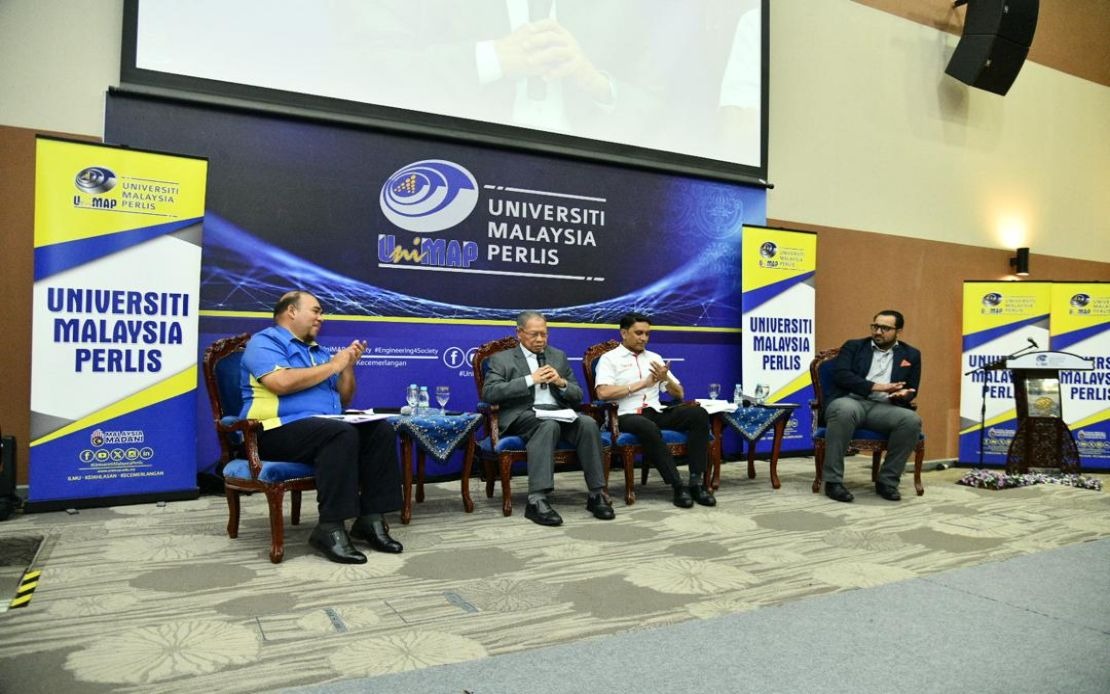
Universal alignment with national policy objectives underpins UniMAP's educational direction. The institution has explicitly anchored its curriculum and programme development to the National Semiconductor Strategy (NSS), an ambitious government initiative that targets the production of 60,000 skilled workers and engineers by 2030. This coordinated approach between higher education and industrial policy reflects recognition that semiconductor manufacturing and related technologies require sustained investment in human capital to remain viable over the long term. UniMAP Vice-Chancellor Datuk Prof Dr Zaliman Sauli emphasised this connection during the From Semiconductor Policy to Industry Forum held at the university, characterising the institutional commitment as essential to supporting the government's transformation agenda.
Employment data from UniMAP demonstrates tangible outcomes from its semiconductor-focused programmes. Graduate Employability figures for 2024 and 2025 indicate that more than 30 per cent of the university's graduates secured their initial employment within the electronics and electronics sector, suggesting that the institution's curriculum and industry partnerships are effectively preparing students for career entry in these high-value fields. This employment concentration indicates both the absorptive capacity of local semiconductor and electronics firms and the market relevance of UniMAP's academic offerings in a competitive knowledge economy.
Malaysia's standing in global semiconductor markets provides crucial context for understanding why such educational investment is strategically important. The country currently ranks as the world's sixth-largest semiconductor exporter, accounting for seven per cent of international chip trade and commanding a 13 per cent share of the global Assembly, Testing and Packaging (ATP) market. These metrics reflect decades of manufacturing excellence and supply chain integration, yet they also underscore the competitive pressures facing Malaysian firms as technological advancement accelerates and other nations invest heavily in semiconductor capacity. Maintaining these market positions requires continuous recruitment and development of technical talent, making institutions like UniMAP essential partners in sustaining industrial competitiveness.
The broader context of semiconductor technology's expanding role in the global digital economy amplifies the strategic importance of workforce development initiatives. Semiconductors now constitute foundational infrastructure for emerging technologies spanning artificial intelligence, electric vehicles, data centres, and consumer electronics from smartphones to internet-of-things devices. As demand for computing power and specialised chips intensifies across these applications, nations and companies competing for market share recognise that access to skilled engineers and technicians directly influences their capacity to innovate and scale production. Malaysia's semiconductor sector must attract and retain talent to capture opportunities within these growth markets.
UniMAP is pursuing multiple mechanisms to strengthen the pipeline linking academic training to industry employment and technical advancement. The university has established or expanded programmes including Industry-on-Campus initiatives that bring company operations onto university campuses, Industry Advisory Panels that ensure curriculum aligns with practitioner knowledge and evolving skill requirements, International Adjunct Professors who bring global expertise and connections, and industry-recognised professional certification programmes that supplement degree credentials with credentials valued by employers. These multifaceted partnerships reflect understanding that semiconductor workforce development benefits from close coordination between educational institutions and the companies that ultimately employ graduates.
The semiconductor forum held at UniMAP drew participation from senior figures across government, regional development, and multinational technology sectors, indicating broad recognition of the workforce imperative. The panel included former International Trade and Industry Minister Datuk Seri Dr Mustapa Mohamed, Northern Corridor Implementation Authority (NCIA) Chief Executive Datuk Mohamad Haris Kader Sultan, and Micron Technology Inc Malaysia's Head of Government and Public Affairs Ahmed Zaki Moten. This composition reflected the interconnected nature of semiconductor development, requiring alignment across trade policy, regional economic strategy, and private sector investment and talent management.
Regional positioning within Malaysia influences semiconductor sector development and workforce needs. The Northern Corridor, encompassing states like Perlis where UniMAP is located, has been identified as strategically important for semiconductor cluster development and industrial diversification. By concentrating educational and industrial infrastructure in this region, Malaysian policy aims to create agglomeration effects that attract investment, facilitate knowledge transfer, and create career opportunities that reduce brain drain to major urban centres. UniMAP's graduate output directly supports this regional development strategy.
UniMAP Vice-Chancellor Zaliman Sauli stressed that competitive advantage in semiconductors depends fundamentally on sustained collaboration across government, industry, and educational institutions. He argued that Malaysia's ability to retain and expand its market position globally depends on ensuring that universities, technology companies, and policy makers operate in sufficient coordination to anticipate skill needs, design responsive educational programmes, and create career pathways that retain talent domestically. This systems-level perspective acknowledges that no single institution can independently ensure workforce adequacy in a capital-intensive, technologically dynamic sector.
The nearly 2,000 annual graduates from UniMAP represent progress toward the National Semiconductor Strategy's 60,000-worker target, yet the arithmetic suggests that multiple institutions across Malaysia will need to expand semiconductor-related programmes substantially to achieve the goal by 2030. This implies that UniMAP's efforts, while significant, constitute part of a broader ecosystem in which other universities, polytechnics, and vocational training providers must similarly align curricula and partnerships toward semiconductor sector needs. The success of Malaysia's semiconductor strategy thus depends not only on institutional excellence at individual universities but on coordinated capacity expansion across the entire tertiary education sector.
Malaysia's semiconductor sector offers both opportunities and vulnerabilities in an increasingly competitive global environment. Maintaining the current market share amid rising competition from South Korea, Taiwan, China, and emerging semiconductor hubs requires constant technological upgrading and access to skilled talent. UniMAP's commitment to producing nearly 2,000 graduates annually represents institutional recognition that educational excellence and industry alignment constitute competitive necessities rather than discretionary investments in this high-stakes sector.

