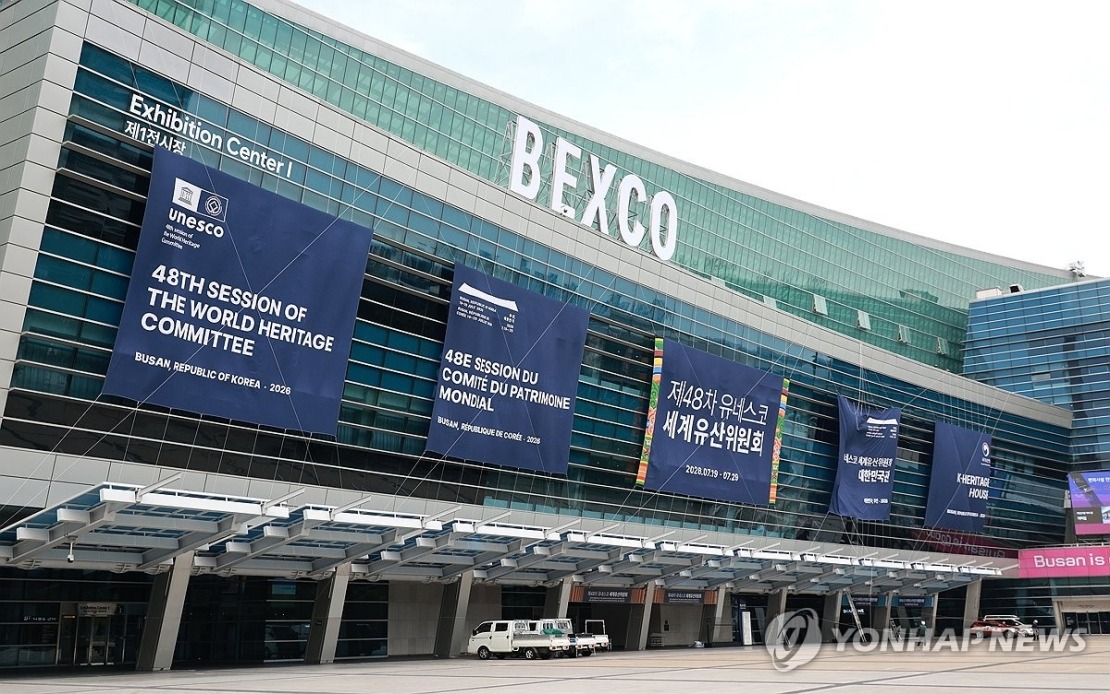
The UNESCO World Heritage Committee has begun its annual gathering in Busan, South Korea, with approximately 3,000 representatives from across the globe descending on the port city to participate in one of the organisation's most significant annual events. Held at the Busan Exhibition and Convention Centre, located about 330 kilometres southeast of Seoul, the 10-day session marks a milestone for the country, which has never previously hosted this prestigious meeting since becoming a signatory to the UNESCO World Heritage Convention in 1988.
The assembly brings together delegates representing all 196 UNESCO member states alongside officials from international organisations and non-governmental entities. Among the high-level attendees are UNESCO Director-General Khaled El-Enany, Assistant Director-General for Culture Nayef Al-Fayez, and Lazare Eloundou Assomo, who heads the World Heritage Centre. This concentration of heritage experts, policymakers, and cultural officials underscores the significance of the session in shaping global approaches to conservation and cultural preservation.
As the primary decision-making body within UNESCO's structure for matters concerning cultural and natural heritage sites, the committee carries substantial responsibility in advancing the international protection of humanity's most treasured locations. The annual convening serves multiple critical functions that extend far beyond ceremonial purposes. Each year, the committee evaluates hundreds of nominations from countries seeking to have sites inscribed onto the World Heritage List, a designation that brings global recognition and typically increases international support for conservation efforts.
For nations across Southeast Asia and beyond, including Malaysia, the committee's deliberations hold direct implications. Countries with pending nominations or sites already on the World Heritage List have significant stakes in the committee's decisions regarding conservation standards, funding priorities, and policy frameworks. The assessment of existing sites' conservation status represents another crucial dimension of the committee's work, as deteriorating conditions at heritage locations can trigger interventions ranging from technical assistance to removal from the list—a potent incentive for countries to maintain their commitments to preservation.
The venue selection itself carries symbolic weight. South Korea's position as a technologically advanced nation with a rich cultural heritage serves as an appropriate backdrop for discussions about balancing modernisation with conservation. The country's own experience in protecting diverse heritage sites, from ancient Buddhist temples to traditional villages, provides valuable practical insights that can inform global heritage strategies.
Beyond individual site nominations and assessments, the committee addresses broader policy questions that shape the entire World Heritage Convention framework. These discussions encompass evolving challenges such as climate change impacts on cultural sites, the role of indigenous communities in heritage management, and equitable representation of non-Western cultural traditions within the World Heritage List. In recent years, debates have intensified regarding whether the list adequately reflects the world's cultural diversity or remains weighted towards European and Western heritage.
For Malaysia specifically, the outcomes of such sessions influence how the nation's own heritage properties are evaluated and supported. With several Malaysian sites on the World Heritage List, including the Petronas Twin Towers vicinity and historic Georgetown in Penang, decisions made in Busan regarding conservation standards and resource allocation can have cascading effects on Malaysian heritage management strategies and international cooperation initiatives.
The 10-day duration of the session reflects the complexity and volume of business to be conducted. Committee members must carefully review detailed nomination dossiers, deliberate on technical evaluations from heritage experts, and negotiate consensual positions on contentious policy matters. The extended timeframe allows for thorough consideration rather than rushed decision-making that could compromise the rigour expected in determining which sites merit World Heritage status.
Climate change presents an increasingly pressing concern for the committee's agenda. Rising sea levels threaten coastal heritage sites across multiple continents, including island nations in Southeast Asia. Extreme weather events damage historic structures and endanger cultural landscapes. The committee must grapple with how to support member states in implementing climate adaptation strategies while maintaining heritage integrity—a particularly acute challenge for developing nations with limited resources.
The gathering also serves networking and capacity-building functions that, while less visible than formal deliberations, carry substantial value. Heritage professionals, conservation specialists, and government officials from around the world exchange experiences, forge collaborative relationships, and strengthen institutional connections. These relationships often lead to technical partnerships, knowledge transfer, and joint conservation initiatives that extend long after the session concludes.
South Korea's hosting represents a broader trend of rotating such major international events among diverse geographic regions, enhancing global participation and demonstrating commitment to inclusive international governance. For the host nation, the prestige of hosting such a prominent UNESCO gathering reinforces its standing within international cultural networks and elevates public awareness of heritage conservation domestically.
The outcomes emerging from this Busan session will likely shape heritage policy and conservation priorities for the coming year and establish precedents for future deliberations. Decisions made regarding contentious nominations, conservation crises, and policy frameworks will resonate throughout the global heritage community, influencing how nations like Malaysia prioritise and manage their cultural assets in an increasingly complex world.

