The UN Secretary-General Antonio Guterres has intervened in the escalating standoff between Iran and the United States, calling for an immediate cessation of military operations and a swift return to the negotiating table. Speaking through his spokesperson Stephane Dujarric in a statement released on Sunday, Guterres signalled the international community's alarm at what he characterised as a dangerous pattern of tit-for-tat military actions that threatens to spiral beyond control.
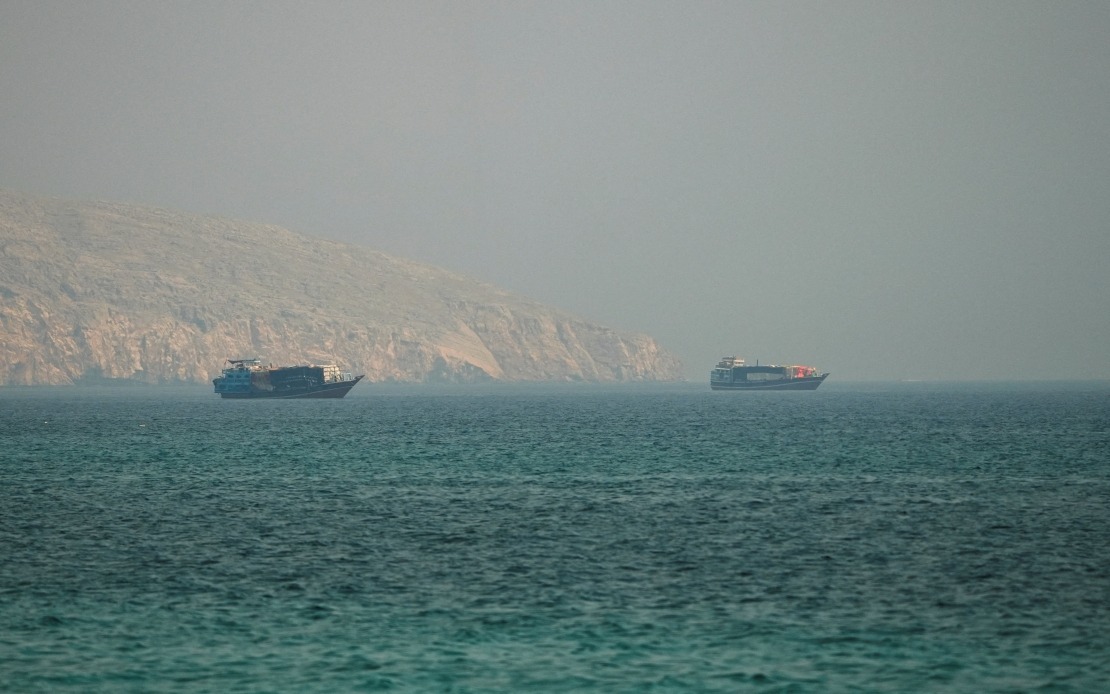
The UN chief expressed deep concern about the trajectory of recent events in the Gulf region, citing a troubling sequence of incidents. These include Iranian maritime attacks on shipping vessels transiting the Strait of Hormuz, retaliatory strikes by the United States targeting Iranian positions, and Iranian military operations extending into neighbouring countries. This cycle of provocation and counter-provocation has created what observers describe as the most volatile environment in the region in years, with each action carrying the potential to trigger wider conflict.
Guterres's appeal emphasises the critical importance of restraint from all parties involved in the confrontation. His message underscores a fundamental principle of international diplomacy: that once military escalation begins, controlling its trajectory becomes exponentially more difficult. The UN leadership recognises that without immediate intervention and de-escalation measures, the region faces the prospect of uncontrolled conflict with implications extending far beyond the immediate participants.
The potential consequences of full-scale hostilities are, according to the UN chief, catastrophic in scope. A major conflict in the Gulf would inevitably devastate the civilian populations across the region, causing humanitarian suffering on a massive scale. Beyond the immediate human cost, such a conflict would fundamentally destabilise international peace and security architecture, with ripple effects touching every continent. The global economic implications alone are staggering, given the region's outsized importance to international energy markets and trade flows that sustain economies worldwide, including those of Southeast Asia.
For Malaysia and other regional trading nations, the stakes are particularly high. The Strait of Hormuz serves as one of the world's most critical maritime chokepoints, with roughly one-third of all seaborne traded oil passing through its waters. Any sustained disruption to shipping through this waterway would immediately impact fuel prices, supply chains, and economic growth across Southeast Asia. Malaysian companies with investments or operations in the region, as well as those dependent on stable energy prices, face genuine exposure to the consequences of further escalation.
The UN Secretary-General specifically highlighted the imperative to restore full freedom of navigation through the Strait of Hormuz, a multilateral concern transcending bilateral Iranian-American disputes. The principle of unrestricted passage through international waterways forms a cornerstone of global maritime commerce and has been upheld under international law for centuries. Current disruptions to this freedom represent a departure from established norms that the international community cannot afford to normalise.
Guterres's call for urgent diplomatic engagement targets both Tehran and Washington directly, placing responsibility squarely on both regional and global powers to seek resolution through negotiation rather than military means. The UN chief's intervention reflects a broader international consensus that the issues dividing Iran and the United States, while complex and deeply rooted in historical grievances and strategic competition, are fundamentally negotiable. Diplomatic solutions exist, but only if both parties demonstrate the political will to engage seriously and comprehensively.
The timing of Guterres's statement reflects the trajectory of recent months, during which tensions have mounted incrementally rather than remaining static. Each incident contributes to a psychological environment where preemptive military action becomes increasingly tempting to decision-makers who fear being caught vulnerable. Breaking this cycle requires external pressure combined with internal political incentives favouring negotiation over confrontation. The UN, as the principal institution for maintaining international peace, bears responsibility for articulating these pressures clearly and consistently.
For Malaysia and Southeast Asian nations more broadly, this Gulf crisis presents both direct and indirect concerns. Direct exposure comes through energy security and maritime commerce, both vital to regional prosperity. Indirect exposure manifests through potential security spillovers, as regional powers might exploit Gulf instability to advance their own strategic interests elsewhere in Asia. A destabilised Gulf could accelerate arms competition and military buildups across the Indo-Pacific region, diverting resources from development and cooperation.
The UN's diplomatic overture also reflects awareness that military solutions to the underlying Iranian-American dispute have proven elusive for decades. Previous sanctions regimes, threats, and limited strikes have failed to resolve core disagreements. This historical pattern suggests that only comprehensive negotiations addressing the fundamental sources of mistrust can produce durable settlements. Guterres's appeal thus embodies the accumulated wisdom of international relations practice rather than naive optimism.
The international community now awaits Tehran and Washington's responses to these appeals. Whether either government demonstrates receptiveness to diplomatic overtures will determine whether the current cycle of escalation can be interrupted before triggering more serious conflict. The window for negotiated settlements typically narrows as military actions accumulate and nationalist sentiment hardens, making Guterres's urgent tone entirely appropriate to the moment.

