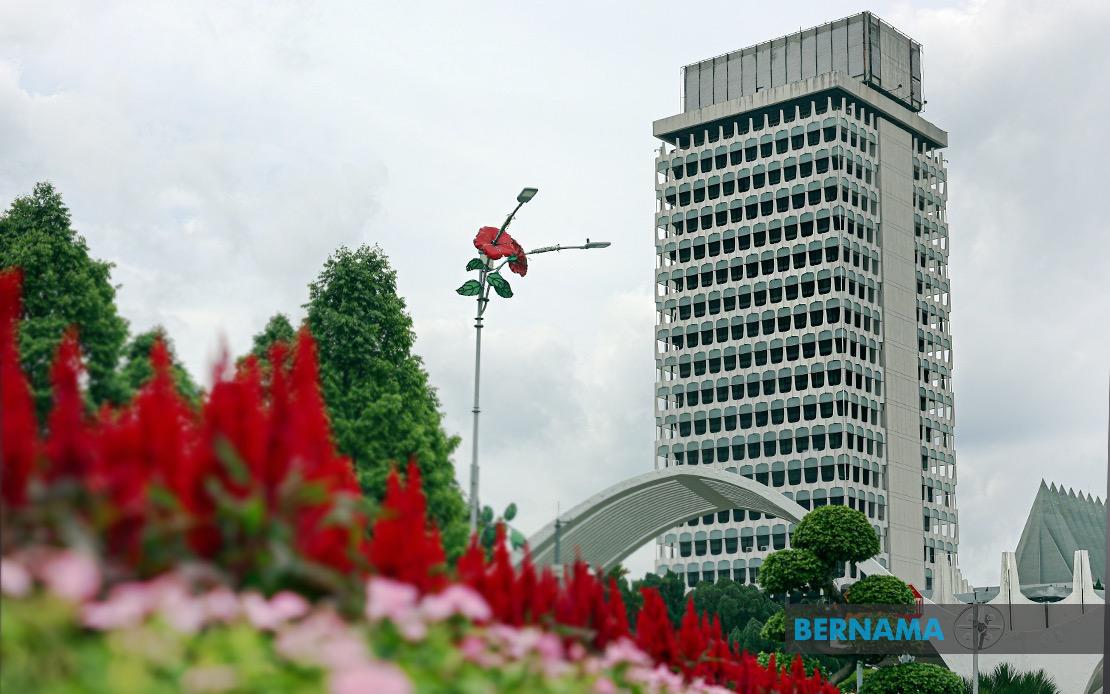
Parliament reconvenes today for a 16-day sitting that will place Malaysia's international standing and domestic resilience squarely under scrutiny. Among the most pressing matters scheduled for discussion are the country's position on reforming the United Nations Security Council, the government's readiness to combat an anticipated food shortage, and the structural vulnerabilities facing Malaysia's defence procurement. These deliberations underscore growing concerns within the legislature about how effectively Kuala Lumpur can navigate geopolitical challenges while protecting citizens from supply-side shocks.
The question of UN Security Council reform has become increasingly salient as developing nations challenge the post-World War II architecture that concentrates overwhelming power in the hands of a handful of permanent members wielding veto authority. Datuk Seri Sh Mohmed Puzi Sh Ali, representing the Pekan constituency under the Barisan Nasional banner, will press the Foreign Minister to articulate Malaysia's strategic vision for overhauling the UN system. The inquiry extends beyond rhetorical positioning, seeking clarity on concrete initiatives that would amplify Malaysia's voice and influence within the organisation. For a middle-power nation like Malaysia, which has historically championed the interests of the Global South, the ability to shape international institutions directly affects its capacity to shape narratives and outcomes on issues ranging from climate change to trade equity.
The second major area of parliamentary attention concerns food security, a vulnerability that has become impossible for policymakers to ignore. Rising agricultural input costs, exacerbated by regional instability in West Asia and broader supply chain disruptions, have created genuine anxiety about Malaysia's capacity to feed itself. Shaharizukirnain Abd Kadir of Perikatan Nasional's Setiu division will challenge the Agriculture and Food Security Minister to detail the government's contingency planning should global food prices spike further or supplier nations impose export restrictions. The question pointedly addresses whether financial incentives offered to food-producing states have meaningfully improved domestic self-sufficiency levels. For Malaysia, a nation dependent on imports for roughly half its food supply, this represents an existential policy question that intersects with inflation management, rural development, and social stability.
Malaysia's structural dependence on foreign defence suppliers will also face parliamentary examination. Datuk Awang Hashim, representing Pendang for Perikatan Nasional, intends to ask the Defence Minister how reliance on external suppliers has constrained long-term strategic planning for critical military assets. The inquiry probes a genuine vulnerability: supply chain disruptions, delayed deliveries, and contract cancellations pose real risks to national defence readiness. This line of questioning reflects broader concerns across the region about the fragility of globalised procurement systems when geopolitical tensions rise. How Malaysia manages this trade-off between cost-effectiveness and strategic autonomy will shape defence capabilities for years ahead.
Green hydrogen development and energy policy coordination represent another focal point. Rodiyah Sapiee of the GPS bloc from Batang Sadong will query the Science, Technology and Innovation Minister regarding mechanisms for aligning national energy strategy with Sarawak's aspirations to establish itself as Southeast Asia's premier green hydrogen production hub. This question signals recognition that Malaysia's energy future depends on coordinating federal and state-level policies while building capacity in emerging technologies. Sarawak, with abundant hydroelectric resources and strategic positioning, could anchor regional energy transition efforts, but only if coherent national frameworks support that vision. The inquiry suggests legislative interest in ensuring such ambitions translate into tangible investment and development.
Beyond these high-profile ministerial questions, Parliament will process seven government Bills during the sitting. Among these are amendments to telecommunications and multimedia legislation, alongside a new Social Work Profession Bill. The Communications and Multimedia Amendment Bill 2026 and the related Malaysian Communications and Multimedia Commission Amendment Bill 2026 carry particular significance in an era of rapid digital transformation and evolving cybersecurity threats. These measures likely address regulatory gaps that have emerged as technology outpaces existing legal frameworks. The Social Work Profession Bill aims to professionalise and standardise social work practice, a necessary step given Malaysia's expanding needs in mental health support, family services, and community welfare.
Parlament will also resume substantive debate on the Control of Paddy and Rice Amendment Bill 2026, which directly connects to earlier discussions about food security. This legislation speaks to efforts to stabilise domestic rice supply, manage paddy farmer incomes, and maintain strategic reserves. The bill's passage through Parliament carries symbolic weight beyond its immediate legal impact, signalling commitment to protecting domestic agricultural producers even as global market pressures mount. Once the relevant minister concludes debate on this measure, it will advance toward a vote.
The scheduling of these matters reflects legislative priorities that centre on national resilience in an unstable global environment. Whether addressing the structural imbalances in international institutions, domestic food production vulnerabilities, defence procurement risks, or energy transition planning, Malaysian lawmakers are grappling with questions about whether current policies adequately prepare the nation for emerging challenges. The 16-day sitting provides extended opportunity for detailed examination rather than rushed proceedings, allowing Parliament to fulfill its scrutiny function substantively. How effectively these discussions translate into policy adjustments will determine Malaysia's trajectory across multiple domains critical to national interests and citizen welfare.

