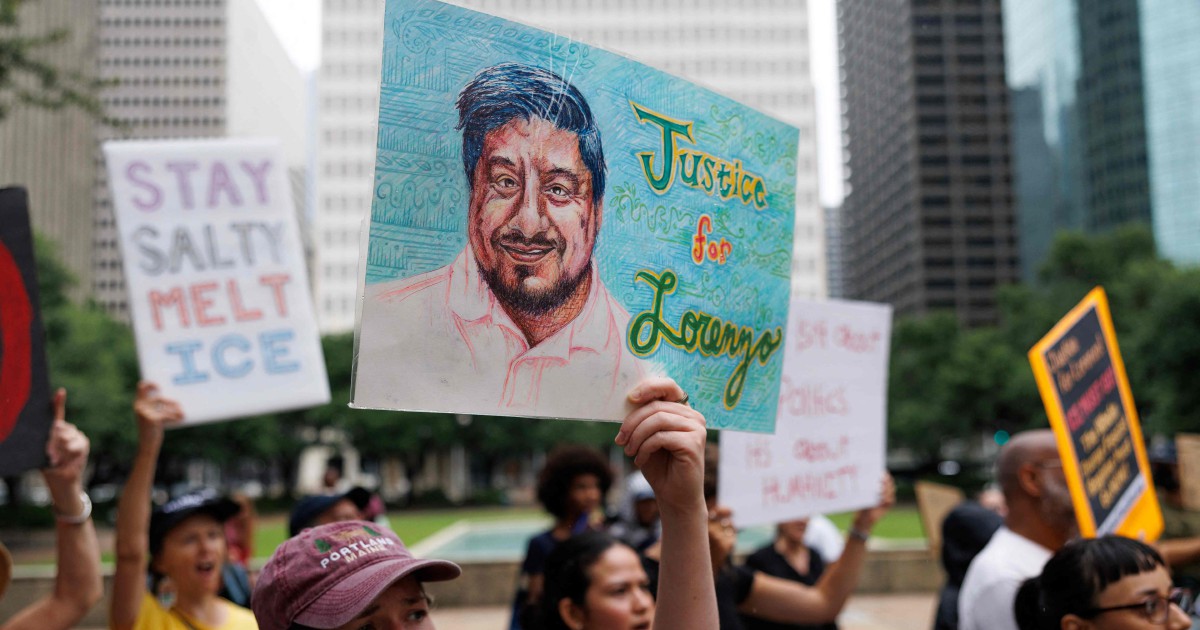
United Nations human rights experts have issued a formal call for impartial inquiries into accusations that authorities improperly suppressed or disrupted public protests highlighting Mexico's ongoing crisis of missing persons during the FIFA World Cup. The experts raised concerns on Saturday about what they characterised as undue interference with demonstrations intended to raise international awareness about thousands of disappeared individuals within Mexican territory.
The UN body's statement underscores growing international scrutiny of how Mexico manages public dissent and protest activities, particularly when such demonstrations occur during high-profile global events. The World Cup provided an unusual platform for activist groups and family members of the disappeared to demand greater accountability and government action, yet allegations suggest that security forces or other state actors may have sought to limit or curtail these visibility efforts.
Mexico faces one of the hemisphere's most severe public security crises, with tens of thousands of people having vanished under circumstances often involving organised crime, corruption among state actors, or a combination of both. The government has struggled to investigate these disappearances effectively, and many families have resorted to independent searches and public activism to maintain pressure on authorities. The World Cup presented a rare moment when international media attention converged on Mexico, creating a window for protesters to advocate for missing loved ones before a global audience.
The UN experts' intervention reflects a pattern of international concern about Mexico's human rights record and the space available for civil society advocacy. By specifically calling for investigations into interference, rather than simply noting the allegations, the UN body has elevated the issue beyond mere commentary. Such calls typically prompt diplomatic responses and can influence how international human rights organisations monitor compliance with international norms regarding freedom of assembly and expression.
The World Cup context adds particular weight to these concerns. Major international sporting events frequently attract activist attention, and host nations face heightened international scrutiny. In Mexico's case, the coincidence of hosting World Cup matches with demonstrations about disappearances created friction between the government's interest in projecting stability and positive international image against activists' determination to use the global platform for accountability.
For Malaysian observers, Mexico's experience offers cautionary lessons about managing public protest during significant international events. Southeast Asian nations, including Malaysia, have periodically hosted major sporting competitions and cultural gatherings while simultaneously navigating complex social issues. The UN's focus on investigating alleged interference suggests that international bodies increasingly expect governments to maintain robust space for peaceful demonstration regardless of the reputational implications of visible dissent during high-profile moments.
The allegation of interference encompasses a spectrum of potential actions ranging from overly restrictive permitting processes for protests, to police intimidation of demonstrators, to physical disruption of peaceful assemblies. The UN experts' call for investigation implies that such conduct, if substantiated, would violate international human rights law regarding freedom of assembly and expression. Mexico, as a signatory to multiple international human rights conventions, faces obligations to permit lawful protest and to investigate credible claims of state overreach.
The UN statement also reflects broader anxieties among international human rights monitors about the vulnerability of activists in Mexico. The country has recorded numerous killings of journalists and human rights defenders in recent years, and the context of potential interference with disappearance-related protests must be understood against this backdrop of systemic risks facing those who challenge state narratives or push for accountability.
Government authorities in Mexico have typically framed restrictions on protest activity as necessary for public order and security, particularly given genuine threats from organised crime operating in various regions. However, international bodies like the UN distinguish between legitimate security measures and pretextual suppression of dissent. The call for investigations appears designed to test whether any restrictions applied during the World Cup period crossed that threshold.
The timing of the UN statement suggests that documentation of alleged interference has reached a threshold prompting formal action. Human rights groups operating in Mexico likely compiled evidence of specific incidents during the World Cup period and submitted reports to UN mechanisms, triggering the expert intervention. This underscores how international reporting systems can amplify local voices and create external pressure for accountability.
Looking forward, the UN statement may influence how Mexican authorities handle future major international events and ongoing activism around disappeared persons. Governments increasingly recognise that international human rights scrutiny shapes their reputation and diplomatic relationships. The explicit call for investigations serves notice that alleged interference with World Cup-era protests will not fade from international attention without credible responses.
For regional observers, the episode highlights the tension between governments' interest in curating international events as platforms for national advancement and the reality that major gatherings inevitably attract activism addressing persistent social problems. Malaysia and other Southeast Asian nations hosting future international competitions may face similar pressures to balance security concerns against international expectations regarding protest rights.

