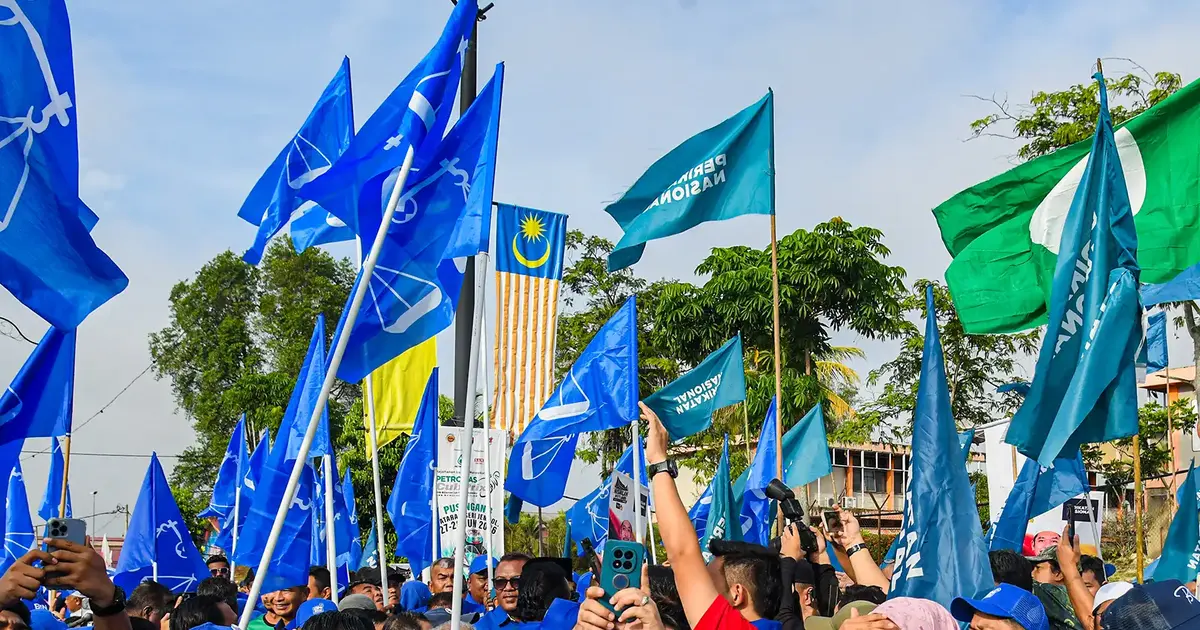
The Umno-led Barisan Nasional coalition's alliance with Perikatan Nasional faces fresh testing grounds as senior Umno figures intensify calls for the party to reassert its historical dominance across the peninsula. Political observers warn that the implicit bargain underpinning the BN-PN arrangement—a delicate balancing act forged after the 2023 general election—may prove fragile when competing ambitions over state control and parliamentary representation collide.
Analysts point to three states where the tensions are particularly acute: Terengganu, Kedah, and Perlis, where Umno currently holds no parliamentary seats whatsoever. In each of these territories, Perikatan's component parties—primarily PAS and regional allies—have established strongholds and command significant voter loyalty. The prospect of Umno demanding greater seat allocations in these constituencies threatens to unsettle arrangements that have delivered electoral victories to the broader coalition partnership.
Kelantan presents an even more complex scenario. Umno's presence in the state is minimal, having won only two parliamentary seats in recent electoral contests. Yet the party's traditional dominance in Malaysian politics fuels expectations within its hierarchy that it should command a larger footprint. This ambition sits uneasily against PAS's consolidated grip on Kelantan politics, where the Islamic party controls the state government and enjoys deep-rooted community networks built over decades.
The roots of current tensions trace to the pragmatic compromise struck after the 2023 election. Facing electoral setbacks and the need to rebuild, Umno accepted a coalition arrangement with Perikatan to ensure political survival and secure key ministerial positions at the federal level. However, such emergency pacts often contain inherent contradictions. Both blocs maintain their own organisational structures, member bases, and leadership ambitions. As the immediate crisis recedes and the next electoral cycle approaches, these underlying tensions predictably resurface.
For Malaysia's political system, this dynamic carries significant implications. The BN-PN arrangement represents an attempt to consolidate non-opposition forces and create a counterweight to PKR-led coalitions. If the alliance fractures over internal seat-sharing disputes, it could reopen political space for alternative configurations or destabilise federal-level governance. State-level conflicts often cascade upward, affecting parliamentary stability and cabinet unity.
Umno's aspiration to dominance also reflects generational and factional considerations within the party itself. Long accustomed to commanding resources and setting political direction, Umno leaders view the current alliance as transitional rather than permanent. Many within the party see the coalition arrangement as a temporary accommodation while Umno rebuilds its organisational capacity and reconnects with rural constituencies that historically formed its electoral bedrock. This underlying mentality shapes how Umno approaches seat allocation discussions.
Peikatan's perspective differs markedly. PAS, in particular, has leveraged recent years to strengthen its institutional presence, particularly in Kelantan and Terengganu, where it controls state governments. These victories represent hard-won achievements in Islamic-oriented politics and grassroots organising. From PAS's standpoint, demands from Umno to sacrifice seats in these states represent a threat to legitimacy among its supporters and a betrayal of electoral mandates the party has independently secured.
Regional partners, particularly in Kedah and Perlis, operate from even more vulnerable positions. These smaller states depend on coalition arrangements to amplify their political weight and ensure resource flows from the federal government. They view protecting their existing seat allocations as essential to their survival and relevance. Any pressure from Umno to expand presence in these territories directly threatens their parliamentary representation and bargaining power.
The practical mechanics of resolving these conflicts remain unclear. Coalition partners typically establish seat-sharing committees to negotiate allocations, but such mechanisms function most effectively when all parties recognise binding agreements. If Umno approaches these discussions with an ultimatum mentality—backed by confidence in its organisational capacity or claims to electoral dominance—the process could devolve into confrontation rather than compromise. Past instances of BN coalition tension have occasionally spilled into public disputes, damaging the broader alliance brand.
Timing amplifies these tensions. As the next general election cycle approaches, uncertainty about election dates and boundary changes keeps all parties in a state of strategic readiness. This atmosphere typically intensifies competition for seat allocations, as each party attempts to secure advantageous positions. Umno's push for expanded presence occurs within this competitive context, making negotiation more fraught than during periods of electoral stability.
For Malaysian voters and the broader political economy, the outcome matters considerably. If BN-PN sustains internal cohesion and presents a united face, it maintains capacity to govern effectively and implement policy agendas. If internal disputes over resource allocation and political supremacy fracture the alliance, governance complications inevitably follow. Previous instances of coalition tension have resulted in delayed policy implementation, reduced legislative effectiveness, and diminished investor confidence.
Analysts suggest that successful resolution will require Umno to moderate expectations or alternatively for Perikatan's component parties to accept marginal concessions in recognition of Umno's historical significance. Neither outcome appears inevitable. The coming months will reveal whether coalition architects have constructed sufficiently robust mechanisms to manage these predictable tensions, or whether the BN-PN arrangement represents merely a temporary convenience destined to fracture when electoral pressures mount.

