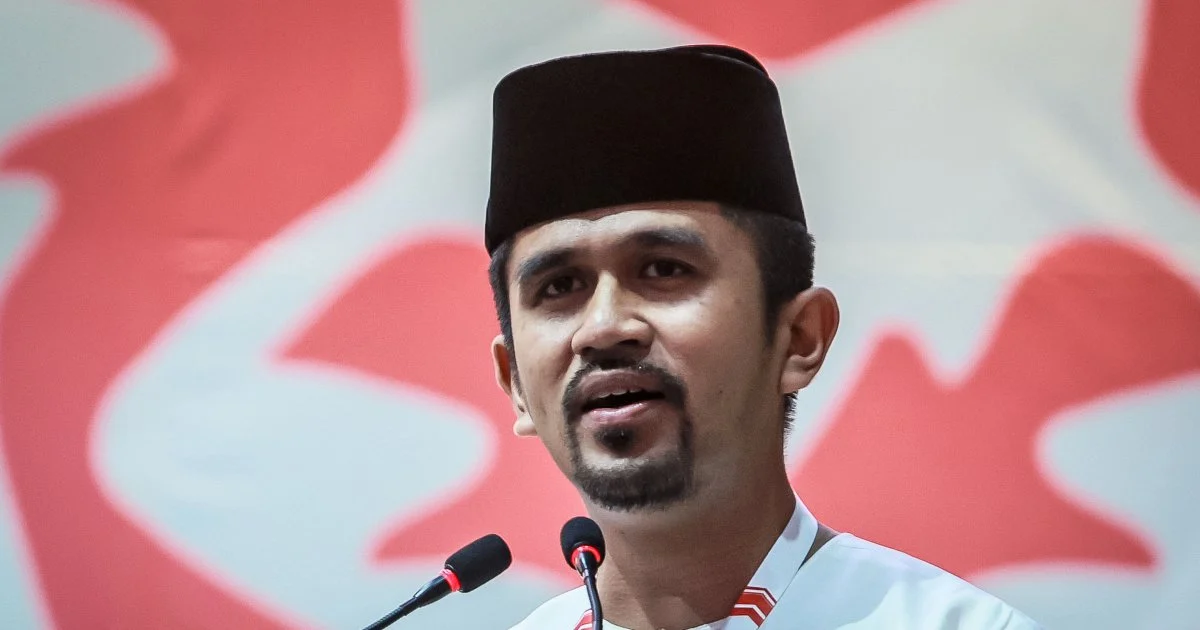
The exclusion of prominent Johor-based Pakatan Harapan figures from the opposition coalition's candidate roster for the July 11 state election has triggered criticism from the ruling bloc, with Umno Youth leadership now openly challenging the strategic decision. Hafiz Ariffin, the secretary-general of both Barisan Nasional and Umno Youth, raised eyebrows by highlighting the absence of several top PH personalities who had previously held significant political standing in the state, signalling potential internal tensions within the opposition camp.
The query from Hafiz Ariffin represents a calculated attempt by the Umno-dominated administration to project discord within the PH coalition ahead of a crucial state ballot. In Malaysian electoral politics, the visibility and prominence of seasoned political figures typically signals a coalition's confidence and stability, so the unexplained sidelining of experienced leaders can be weaponised as evidence of instability or loss of public support. By openly questioning these absences, Hafiz is attempting to frame the PH's candidate selection process as potentially problematic, whether due to internal disagreements, declining influence, or deliberate marginalization of certain faction leaders.
Johor has historically represented one of Malaysia's most fiercely contested political battlegrounds, and the state's electoral outcomes often foreshadow national trends. The July 11 election comes at a significant juncture when Pakatan Harapan continues rebuilding its political machinery following the 2023 federal elections. The composition of any coalition's candidate list in such a high-stakes context reveals strategic priorities, resource allocation, and importantly, internal power dynamics that are rarely discussed openly.
The conspicuous absence of recognizable local figures from PH's ranks raises legitimate questions about whether the coalition faced internal disagreements during candidate selection, or whether it deliberately chose a fresh slate to project change and rejuvenation. Both interpretations carry different implications for electoral prospects. A generational refresh, if executed strategically, can energize younger voter bases and signal modernization. Conversely, sidelining experienced figures may suggest factional disputes or a loss of confidence in previously prominent personalities.
For Malaysian voters in Johor, and indeed across the broader Southeast Asian region where personality-driven politics remains influential, the visibility of recognizable names on a candidate list carries substantial psychological weight. Established political figures bring proven administrative records, voter familiarity, and organizational networks that newer candidates typically lack. Their sudden absence from contention inevitably generates speculation about capability, backing, or changes in political fortune.
The Barisan Nasional's willingness to publicly highlight such apparent inconsistencies demonstrates the governing coalition's confidence in its own position in Johor, where it has maintained substantial electoral support despite national political fluctuations. By drawing attention to perceived weaknesses in the opposition's camp, BN is attempting to define the electoral narrative before campaigning officially intensifies. This tactical maneuver follows established Malaysian political playbook, where incumbents seek to undermine challenger unity by exposing internal organizational challenges.
Within the broader context of Malaysian federalism, Johor's political direction carries implications beyond state boundaries. The state represents a crucial economic hub in southern Malaysia, with significant business, agricultural, and manufacturing interests that respond to political stability and policy consistency. Electoral uncertainty in Johor inevitably reverberates through regional commerce and investor confidence, making the state election outcome materially significant for Southeast Asian business communities.
For Pakatan Harapan, the challenge lies in demonstrating that its candidate selection reflects strategic vision rather than organizational dysfunction or internal conflict. The coalition must communicate clearly whether the absence of certain figures represents a deliberate modernization effort or stems from contested internal processes. Unclear messaging on this matter allows rivals to control the narrative and potentially undermine voter confidence in PH's administrative competence.
The timing of Hafiz Ariffin's public questioning also suggests that BN strategists believe such criticism can effectively weaken PH's campaign momentum. By raising doubts about the opposition's internal cohesion weeks before voters cast ballots, the government intends to implant uncertainty in the electorate's mind about which coalition commands stronger organizational discipline and leadership stability. These psychological factors often prove decisive in closely contested electoral environments.
Looking forward, how Pakatan Harapan responds to such criticism will reveal much about the coalition's strategic confidence and internal unity. A strong, articulate defense of its candidate selection rationale could neutralize such attacks, while evasive responses or defensive reactions might validate opposition claims about underlying organizational problems. The July 11 election will ultimately measure whether PH's chosen approach succeeds with Johor voters despite—or perhaps because of—the absence of previously prominent figures.
For Malaysian observers and regional analysts tracking Southeast Asian political developments, this state election offers insights into how opposition coalitions manage succession planning, generational transitions, and internal power negotiations. The Johor contest thus extends beyond local significance, reflecting broader questions about democratic renewal, leadership evolution, and the delicate balance between preserving institutional memory and embracing political change.