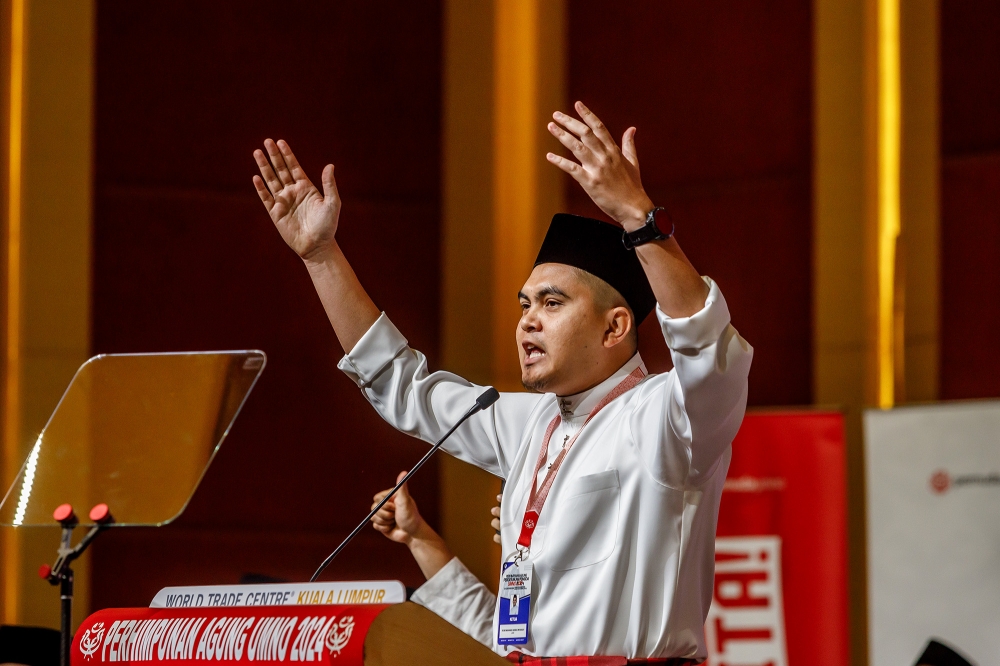
Umno Youth chief Datuk Dr Akmal Saleh has levelled a pointed challenge at Pakatan Harapan's youth wing, questioning the consistency of demands that Barisan Nasional withdraw from government over electoral alliance arrangements. Speaking in Kuala Lumpur on July 19, Akmal Saleh argued that if accountability over coalition partnerships is truly a matter of principle, such standards should apply equally across all political groupings regardless of their current positions of power.
The statement reflects growing tensions within Malaysia's coalition politics as various factions grapple with how electoral alliances should be governed and what consequences, if any, should follow when component parties forge controversial partnerships. Umno Youth's intervention introduces a significant counterpoint to ongoing discussions about political ethics and the proper role of youth wings in holding their parent organisations accountable for strategic decisions.
The challenge articulates a common frustration within Barisan Nasional circles about what they perceive as selective application of political standards. From the perspective of Umno Youth, the focus on BN's electoral arrangements while similar decisions by Pakatan partners receive less scrutiny suggests that principles are being weaponised for tactical advantage rather than applied consistently as matters of genuine governance concern. This asymmetry, Akmal Saleh implies, undermines the credibility of calls for political accountability.
For Malaysian observers, the dispute touches on fundamental questions about coalition governance in a multiparty democracy. Electoral alliances serve practical purposes—spreading candidates across constituencies, pooling resources, and coordinating messaging—but they also create moral hazard when component parties make decisions that benefit some members while marginalising others. The question of who should bear responsibility for controversial alliance choices remains unresolved in Malaysian political convention.
Pakatan Harapan has faced its own complexities in managing coalition partnerships, particularly regarding the roles and interests of Bersatu, DAP, PKR, and Amanah within both national and state configurations. The coalition has navigated disputes over seat allocations, power-sharing arrangements, and strategic direction that sometimes pit member parties against one another. Youth wings across all coalitions have occasionally criticised these arrangements, though the intensity and visibility of such criticism varies significantly.
Umno Youth's intervention also reflects broader party concerns about legitimacy and representation. Within Barisan Nasional, youth wings historically serve as forums for raising concerns about leadership decisions while ultimately maintaining party discipline. Akmal Saleh's statement suggests that Umno Youth expects equivalent internal accountability mechanisms to operate across the political spectrum, not just within their own organisation.
The substance of the dispute carries implications for how Malaysian coalitions will operate in future election cycles. If accountability measures remain selective, they risk becoming tools of political competition rather than genuine expressions of shared values. Conversely, if standards are applied uniformly, all coalition partners would face the same scrutiny over their electoral strategies and partnership decisions, potentially making coalition formation more difficult across the board.
From a Southeast Asian perspective, Malaysia's coalition dynamics offer lessons about managing multiparty systems where power-sharing arrangements are necessary but contentious. Thailand, Indonesia, and the Philippines all grapple with similar questions about how coalition partners should behave and what consequences should follow from disputed alliances. The Malaysian case demonstrates that youth wings can serve as early warning systems for broader coalition tensions if their concerns are taken seriously.
The challenge also reveals underlying questions about whether Malaysian political parties genuinely believe in internal democracy and accountability or whether such demands are merely convenient weapons in factional disputes. If Umno Youth is correct that similar standards should apply to all coalitions, then Pakatan Harapan youth wings would face equivalent pressure to scrutinise their own parent organisations' alliance decisions. This would represent a genuine norm shift in Malaysian politics.
Moving forward, how political parties respond to Akmal Saleh's challenge will signal whether Malaysia is moving toward consistent, principle-based standards for coalition governance or whether politics will continue to operate on a largely situational basis. The question is not merely about fairness, though that matters, but about building institutional norms that can survive changes in which coalition holds power.
The dispute also underscores how youth wings, often dismissed as junior partners in Malaysian politics, can articulate critiques that force their parent parties to clarify their positions on fundamental questions. Whether this exchange produces genuine reform or merely serves as temporary political theatre remains to be seen, but it has succeeded in putting coalition accountability on the public agenda in a more focused way than many previous discussions have managed.

