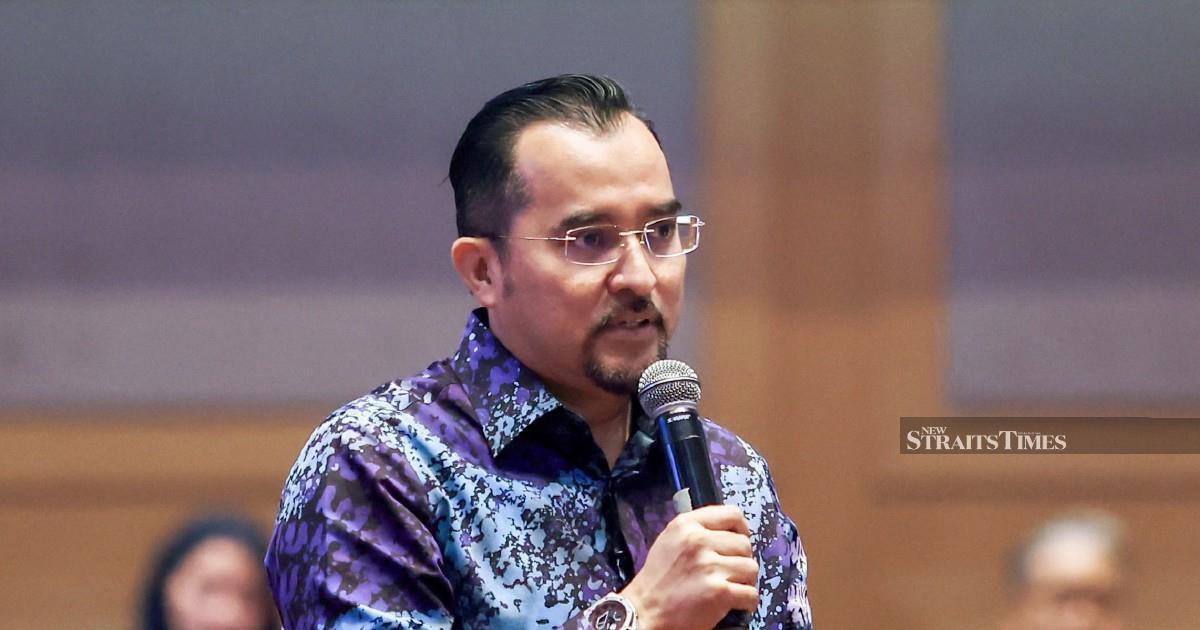
Umno secretary-general Datuk Dr Asyraf Wajdi Dusuki has firmly dismissed allegations suggesting the ruling party is engaged in a deliberate cover-up to shield those responsible for the multibillion-ringgit scandal engulfing Lembaga Tabung Haji. The denial comes amid mounting public scrutiny of how the Islamic pilgrimage fund lost more than RM1.4 billion through ill-advised investments and questionable financial transactions, a crisis that has severely tarnished Malaysia's reputation in managing Muslim charitable institutions.
The accusations of a strategic "charade" reflect deeper concerns among civil society groups and opposition lawmakers that powerful figures connected to the fund may escape accountability through political intervention. This perception has gained traction particularly after several high-profile arrests and ongoing investigations failed to result in prosecutions of individuals at the apex of the decision-making hierarchy. For Malaysian voters already sceptical of institutional integrity, the allegation of political interference in financial crime investigations strikes at the very foundation of the rule of law.
The Tabung Haji debacle represents one of Malaysia's most significant financial governance failures in recent years. The fund, which manages billions in savings and investments for Malaysian Muslims preparing for the Hajj pilgrimage, entered a precarious financial position through aggressive and poorly-managed investment strategies. Billions were channelled into controversial ventures, including the acquisition of properties and stakes in struggling companies, decisions that critics argue violated fundamental principles of fiduciary responsibility and prudent asset management.
Umno's leadership has faced persistent questions about its role in allowing the fund to deteriorate to such a degree. Multiple board members and senior executives with party connections held significant positions during the period when major investments were approved and losses accumulated. This nexus between political affiliation and institutional stewardship has fuelled speculation that any internal party pressure might discourage aggressive prosecution of implicated figures, particularly if they remain politically valuable to the organisation.
For Malaysian Muslims who trusted Tabung Haji with their pilgrimage savings, the scandal represented a profound betrayal of institutional trust. Many individuals saw their contributions eroded through management failures they never authorised. The emotional and financial toll extends beyond individual investors to encompass the broader Muslim community's confidence in religiously-aligned financial institutions. Umno's denial must therefore be understood not merely as a political statement but as an attempt to preserve institutional legitimacy at a moment when public faith has been severely shaken.
The secretary-general's rebuttal also carries implications for the broader Malaysian political landscape. As the country navigates complex questions about accountability and institutional reform, the manner in which authorities handle high-profile financial crime cases sends powerful signals about the government's commitment to transparency and equal application of the law. If any perception persists that political considerations influence prosecutorial decisions, it undermines confidence in Malaysia's entire justice apparatus and investment climate.
Southeast Asian observers have noted that the Tabung Haji crisis occurs at a moment when the region is grappling with transparency challenges across government-linked enterprises. Malaysia's handling of this case, including the clarity and comprehensiveness of any criminal proceedings, will influence regional perceptions of institutional governance and may set precedents for how other nations approach similar scandals within state-backed organisations managing public assets.
The investigation into Tabung Haji has led to multiple arrest warrants and ongoing probes into transactions spanning years. Authorities are examining complex webs of approvals, investments, and associated transactions to establish culpability and trace the flow of diverted funds. These inquiries have necessarily involved examining documentation and decision-making processes that reach across various levels of management and governance structures, creating the investigative complexity that often accompanies large-scale institutional failures.
Umno's response requires particular credibility given the party's long governance tenure and the historical dominance of its members across Malaysia's institutional landscape. The party's denial carries weight only insofar as it can be substantiated through transparent investigative processes and demonstrated in outcomes that reflect impartial application of the law. For Malaysians assessing claims of cover-ups, actions will ultimately prove far more persuasive than statements.
The Tabung Haji scandal continues reverberating through Malaysian society as victims seek recompense and families struggle with diminished pilgrimage funds. Public pressure for accountability remains intense, with community groups and civil society organisations demanding transparent disclosure of investigative findings. This sustained attention helps constrain the political space within which any protective measures might operate, though it simultaneously heightens pressure on authorities to demonstrate visible progress toward meaningful prosecutions.
Moving forward, the government faces the dual imperative of conducting rigorous, impartial investigations while rebuilding institutional frameworks that prevent similar catastrophes. Umno's role in this process transcends the secretary-general's denial; it extends to the broader political will required to enforce accountability regardless of factional or personal considerations. For the millions of Malaysians whose retirement and pilgrimage savings have been damaged, nothing less than comprehensive reform and credible prosecutions will suffice to restore institutional trust.

