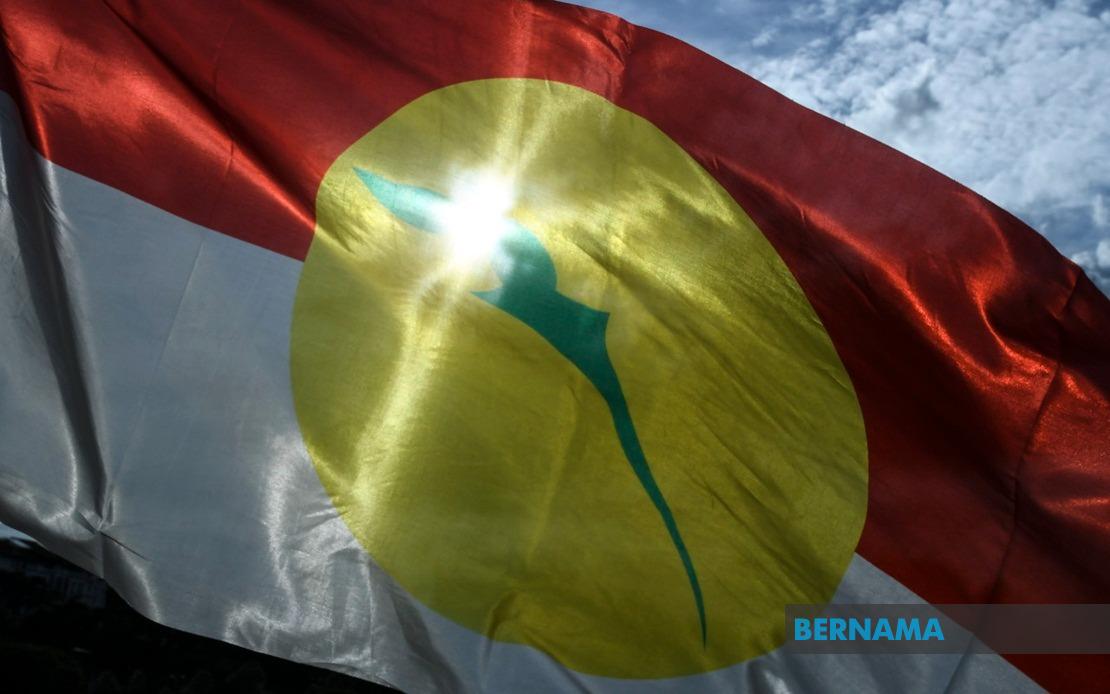
Tensions within UMNO's ranks over candidate selection for the upcoming Johor state election have prompted party leadership to issue a firm call for unity and discipline. Datuk Seri Azalina Othman Said, the party's information chief, has appealed to members to subordinate personal frustration to the broader interests of the party and the public, setting expectations for how internal disagreements should be managed during the crucial campaign period.
The remarks came after the candidate nomination process for the 16th Johor state election generated controversy within party structures, with some members expressing public disappointment at being overlooked. Rather than attempt to obscure these tensions, Azalina adopted a direct approach, acknowledging that differing viewpoints, complaints, and frustration are natural within a large political organisation. However, she drew a clear distinction between the freedom to voice concerns during the decision-making phase and the obligation to fall in line once leadership has made its selection through established party mechanisms.
Azalina's statement reflects a broader challenge facing UMNO as it prepares for the July 11 polling day. The party faces the delicate task of balancing internal democratic processes that allow for debate and contestation with the hierarchical discipline required to present a unified front to voters. In her commentary, she emphasised that external observers—particularly the electorate—judge parties not merely on their campaign promises but on their ability to maintain composure and cohesion when facing internal pressure. This observation carries particular weight in Malaysian politics, where voter perception of party stability and leadership credibility influences electoral outcomes.
Among those expressing dissatisfaction with the selection process was Datuk Dr Mohd Puad Zarkashi, a member of UMNO's Supreme Council, who announced his immediate resignation from the party. His departure signals the depth of frustration among some party figures who felt marginalised by the candidate choices. According to Datuk Dr Asyraf Wajdi Dusuki, the party secretary-general, Mohd Puad's decision to leave stemmed from disappointment after his son failed to secure nomination as a candidate for the Rengit state seat. The case underscores how candidate selection processes, while essential for determining party direction, can create family and personal grievances that threaten party cohesion.
In defending the selection process, UMNO praised Johor's state liaison committee leadership, particularly chairman Datuk Onn Hafiz Ghazi and his team, for managing what party officials acknowledged was a challenging and controversial exercise. The decision to publicly commend those responsible for the selections suggests UMNO's intention to shield the process from further criticism and to establish legitimacy for the choices made. By characterising the process as handled with composure, discipline, and political courage, party leadership sought to frame difficult decisions as necessary acts of principled leadership rather than instances of arbitrary or factional decision-making.
Azalina also addressed a concern likely occupying the minds of disappointed members: whether being passed over for candidacy represents a dead end within the party. She reassured members that UMNO maintains a robust pipeline of emerging leaders and grassroots figures waiting for opportunities to contest. This message serves multiple purposes—it suggests that the party operates a functioning system for developing new talent, implies that current selections are not final judgments on individual capability, and encourages disappointed members to remain within the party structure rather than seeking alternatives or resigning in protest.
The timing of these developments carries significance for Johor politics specifically and Malaysian politics more broadly. The 16th Johor state election represents a critical test for UMNO's organisational health and electoral viability in a state where it has traditionally maintained substantial influence. Any perception of internal discord or member disaffection could translate into reduced campaign energy, lower volunteer mobilisation, and diminished voter confidence. For this reason, the party's urgent calls for discipline and unity are not merely about internal morale—they are strategic necessities for electoral success.
The Election Commission has scheduled nominations for June 27, leaving a two-week window for candidates to campaign before polls open on July 11. This compressed timeline means UMNO must resolve internal tensions quickly and present a cohesive campaign narrative. Members who harbour grievances about candidate selection must either channel their dissatisfaction constructively—by supporting their party's chosen nominees—or risk becoming liabilities during the crucial final weeks before voting.
For Malaysian observers tracking internal party dynamics, this episode illustrates how democratic processes within political organisations inevitably create winners and losers, potentially breeding resentment. However, mature political parties develop institutional mechanisms to process these tensions without allowing them to metastasise into organisational crises. UMNO's response—mixing acknowledgment of grievance with firm insistence on discipline—represents an attempt to navigate this difficult terrain, though its ultimate success will depend on whether disaffected members ultimately accept the outcomes and contribute to the campaign effort.

