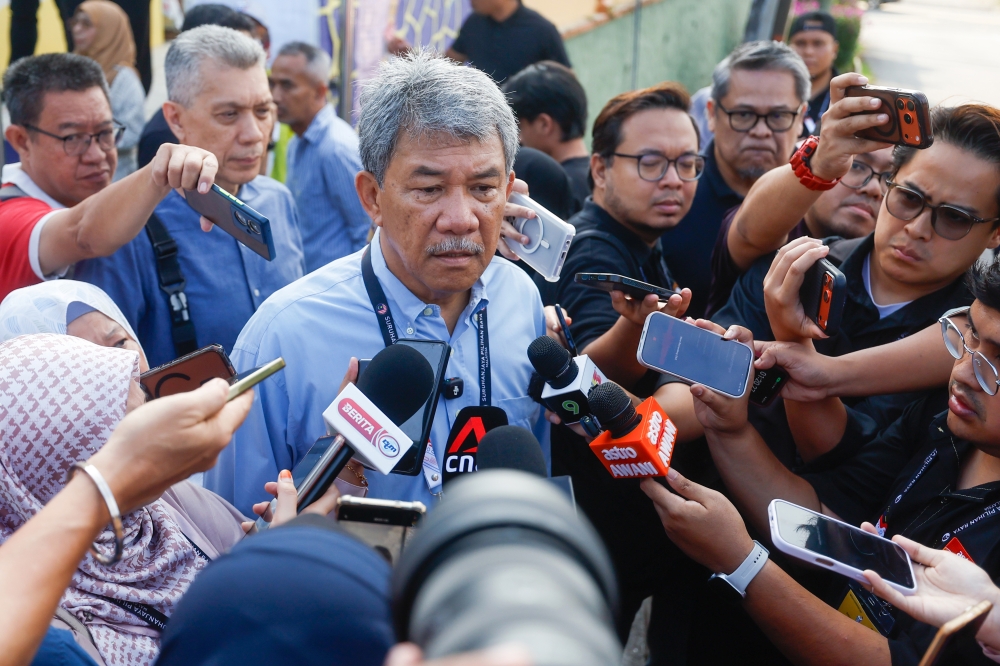
Umno's Barisan Nasional coalition has achieved a notable distinction in the Negeri Sembilan state election by fielding both the youngest and oldest winning candidates, a demographic spread that party strategists may view as evidence of broad electoral appeal across age groups. The thirty-five-year-old Siti Nur Umaira Hasim emerged victorious as the BN's youngest successful candidate in the contest, while her party simultaneously secured victory through a senior representative at the opposite end of the generational divide. This dual achievement reflects a deliberate effort by the coalition to position itself as a force capable of bridging traditional and contemporary political constituencies.
The victory of Siti Nur Umaira Hasim carries particular significance for Umno, as the party has increasingly sought to strengthen its appeal among younger Malaysian voters who have historically shown greater skepticism towards the traditional establishment. Her election success at thirty-five suggests that the party's efforts to identify and cultivate candidates from the millennial generation are beginning to yield electoral dividends in state-level contests. This demographic strategy becomes increasingly critical as Malaysia's electorate continues to age, with younger voters representing an expanding share of registered electors in most constituencies across the peninsula.
The presence of a senior Umno candidate achieving concurrent victory underscores an equally important truth about Malaysian electoral politics: the party's traditional base of older voters remains steadfast and influential in determining outcomes at the state assembly level. Negeri Sembilan, a state with a mixed urban-rural composition, appears to have rewarded Umno's ability to articulate messages resonating across this demographic spectrum. The older candidate's victory suggests that Umno retains considerable organisational strength and grassroots support among the senior electorate, a constituency that has historically provided the party with reliable backing.
The significance of this generational duality extends beyond mere statistical curiosity. It reflects broader patterns in Malaysian politics where Barisan Nasional's traditional coalition partners and their successor entities have struggled to rebuild credibility and voter confidence following electoral setbacks in recent years. By successfully fielding candidates from such disparate age cohorts and winning with both, Umno sends a signal that the party remains capable of fighting effectively across multiple demographic battlegrounds simultaneously. This tactical flexibility provides advantages in states where the political landscape remains fragmented or where opposition coalitions struggle to build similarly broad bases of support.
Negeri Sembilan's electoral dynamics deserve closer examination for what they reveal about state-level politics in Malaysia. The state, which encompasses both developed urban areas and traditional agricultural regions, typically reflects broader national political trends with some time lag. The success of candidates spanning such an age range suggests that local issues and candidate quality may have transcended the ideological polarisation that has defined recent national electoral contests. Voters in Negeri Sembilan appear to have evaluated candidates on grounds that permitted victories for individuals whose primary distinction was their generational positioning, indicating pragmatic rather than purely partisan voting patterns.
For the broader Barisan Nasional coalition, victories in Negeri Sembilan hold particular significance given the complex political arithmetic that has defined Malaysian state politics since 2018. The state represents contested ground where the coalition has fought to reassert relevance following years in which alternative coalitions and independent candidates gained ground. Umno's success in this particular contest provides the party with momentum and renewed confidence in its capacity to perform effectively in direct electoral competition. The generational breadth of candidates it has fielded and successfully elected offers a narrative advantage in communications with both established and emerging voter constituencies.
The implications for Southeast Asian regional politics merit consideration as well. Malaysia's political evolution continues to attract attention from observers across the region, particularly regarding how established parties navigate transitions in voter demographics and political preferences. Umno's apparent success in maintaining appeal among older voters whilst simultaneously cultivating support among younger cohorts presents a model that may offer lessons for other regional political movements attempting to navigate similar generational divides. The ability to do so through democratic electoral processes, rather than through authoritarian suppression of alternative viewpoints, distinguishes Malaysia's experience from that of some neighbouring states.
Looking forward, the question becomes whether Umno can sustain this generational bridging act as political contestation in Malaysia continues to evolve. The party faces genuine challenges in establishing deeper connections with voters under forty, who came of political age during periods of heightened transparency demands and greater scrutiny of institutional integrity. The victory of candidates like Siti Nur Umaira Hasim suggests that such connections are possible, but only if the party continues investing resources in identifying and promoting credible candidates capable of articulating messages that resonate with voters whose political socialisation differed markedly from that of their elders.
The Negeri Sembilan results also highlight the enduring importance of state-level politics in Malaysia's overall political trajectory. Whilst national political narratives often dominate headlines and commentary, elections at the state assembly level frequently determine the practical distribution of political power, access to resources, and capacity to govern. Umno's success in fielding and electing candidates across the demographic spectrum in Negeri Sembilan underscores the continued relevance of state politics as a proving ground for party strategies that may subsequently be deployed at the national level. The party's ability to perform effectively in sub-national contests remains crucial for maintaining the organisational strength and electoral confidence necessary to compete at higher political levels.

