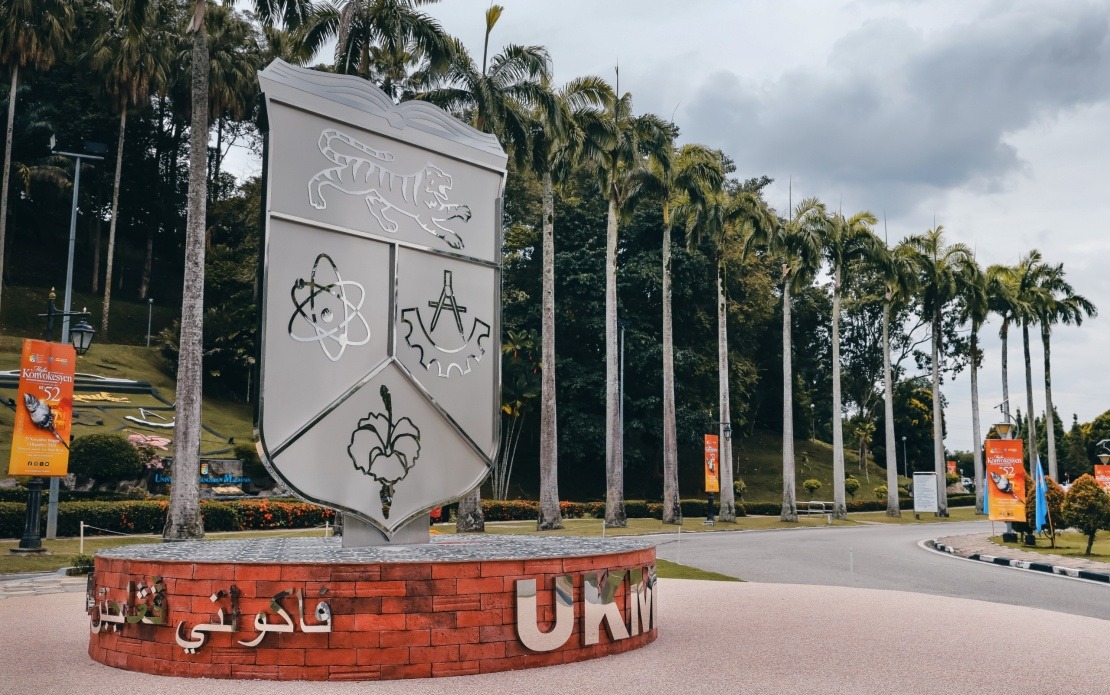
Universiti Kebangsaan Malaysia has moved swiftly to counter a widely-circulated social media video making inflammatory claims about the composition of its student body, particularly regarding the proportion of international enrolments relative to Malaysian undergraduates. The university's response comes as misinformation about higher education institutions continues to gain traction online, raising concerns about how unverified allegations can shape public perception of Malaysia's research universities.
The specific claim circulating online alleged a ratio of five international students for every local student at UKM, a proportion that would fundamentally alter the character of the institution and fundamentally contradict Malaysia's policy framework for higher education. Such a figure, if accurate, would represent an extraordinary reversal of the traditional student composition at Malaysian public universities, which have historically maintained strong majorities of domestic learners across their campuses.
In response, UKM released official enrolment data compiled from its Academic Management Centre and Centre for Continuing Education and Professional Studies to demonstrate the actual composition of its student population. The university reported a total enrolment of 46,151 students, with international undergraduates numbering only 3,917 individuals. This breakdown reveals that international undergraduates constitute approximately eight percent of the total student body, translating into an actual ratio of roughly one international student for every twelve enrolled students—a figure dramatically different from the 5:1 proportion claimed in the viral content.
The discrepancy between the alleged and actual ratios underscores a broader challenge facing Malaysian universities in the digital age, where inflammatory claims can circulate with minimal verification before official channels have an opportunity to respond. The eight percent figure for international undergraduate enrolment at UKM aligns reasonably with patterns across Southeast Asian universities, which typically maintain international student populations within the five to fifteen percent range depending on institutional focus and geographic positioning.
UKM's statement emphasised that the university maintains serious concerns about the reputational damage caused by false or misleading information disseminated through social media platforms. The institution indicated a willingness to pursue legal remedies against individuals or entities responsible for spreading defamatory content, signalling a hardening stance by Malaysian universities against what they view as coordinated misinformation campaigns. This approach reflects growing frustration among academic institutions with their limited ability to control narratives in an increasingly decentralised information ecosystem.
The university reaffirmed its foundational commitment to serving Malaysian students and advancing educational opportunities for citizens, positioning international recruitment not as an alternative to domestic enrolment but as a complementary strategy. UKM's leadership stressed that the admission of international students does not reduce opportunities available to Malaysian applicants, a crucial distinction often obscured in polarised public discourse around higher education access.
According to the university's statement, the recruitment of international students occurs within carefully managed parameters aligned with policy objectives established by the Ministry of Higher Education. Malaysia's strategic vision of internationalising its higher education sector depends partly on attracting qualified international learners who contribute to campus diversity, enhance research collaboration, and generate revenue streams that support institutional operations. This positioning places international recruitment firmly within governmental priorities rather than as an unauthorised institutional initiative.
UKM has appealed to the Malaysian public to rely exclusively on information distributed through official university channels rather than engaging with unverified content circulating on social media platforms. This call represents a broader frustration with public discourse in which rumour and speculation often compete effectively with factual information from authoritative sources. The challenge reflects not merely UKM's particular circumstances but a systemic problem affecting Malaysian public institutions seeking to communicate accurate information to increasingly fragmented audiences.
The incident illustrates the vulnerability of higher education institutions to reputational attacks launched through viral social media content, particularly when such claims tap into underlying anxieties about access, opportunity, and national identity. Public universities in Malaysia operate within a context where questions about student composition carry significant political and social weight, making them particularly susceptible to weaponised misinformation. The fact that UKM felt compelled to release detailed enrolment data and threaten legal action suggests the seriousness with which institutional leadership viewed the potential impact of the viral claim.
For Malaysian readers and particularly families navigating the higher education landscape, this dispute carries practical implications regarding institutional transparency and the reliability of information obtained through social media. The incident underscores the importance of verifying claims about universities through official sources before making enrolment decisions or forming opinions that might influence policy discussions. UKM's swift factual response demonstrates one approach to managing misinformation, though questions persist about whether such reactive strategies can effectively counter the speed and reach of viral content.

