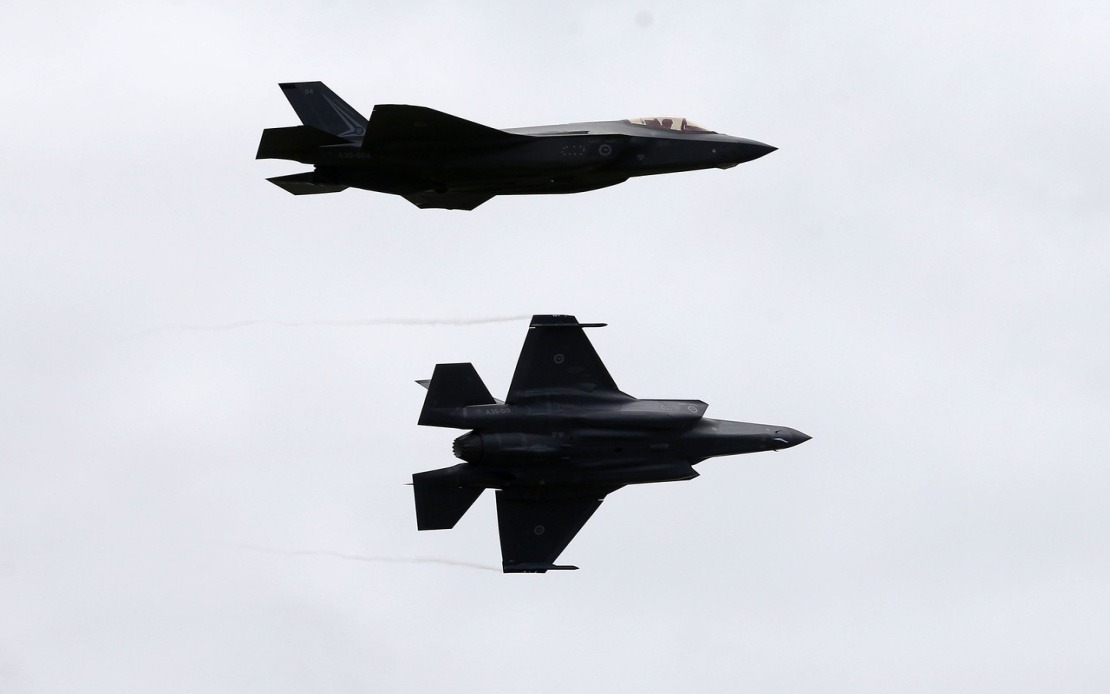
Three major Western democracies have reached a landmark agreement to pool resources in developing a cutting-edge combat aircraft, signalling deepening defence collaboration in an era of heightened geopolitical tension. The United Kingdom, Italy and Japan sealed a £4.6 billion (US$6.1 billion) contract to accelerate development of a sixth-generation fighter jet through the Global Combat Air Programme (GCAP), with operational deployment targeted for 2035. The trilateral initiative underscores a strategic shift toward deeper technological partnerships among allied nations seeking to maintain military superiority amid regional security challenges.
The contract represents a critical inflection point in the GCAP's trajectory, moving the ambitious project from conceptual planning into the intensive design and validation phase. The funding will enable the consortium to establish precise technical specifications for the aircraft, refine its operational parameters and execute comprehensive testing regimes before full-scale manufacturing commences. This phase is essential for de-risking the programme and ensuring the final platform meets the exacting standards demanded by three distinct air forces with varying operational requirements and threat assessments.
Designation of Edgewing—a purpose-built joint venture established in 2025—as the lead contractor reflects confidence in the consortium's ability to synthesise expertise from three nations' defence-industrial bases. BAE Systems of Britain brings decades of fighter development experience, including work on the Typhoon and collaboration on the F-35 programme. Leonardo, Italy's defence giant, contributes advanced avionics and sensor integration capabilities honed through European defence projects. Japan Aircraft Industrial Enhancement Co. Ltd. (JAIEC) represents Japan's commitment to co-development rather than licence-production, signalling Tokyo's ambition to become a tier-one defence technology player rather than remaining dependent on foreign suppliers.
The anticipated fighter will operate within an integrated ecosystem rather than in isolation. British defence planners envision the GCAP platform working in concert with existing Typhoon and F-35 fleets alongside autonomous systems, creating a networked force multiplier effect. This layered approach acknowledges that modern air superiority depends not merely on individual aircraft capabilities but on seamless information-sharing, coordinated tasking and human-machine teaming. The incorporation of artificial intelligence and advanced digital engineering represents a generational leap from current systems, potentially enabling faster decision-making loops and autonomous mission execution within pre-authorised parameters.
For Malaysia and the broader Southeast Asian region, this development carries several implications worth examining. The emergence of non-American fighter alternatives—particularly those involving Japanese participation—demonstrates that allied air forces increasingly seek technological diversity and reduced dependence on single-source suppliers. As regional nations evaluate their own fighter procurement strategies over the coming decade, the GCAP's progress will offer a credible non-American option for coalition-minded countries, potentially reshaping the competitive landscape for air superiority systems in the Indo-Pacific.
The partnership's significance extends beyond hardware to encompass industrial policy and technological sovereignty. Japan's elevation to co-developer status signals that advanced democracies increasingly view defence innovation as a collaborative multilateral undertaking rather than an exclusively national enterprise. This contrasts sharply with Cold War-era models where technology transfer remained tightly controlled. The arrangement suggests that allied nations believe innovation happens faster and risk is distributed more effectively through genuine partnership, a lesson particularly relevant for smaller defence industries seeking to punch above their weight.
The 2035 service entry timeline, while distant, reflects the genuine technical complexity of developing a sixth-generation platform. Contemporary fighter development programmes routinely span 15-20 years from concept to operational deployment. The three nations' willingness to commit billions without guaranteed return reflects both geopolitical calculation—the desire to maintain technological edge against potential adversaries—and industrial strategy—the determination to preserve sovereign design and manufacturing capabilities rather than becoming perpetual customers of external suppliers.
Financial commitment from three separate defence budgets adds rigour to programme governance. Each nation's parliament or legislature must justify continued investment, creating accountability mechanisms that might constrain cost overruns or schedule slippage more effectively than centralised programmes. Conversely, burden-sharing arrangements can sometimes obscure responsibility when problems emerge. The GCAP leadership structure will prove critical in determining whether three-nation governance accelerates innovation or creates institutional friction.
The programme's ambition extends beyond mere aircraft development into industrial base modernisation. BAE Systems, Leonardo and JAIEC will invest heavily in manufacturing techniques, supply chain optimisation and workforce development. These investments generate broader economic benefits across the three economies, supporting skilled employment in engineering and advanced manufacturing sectors. The programme also incentivises supplier-base development, potentially creating export opportunities for component manufacturers in allied nations.
Regional observers should note Japan's deepening engagement in advanced defence technology development. The JAIEC partnership represents Tokyo's strategic response to shifting security dynamics in East Asia, particularly concerns about Chinese military modernisation. By co-developing sixth-generation fighter technology alongside Western allies, Japan positions itself as a technological equal rather than a dependent partner. This approach enhances Japan's diplomatic leverage while ensuring its Self-Defence Forces receive cutting-edge capabilities optimised for regional threat environments.
The contract announcement, while celebratory in tone, masks substantial engineering challenges ahead. Integrating design philosophies from three defence establishments, reconciling different operational doctrines and managing schedule pressures across multiple political systems will test project leadership severely. History demonstrates that international defence collaborations frequently encounter cost overruns, scheduling delays and compromises that reduce individual partners' satisfaction. Whether GCAP avoids these pitfalls will significantly influence future multinational defence partnerships.
Looking forward, the next several years will prove decisive for GCAP's credibility. Successful completion of design phases, demonstration of key technologies and maintenance of political commitment across three governments will validate the partnership model. Should the programme stumble, it could reinforce scepticism about collaborative defence ventures and push nations toward unilateral development approaches. Conversely, success could inspire similar multilateral initiatives, particularly among mid-sized powers seeking to develop advanced technologies without bearing unsustainable costs.

