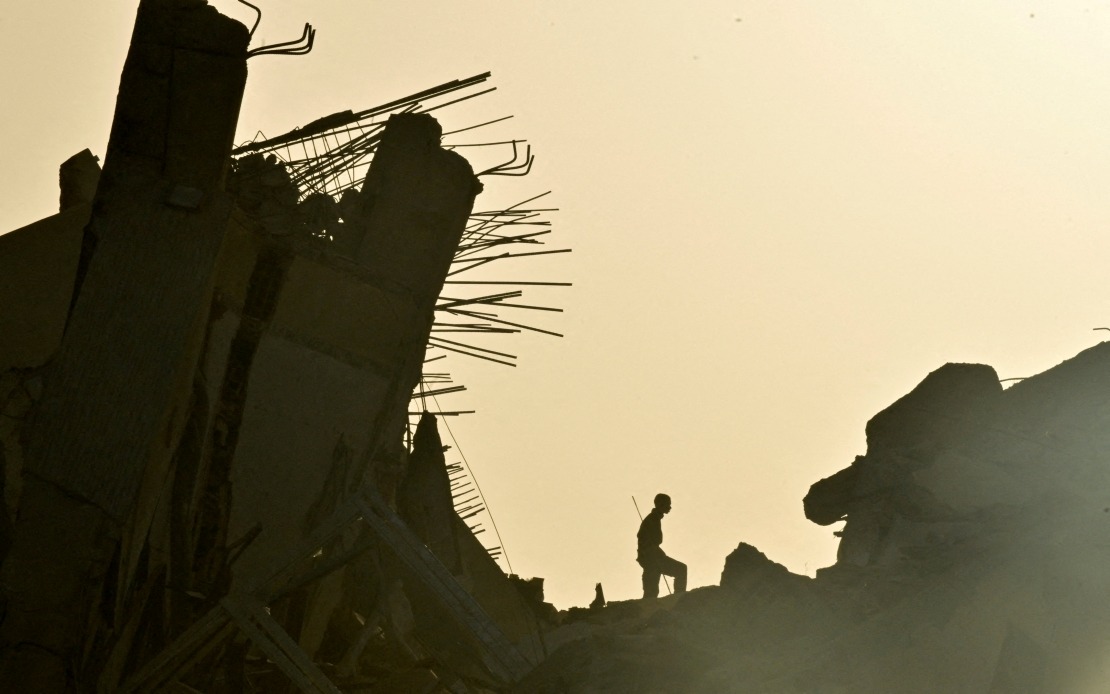
The British charitable sector has mobilised rapidly in response to the Venezuelan earthquake disaster, with coordinated fundraising efforts surpassing £10 million (US$13.4 million) in just days after a dedicated appeal was launched. The Disasters Emergency Committee, an umbrella organisation representing leading UK-based humanitarian charities, announced the fundraising initiative on Wednesday and has already seen donations flood in from across Britain and the Commonwealth. This swift response demonstrates the traditional strength of British public engagement with international humanitarian crises, a pattern that has characterised UK charitable giving for decades.
The scale of fundraising achieved within such a compressed timeframe reflects both the severity of the earthquake crisis and the effectiveness of coordinated appeal structures. The DEC operates as a coalition of established relief organisations that pool resources and coordinate on-ground response efforts during major disasters. By functioning as a single charitable conduit, the DEC enables donors to contribute with confidence that their funds will reach affected populations efficiently and with minimal administrative overhead. This model has proven particularly valuable in Southeast Asia and the Indo-Pacific region, where similar disasters have historically prompted comparable international responses.
Actress Adjoa Andoh, serving as ambassador for the International Rescue Committee, fronted the public campaign urging British citizens to contribute. Her prominence in the fundraising appeal reflects a broader strategy among international charities to leverage celebrity advocacy and emotional connection to humanitarian causes. Andoh's statement emphasising the "astonishing generosity" of British donors serves both to celebrate public engagement and to motivate further contributions by creating a sense of collective momentum. This technique of highlighting aggregate giving as a source of inspiration and proof of public concern has become standard practice across modern British fundraising campaigns.
The International Rescue Committee, among the charities participating in the appeal, represents one of the world's largest independent humanitarian organisations operating across multiple continents. The IRC and partner organisations working through the DEC framework have deployed staff and resources to Venezuelan communities most severely affected by the seismic events. These organisations are coordinating distribution of emergency shelter materials, clean water supplies, food rations, and medical care to displaced and injured populations. The operational complexity of delivering such assistance in Venezuela's current context—characterised by political instability and infrastructure challenges—requires experienced organisations with established local partnerships and logistics networks.
For Malaysian and Southeast Asian observers, the British charitable response offers instructive parallels to regional disaster relief mechanisms. The Association of Southeast Asian Nations has similarly developed coordinated humanitarian frameworks for intra-regional crises, though funding levels and private-sector participation rates frequently lag behind European models. The British example demonstrates how mature institutional structures, public trust in charitable intermediaries, and cultural expectations around civic responsibility can generate substantial rapid funding responses. As Southeast Asia faces increasing seismic, volcanic, and weather-related disaster risks, the efficiency and speed of the UK's DEC model warrants consideration by regional policymakers seeking to strengthen disaster response capabilities.
The £10 million raised through the British appeal represents significant capital for humanitarian response but also underscores the genuine resource constraints facing international relief organisations. While substantial, this funding must stretch across multiple humanitarian needs in Venezuela—reconstruction of damaged infrastructure, restoration of healthcare capacity, nutritional support for vulnerable populations, and psychological support for traumatised survivors. The money will be deployed through established DEC member organisations, each of which brings sectoral expertise. Medical charities will focus on healthcare delivery, water and sanitation specialists will address public health threats, and shelter-focused organisations will coordinate accommodation and housing recovery.
Public fundraising appeals such as the DEC's Venezuela initiative depend entirely upon voluntary donations and media coverage to generate awareness and encourage giving. The success of this particular appeal reflects both the emotional immediacy of earthquake disasters—which generate vivid imagery and human interest narratives—and the established reputation of participating charities. However, other humanitarian emergencies receiving less media attention frequently struggle to attract comparable funding despite equal or greater human suffering. This disparity in charitable attention based on crisis visibility rather than need intensity remains a persistent challenge within the international humanitarian sector.
The logistics of channelling humanitarian assistance into Venezuela present particular challenges given the country's political circumstances and deteriorating infrastructure. Relief organisations must navigate complex diplomatic and security considerations while establishing supply chains through functioning border crossings and ports. The participatory structure of the DEC, bringing together multiple charities with different geographic reach and sectoral specialisations, facilitates burden-sharing and reduces duplicative efforts. This collaborative approach maximises the humanitarian impact of each donated pound, as organisations coordinate rather than compete for access to affected populations.
Looking forward, the sustained engagement of British donors with Venezuelan earthquake relief will likely depend upon continued media coverage and periodic updates from participating charities about tangible outcomes achieved through donated funds. The DEC typically maintains appeals open for extended periods following major disasters, allowing donations to continue as reconstruction and recovery phases extend beyond initial emergency response. Malaysian charitable organisations and the Malaysian government's international development agencies might similarly consider how sustained attention and periodic progress reporting can maintain public and institutional commitment to longer-term recovery processes in earthquake-affected regions, particularly across the Indo-Pacific where seismic activity poses recurring risks to neighbouring populations.

