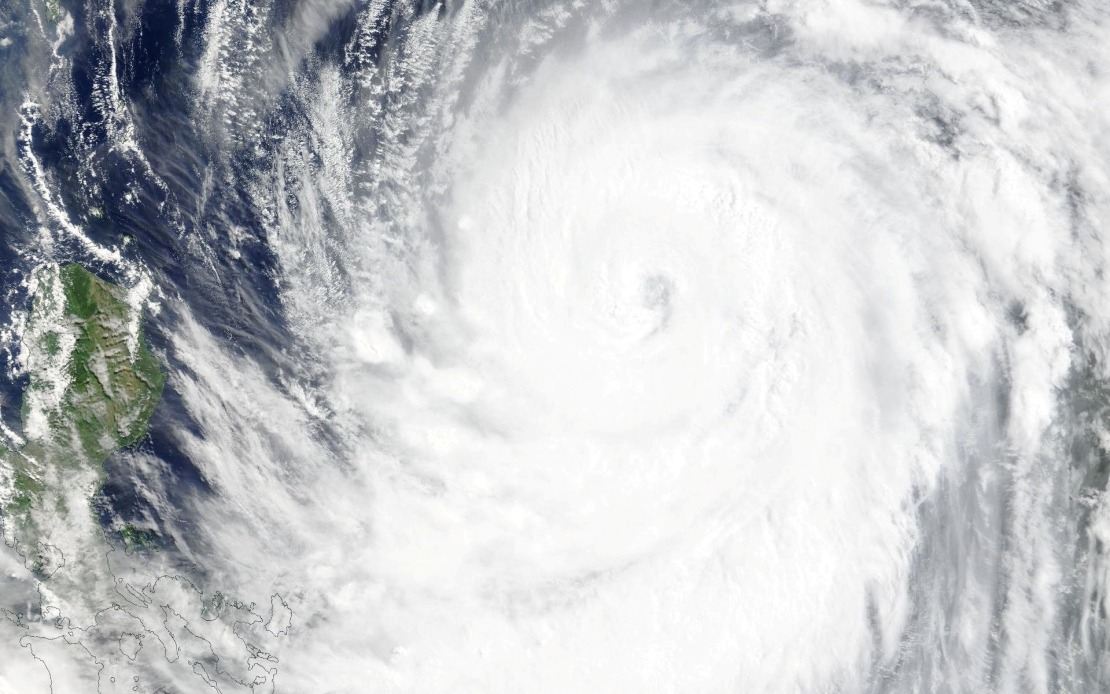
Taiwan's meteorological authorities escalated their storm preparations on Thursday afternoon as Typhoon Bavi, the ninth typhoon to develop this year, continued gathering strength while tracking toward the island. The agency released a formal sea warning at 2.30 pm, marking the opening phase of the island's response to what forecasters expect could be a significant weather event. Officials indicated that a comprehensive land warning would likely follow early on Friday as the system draws closer to Taiwan's coast.
The initial sea warning encompasses extensive maritime areas surrounding Taiwan, specifically targeting the waters off the island's northeastern and southeastern coastlines. The zone includes Orchid Island and Green Island, both of which lie in exposed positions subject to heavy seas and strong winds during tropical cyclones. Additionally, the Bashi Channel—a strategically important waterway separating Taiwan from the Philippines—has been included in the warning area, reflecting the broad scope of the meteorological threat.
At the time of the warning, Typhoon Bavi was positioned southeast of Eluanbi, Taiwan's southernmost geographical point, and was advancing in a northwesterly direction. The storm's location placed it on a trajectory that would bring it into closer contact with the main island within approximately 24 to 36 hours. Meteorologists tracked the system's movement with precision, monitoring its forward speed and any shifts in course that might alter the eventual impact zone.
The typhoon had achieved considerable intensity by the time the warning was issued. Maximum sustained winds near the storm's centre reached 51 metres per second, a velocity capable of causing structural damage and hampering outdoor activities. More alarming were the measured gusts, which climbed to 63 metres per second—powerful enough to overturn vehicles, snap trees, and pose serious dangers to anyone exposed to the elements. Such wind speeds place Bavi firmly in the category of dangerous tropical cyclones.
Forecasters outlined their expectations for Bavi's future track and intensity. The system was anticipated to continue moving northwest at speeds between 15 and 20 kilometres per hour, maintaining a relatively steady forward progression. Meteorological models suggested that the typhoon would ultimately pass to the north of Taiwan proper, though such a passage would still expose large portions of the island to significant weather impacts. Depending on the exact track and potential weakening as the system moved over cooler waters or interacted with the landmass, Bavi was forecast to affect Taiwan as either a lower-category strong typhoon or an upper-category moderate typhoon—either scenario posing substantial risks to the population.
The anticipated arrival of Typhoon Bavi prompted immediate disruptions to Taiwan's transport infrastructure even before the storm made direct contact. Airlines began cancelling services proactively, with most flights between Taiwan and Okinawa—a busy route for business and leisure travel—suspended in anticipation of conditions becoming too hazardous for safe operations. Several long-haul international services operating from Taiwan's major airports also faced cancellations as airlines adjusted schedules to avoid the approaching system.
Maritime transport networks experienced parallel disruptions as ferry operators suspended multiple routes connecting Taiwan to outlying islands and potentially to neighbouring regions. These ferry services are vital arteries for commerce and passenger movement in the region, and their suspension signals the severity with which authorities were treating the storm threat. The stoppage would strand some passengers and delay time-sensitive cargo, compounding the economic impact of the typhoon.
Terrestrial transport corridors also came under pressure as authorities implemented precautionary measures. Mountain roads across Taiwan were placed on heightened alert status due to the hazardous conditions expected to develop. Typhoons bring not only extreme winds but also torrential rainfall, which in mountainous terrain readily triggers landslides, mudslides, and flash flooding. Road authorities were preparing for potential closures, diversions, and emergency response operations in elevated regions where Bavi's passage would prove most destructive.
For Malaysian and Southeast Asian observers, Typhoon Bavi represented another reminder of the region's vulnerability to tropical cyclone systems that develop with increasing frequency and intensity during the summer months. While Taiwan bore the immediate threat, the broader tropical western Pacific remained active, and neighbouring nations including the Philippines, which lies along potential storm tracks, monitored Bavi's development with concern. The storm exemplified the climate-related challenges that continue to test emergency management systems and economic resilience throughout Southeast Asia.

