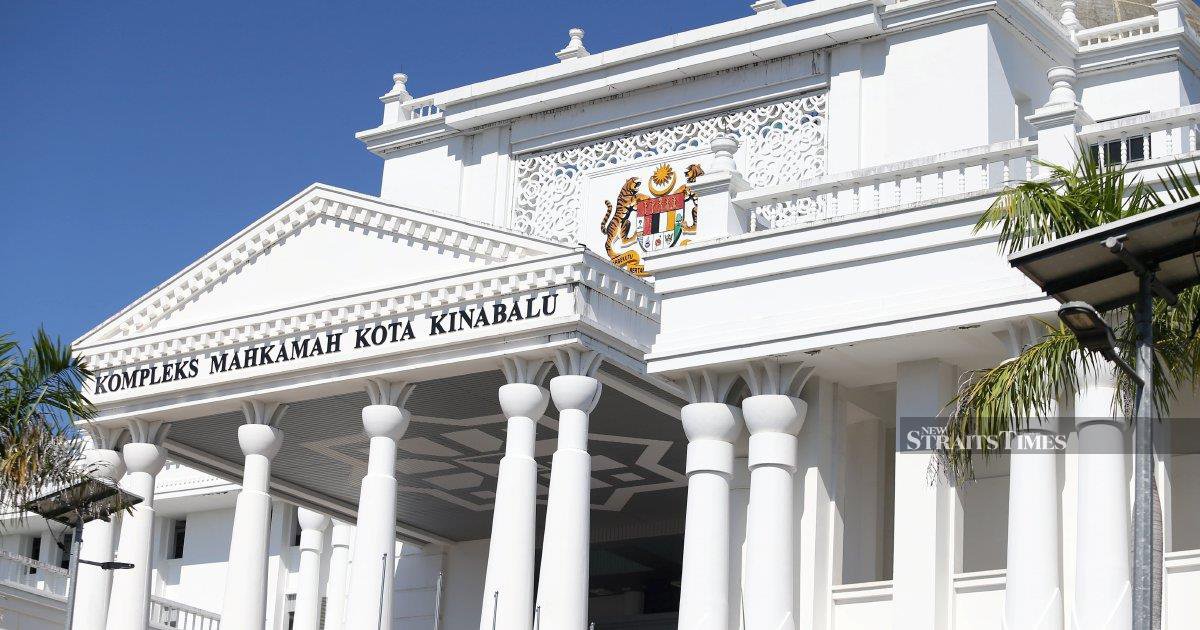
Two women have been charged in the Kota Kinabalu Sessions Court with engaging in a coordinated scheme to defraud vulnerable women through fraudulent traditional healing practices. The pair faced three separate criminal conspiracy charges, each alleging they worked together to deceive female victims and illegally obtain their money through false promises of healing remedies and spiritual treatments.
The case highlights a persistent problem across Malaysia and Southeast Asia, where practitioners exploit people seeking alternatives to conventional medicine or those desperate for solutions to health and personal problems. Traditional healing has deep cultural roots throughout the region, and while many practitioners operate legitimately, the lack of regulation creates space for unscrupulous individuals to prey on those most in need. The victims in this case appear to have been specifically selected based on their vulnerability or particular circumstances that made them susceptible to manipulation.
Fraud cases involving false healing claims typically follow a recognizable pattern. Scammers identify potential targets, often through personal networks or by advertising services online or through word-of-mouth. They establish themselves as having special knowledge or supernatural abilities, then gradually increase their demands for payment while keeping victims in a cycle of hope and desperation. As the victims invested more money, they continued believing the promised results would materialize, a psychological mechanism that scammers deliberately exploit.
The decision to pursue conspiracy charges rather than simpler fraud charges suggests that investigating authorities found evidence of careful planning and deliberate coordination between the two women. Conspiracy charges carry significant legal weight because they demonstrate premeditation and shared intent to commit wrongdoing. Prosecutors must establish that both defendants agreed to the scheme and took deliberate steps to implement it, which typically requires substantial documentary or testimonial evidence.
Sabah, like other Malaysian states, has witnessed increasing reports of traditional healing scams over recent years. The relatively smaller population density compared to peninsular Malaysia can paradoxically make residents more vulnerable, as they may have less exposure to awareness campaigns about such frauds and tighter community networks that scammers can exploit more effectively. The visibility of this case in Kota Kinabalu suggests local authorities are taking such crimes seriously and actively investigating complaints from affected individuals.
The targeting of female victims deserves specific attention, as women often face distinct vulnerability factors in fraud cases. Gender-based scams frequently exploit societal expectations, family pressures, health concerns related to fertility or aging, and women's understandable caution about sharing their problems with others. Scammers are skilled at identifying and leveraging these psychological vulnerabilities, making their victims feel heard and understood before leading them into financial exploitation.
Traditional healing itself is not inherently fraudulent, and many communities throughout Malaysia respect and value legitimate practitioners who maintain ethical standards and transparent practices. The distinction between genuine traditional healing and fraudulent schemes lies in clear communication about what treatments can and cannot accomplish, honest pricing, respect for client autonomy, and willingness to refer patients to medical professionals when appropriate. Legitimate practitioners generally do not promise miraculous cures or demand escalating payments for increasingly vague services.
The legal response to such cases serves multiple purposes beyond punishing the individual offenders. Successful prosecutions create public awareness that authorities will pursue such crimes, potentially deterring other potential scammers from operating in Malaysian jurisdictions. They also validate the experiences of victims who may otherwise feel embarrassed about being deceived, encouraging others to report similar incidents to police rather than suffering in silence. Additionally, high-profile cases prompt regulators and policymakers to examine whether existing laws and enforcement mechanisms adequately protect public health and financial interests.
For Malaysian consumers seeking traditional healing services, several protective measures are advisable. Seeking recommendations from trusted sources rather than responding to advertising is fundamental. Legitimate practitioners typically have established reputations within their communities and may have credentials from relevant professional bodies or associations. Avoiding practitioners who guarantee cures, demand large upfront payments, or discourage consultation with medical doctors are important warning signs. Keeping detailed records of all services provided and payments made provides important documentation if problems arise.
The court proceedings will likely reveal details about how the scheme operated, what specific promises were made to victims, and how much money was fraudulently obtained. These details will inform public understanding of current scam methodologies and help authorities and consumer protection agencies refine their warnings to the public. The outcome will also establish precedent for how Malaysian courts treat conspiracy cases involving fraud through false healing claims, potentially influencing how similar cases are prosecuted elsewhere in the country.
Beyond the immediate case, this situation underscores the importance of strengthening consumer protection frameworks specifically addressing alternative medicine and healing services. Unlike pharmaceuticals, which face rigorous regulatory oversight before marketing, traditional healing services often operate in a gray zone legally. Several Southeast Asian countries have begun developing clearer regulatory standards and registration systems for traditional medicine practitioners, aiming to protect consumers while respecting cultural practices. Malaysia may benefit from examining similar models to prevent future exploitation while supporting legitimate practitioners.

