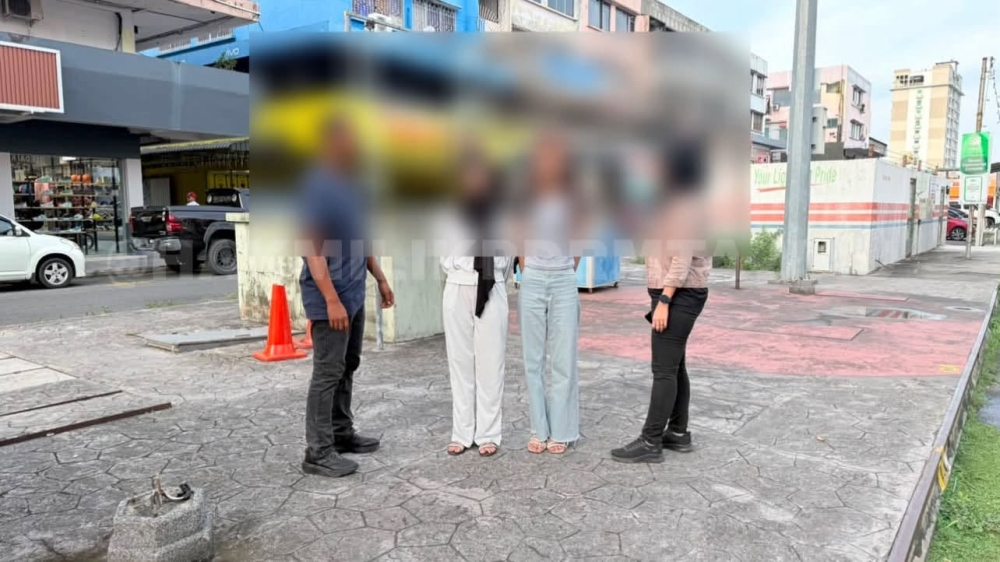
A dining establishment in Tawau's Bandar Fajar area became the scene of a disturbance when two women engaged in a physical altercation, resulting in both being taken into police custody for questioning. The incident, which unfolded on July 13, drew immediate attention from authorities who responded to reports of the conflict occurring within the restaurant premises.
The circumstances surrounding the disagreement remain under investigation as police work to establish the sequence of events that led to the confrontation. Initial reports suggest the matter escalated to physical contact, prompting staff or patrons to alert law enforcement. Such public disturbances, while not uncommon in any community, underscore the tensions that can emerge in shared social spaces where alcohol or heightened emotions may play a role.
In Sabah, where Tawau is situated, incidents of public disorder in commercial establishments occasionally result in formal charges. The swift apprehension of both individuals indicates that police officers responded promptly to the scene, securing information from witnesses and assessing the situation before determining who should be detained for further questioning. The decision to arrest both parties rather than issue warnings suggests the nature of the altercation was deemed sufficiently serious to warrant formal processing.
Tawau, as one of Sabah's significant commercial and industrial hubs, maintains active law enforcement presence to manage the diverse incidents that occur across its bustling entertainment and dining districts. The Bandar Fajar neighbourhood, which encompasses numerous restaurants and social establishments, sees regular patronage from both residents and transient workers, creating a dynamic social environment where conflicts occasionally arise.
Public order offences in Malaysia fall under various legislative frameworks, including the Penal Code, which addresses offences against persons and unlawful assembly. Depending on the severity of injuries sustained and the nature of the physical contact, charges could range from simple hurt under Section 336 to more serious assault provisions. The investigation phase will determine the precise nature of charges, if any, to be preferred against the detained individuals.
The arrest of both women, regardless of their respective roles in initiating or escalating the confrontation, reflects contemporary policing approaches that prioritise documentation and investigation over immediate field adjudication. This methodology allows investigating officers to gather comprehensive evidence, interview witnesses, and determine culpability with greater accuracy than would be possible at the immediate scene. Such procedures, while sometimes appearing to penalise both parties equally, ultimately serve the interests of justice by ensuring thorough examination of facts.
Restaurant and hospitality sector operators across Sabah remain keenly aware of their legal obligations regarding patron conduct and premises security. Establishment proprietors bear responsibility for maintaining orderly environments and may face regulatory consequences if venues become known as sites of frequent disturbances. This incident serves as a reminder of the importance of staff training in conflict de-escalation and the early notification of authorities when situations threaten to deteriorate.
For the broader Tawau community, such incidents prompt reflection on the social pressures and personal circumstances that precipitate public conflicts. Whether rooted in workplace frustrations, relationship tensions, or substance-related issues, the underlying causes of such altercations often extend beyond the immediate incident itself. Community leaders, social workers, and counselling services play important roles in addressing root causes rather than merely responding to their manifestations.
The case also highlights the significance of witness accounts in determining the factual sequence of events. Establishments frequented by multiple patrons typically harbour numerous individuals who observe such incidents, yet securing detailed statements from willing witnesses remains a consistent investigative challenge. Police cooperation from the public remains vital in establishing what transpired and whether either party acted in self-defence or provocation.
As the investigation proceeds, both women will remain subject to police questioning and examination of available evidence, including any CCTV footage the establishment may have recorded. Such documentation proves invaluable in modern prosecutions, providing objective records that corroborate or contradict witness statements. The outcomes of this case—whether proceeding to formal charges, settlement through civil means, or dismissal—will depend entirely on investigative findings and the discretion exercised by relevant authorities.

