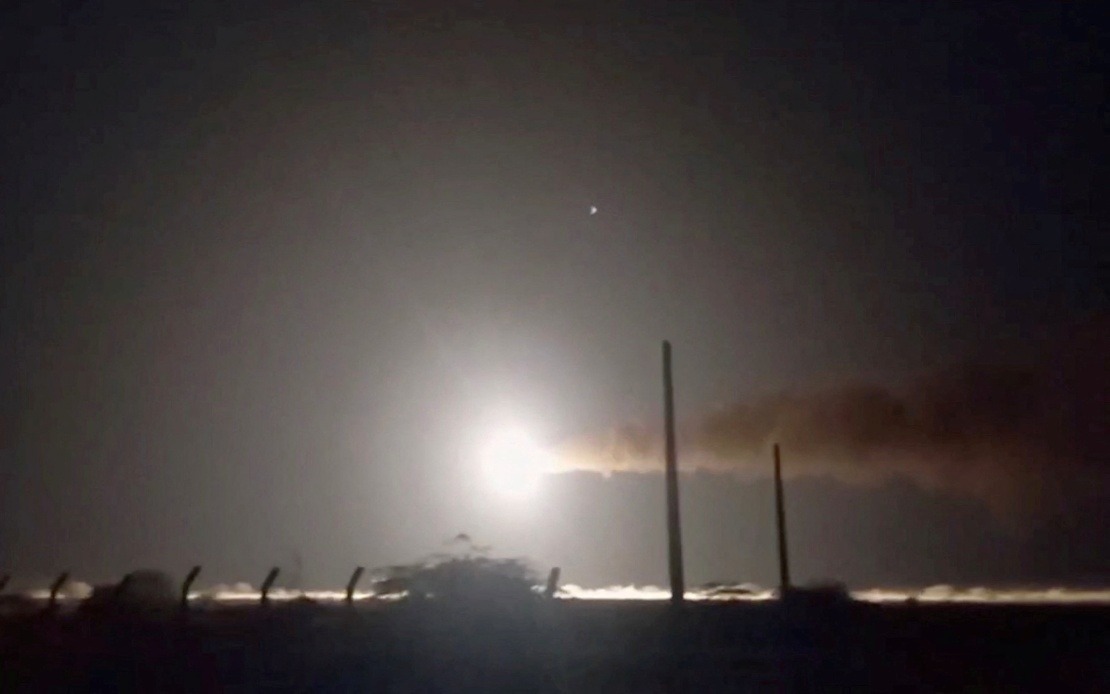
The United States military reported significant casualties following a coordinated Iranian strike against American forces positioned in Jordan on July 17. According to the US Central Command, two service members were killed in action as they participated in defensive operations alongside allied forces responding to the assault. The incident marks a direct exchange of fire between American and Iranian military capabilities in the Middle Eastern nation, a development with potentially far-reaching implications for regional stability.
Iranian forces deployed both ballistic missiles and drone systems in the offensive, demonstrating a multi-layered attack strategy. Such coordinated operations represent a significant escalation in the proxy warfare dynamic that has characterised US-Iran relations across the Middle East. The use of ballistic missiles alongside unmanned aerial vehicles reflects advanced military planning and suggests the strike was deliberate rather than opportunistic, indicating deepening tensions in a region already fractured by competing geopolitical interests.
Beyond the two confirmed deaths, one American service member remained unaccounted for as of the CENTCOM statement released Saturday. The circumstances surrounding the missing personnel—whether captured, injured and separated from unit, or deceased—remain unclear. Military officials have withheld specific details pending next-of-kin notifications, a protocol that underscores the gravity of the situation and the human dimension often obscured in geopolitical reporting.
The medical response to the incident involved the evacuation of four additional service members to Jordanian hospitals. Though seriously wounded enough to require medical transport and hospitalisation, all four were subsequently discharged, indicating their injuries, while significant enough to warrant evacuation, did not result in long-term incapacity. Additional personnel sustained minor injuries but remained operational, allowing them to return immediately to their duties without requiring hospital admission or extended recovery periods.
Jordan's role as a host to US military personnel and installations has transformed it into a critical staging ground for American operations across the Levant and Iraq. The country maintains a delicate balance between hosting Western military assets and maintaining its own diplomatic relations with neighbouring states. An Iranian attack on Jordanian soil—even one specifically targeting American forces—nevertheless constitutes a violation of Jordanian sovereignty and could complicate Amman's regional positioning.
For Malaysian readers and regional observers, the incident underscores the volatile security environment that characterises the broader Middle East. Southeast Asian nations, while geographically distant from this conflict, maintain significant economic interests in Middle Eastern stability. Disruptions to regional order, including escalating military exchanges, risk affecting energy supplies, maritime commerce routes, and the overall international security architecture upon which global trade depends.
The timing and nature of the Iranian attack suggest it may have been triggered by earlier American military actions or as part of a broader cycle of regional escalation. Iranian military doctrine has evolved considerably, and the integration of ballistic missile and drone capabilities represents a maturation of Tehran's asymmetric warfare capabilities. The coordination between these systems indicates professional military planning rather than hasty retaliation.
CENTCOM's statement emphasised the defensive posture adopted by American personnel, framing the engagement as a response to Iranian aggression rather than American provocation. This characterisation shapes the narrative surrounding the incident, though the underlying drivers of Iranian decision-making remain subject to interpretation and debate among regional analysts. Understanding whether this represents a one-off response or the beginning of an escalation spiral remains critical for assessing medium-term Middle Eastern stability.
The withholding of casualty details until next-of-kin notification reflects military protocol respecting the dignity of fallen personnel and their families. However, it also temporarily constrains public understanding of the incident's full scope and severity. The eventual release of information regarding the two killed service members and clarification on the missing individual will likely contribute to broader public discourse about American military deployments in the Middle East and the associated risks.
Jordan's geographical position has made it an essential partner for US Middle Eastern operations for decades. The presence of American military personnel and installations there reflects both historical alliance patterns and contemporary strategic calculations regarding regional security. However, such deployments inevitably expose both host-nation populations and foreign military personnel to the risks inherent in Middle Eastern geopolitical competition. The July 17 attack demonstrates those risks in stark terms.
The incident occurs against a backdrop of broader US-Iran tensions that have defined Middle Eastern relations since Iran's 1979 Islamic Revolution. While direct military clashes remain relatively rare, proxy conflicts, drone strikes, and cyber operations have characterised the competition between these powers. The Jordan attack represents a notably direct form of engagement, raising questions about whether established red lines and strategic guardrails remain effective.
For American military planners, the incident necessitates careful reassessment of defensive capabilities and deployment strategies across the Middle East. For Iranian decision-makers, the operation signals willingness to challenge American military presence in the region directly. For regional states like Jordan, such conflicts highlight the complexities of hosting foreign military forces while maintaining broader regional relationships and stability.

